
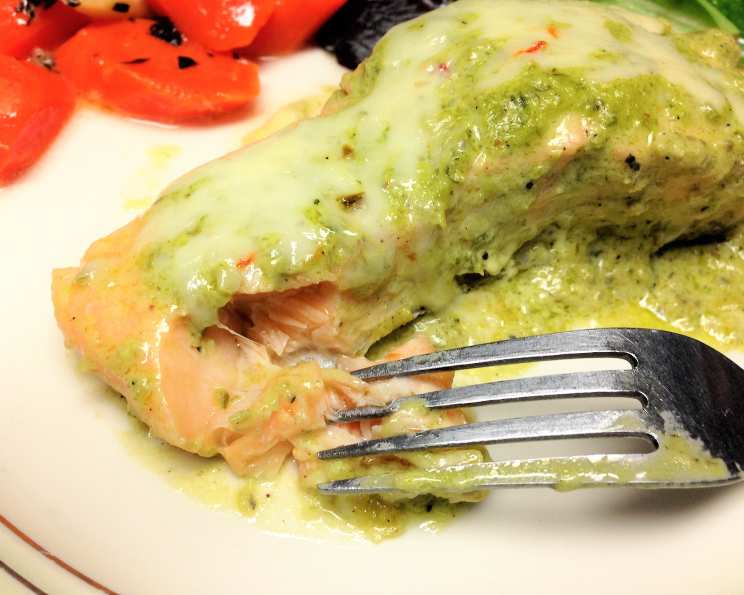
Snapper in a Poblano Chile Sauce: A Taste of Coastal Mexico
The scent of poblanos roasting over an open flame instantly transports me back to a small seaside restaurant in Puerto Vallarta. The air, thick with humidity and the promise of a coming storm, couldn’t mask the intoxicating aroma of chiles and seafood mingling together. The simple, yet profound, dish of delicately cooked snapper bathed in a creamy, smoky poblano sauce was a revelation. It was more than just a meal; it was an experience, a memory etched in my culinary soul that I’ve strived to recreate ever since.
Recipe Overview
- Prep Time: 20 minutes
- Cook Time: 25 minutes
- Total Time: 45 minutes
- Servings: 6
- Dietary Type: Gluten-Free
Ingredients
- 6 fish fillets (red snapper, sea bass, grouper, tilapia, or mahi-mahi – 6 oz. each)
- 2 garlic cloves, finely chopped
- 1 lime, juiced (2-3 tbsp.)
- ½ teaspoon kosher salt
- ½ teaspoon fresh ground black pepper
- 1 cup Mexican crema (creme fraiche or heavy cream)
- 1 cup milk
- 2 poblano chiles
- 2 tablespoons unsalted butter
- 1 tablespoon all-purpose flour
- ½ teaspoon nutmeg, grated
- 1 cup Monterey Jack cheese, shredded (or cheese of your choice)
Equipment Needed
- Blender
- Saucepan
- Baking dish
- Knife
- Cutting board
- Container for marinating fish
Instructions
-
Begin by preparing the fish. Rinse the fish fillets under a thin stream of cold water. Drain the fillets well and pat them dry with paper towels. This helps ensure the fish browns nicely and the sauce adheres properly.
-
In a container, place the fish fillets and drizzle with the lime juice, garlic, salt, and pepper. Gently turn the fillets to coat them evenly. This simple marinade infuses the fish with bright, savory flavors.
-
Let the fish marinate for at least 15 minutes, or up to 2 hours in the refrigerator. This allows the flavors to penetrate the fish without making it mushy.
-
While the fish marinates, prepare the poblanos. Slice the poblano chiles in half lengthwise, removing the stems, seeds, and veins. Removing the seeds and veins will reduce the heat level of the dish, allowing the poblano’s unique flavor to shine.
-
Roughly chop the cleaned poblanos and place them in a blender along with the milk. Blend until the mixture is completely smooth. The milk helps create a creamy base for the sauce and aids in blending the chiles effectively.
-
In a saucepan over medium heat, melt the butter. Once melted, add the flour to the pan and whisk constantly to create a roux. The roux is the thickening agent for the sauce.
-
Continue to cook the roux, stirring constantly, until it becomes nice and foamy and turns a light golden color, about 2-3 minutes. Be careful not to burn the roux, as this will impart a bitter flavor to the sauce.
-
Gradually add the chile puree to the roux, whisking constantly to prevent lumps from forming. Once the puree is fully incorporated, add the Mexican crema and nutmeg.
-
Reduce the heat to low and cook the sauce, stirring occasionally, until it thickens to your desired consistency, about 10-12 minutes. Season the sauce with salt and pepper to taste. The nutmeg adds a subtle warmth and complexity to the sauce that complements the smoky poblanos beautifully.
-
Preheat your oven to 375 degrees F (190 degrees C).
-
Lightly butter the bottom of a baking dish to prevent the fish from sticking.
-
Remove the fish from the marinade and place the fillets in the prepared baking dish. Discard the marinade.
-
Generously cover the fish with the poblano sauce, ensuring each fillet is evenly coated.
-
If desired, sprinkle the shredded Monterey Jack cheese (or your cheese of choice) evenly over the top of the sauce. The cheese adds a creamy, melty layer of richness to the dish.
-
Bake in the preheated oven until the fish is cooked through and flakes easily with a fork, about 15-20 minutes, depending on the thickness of the fillets. Be careful not to overcook the fish, as it will become dry and tough.
Expert Tips & Tricks
- Roast the Poblanos: For a deeper, smokier flavor, roast the poblanos under a broiler or over an open flame until the skins are blackened. Place them in a plastic bag to steam for 10 minutes, then peel off the skins before blending.
- Spice It Up: If you prefer a spicier dish, leave some of the seeds and veins in the poblanos, or add a pinch of cayenne pepper to the sauce.
- Make Ahead: The poblano sauce can be made up to 2 days in advance and stored in the refrigerator. Simply reheat gently before using.
- Ingredient Swap: If you can’t find Mexican crema, sour cream is a good substitute.
- Don’t Overcook: The biggest mistake is overcooking the fish. Test for doneness by gently flaking the fish with a fork. It should be opaque and moist.
- Cheese Choice: Experiment with different cheeses! Queso Oaxaca, Asadero, or even a mild cheddar would be delicious.
Serving & Storage Suggestions
Serve the Snapper in Poblano Chile Sauce immediately after baking. Garnish with fresh cilantro, a squeeze of lime, or a dollop of sour cream for an extra touch of freshness. This dish pairs perfectly with Mexican rice, black beans, and warm tortillas for a complete and satisfying meal.
Leftovers can be stored in an airtight container in the refrigerator for up to 3 days. To reheat, gently warm in a microwave or oven until heated through. Avoid overheating, as this can dry out the fish. Freezing is not recommended, as the texture of the fish and sauce may change.
Nutritional Information
| Nutrient | Amount per Serving | % Daily Value |
|---|---|---|
| Calories | 380 kcal | 19% |
| Total Fat | 18g | 28% |
| Saturated Fat | 9g | 45% |
| Cholesterol | 140mg | 47% |
| Sodium | 500mg | 21% |
| Total Carbohydrate | 8g | 3% |
| Dietary Fiber | 1g | 4% |
| Sugars | 2g | – |
| Protein | 50g | 100% |
Variations & Substitutions
- Dairy-Free: Substitute the Mexican crema and milk with coconut cream and almond milk for a dairy-free version. You may need to adjust the seasoning slightly.
- Vegan: Use tofu fillets instead of fish and follow the dairy-free substitutions above.
- Spicier Sauce: Add a jalapeño or serrano pepper to the blender with the poblanos for extra heat.
- Different Fish: This recipe works well with other types of fish, such as cod, halibut, or swordfish. Adjust the cooking time accordingly.
- Vegetarian Option: Use roasted cauliflower steaks instead of fish for a hearty vegetarian alternative.
FAQs (Frequently Asked Questions)
Q: Can I use dried poblano chiles for this recipe?
A: While fresh poblanos are preferred for their flavor and texture, you can use dried poblano chiles (ancho chiles) in a pinch. Rehydrate them in hot water before blending. The flavor will be slightly different, but still delicious.
Q: How do I prevent the sauce from being too spicy?
A: Removing all the seeds and veins from the poblano chiles will significantly reduce the heat level. You can also add a little extra milk or crema to the sauce to mellow the flavors.
Q: Can I grill the fish instead of baking it?
A: Absolutely! Grilling the fish will add a smoky flavor that complements the poblano sauce beautifully. Just be sure to watch it carefully to prevent it from drying out.
Q: What is Mexican crema, and can I substitute it?
A: Mexican crema is similar to crème fraîche. It has a slightly tangy and rich flavor. If you can’t find it, crème fraîche or heavy cream are good substitutes.
Q: How do I know when the fish is cooked through?
A: The fish is done when it flakes easily with a fork and the internal temperature reaches 145°F (63°C). Be careful not to overcook it, as it will become dry.
Final Thoughts
This Snapper in Poblano Chile Sauce is a dish that’s both comforting and elegant, perfect for a weeknight dinner or a special occasion. It’s a testament to the simple yet profound flavors of Mexican cuisine. Don’t be intimidated by the ingredients; the process is straightforward, and the results are well worth the effort. I encourage you to try this recipe and experience the magic for yourself. Feel free to experiment with the variations and substitutions to make it your own. And please, let me know what you think! Share your creations and feedback, and perhaps pair it with a crisp Sauvignon Blanc to complete the experience. ¡Buen provecho!