
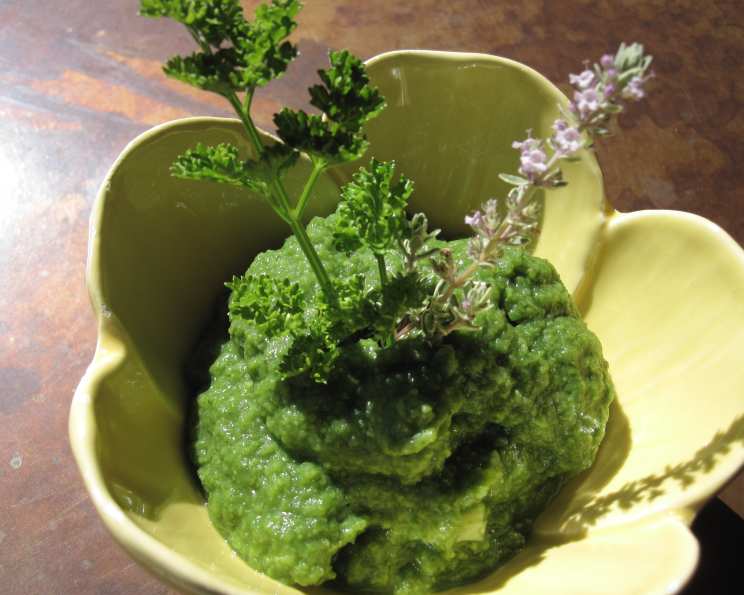
The Sneaky Chef’s Secret Weapon: Make-Ahead Green Puree
I remember the first time I tried hiding vegetables in my kids’ food. It wasn’t pretty! Chopped broccoli painstakingly minced into their mac and cheese, only to be met with suspicious stares and, ultimately, rejected plates. Determined, I turned to pureeing – a tactic that transformed mealtime from a battleground to a blissful (and healthy!) experience. Now, a vibrant green puree is my go-to trick for boosting nutrients without the fuss.
Recipe Overview
- Prep Time: 10 minutes
- Cook Time: 15 minutes
- Total Time: 25 minutes
- Yields: 2 cups
- Dietary Type: Vegetarian, Vegan, Gluten-Free, Dairy-Free, Paleo, Whole30 (depending on applications)
Ingredients
- 2 cups raw baby spinach leaves
- 2 cups broccoli florets (fresh or frozen)
- 1 cup sweet peas, frozen
- 2-3 tablespoons water
Equipment Needed
- Pot with tight-fitting lid (for stovetop method)
- Vegetable steamer basket (for stovetop method)
- Microwave-safe bowl (for microwave method)
- Food processor
Instructions
-
First, ensure that your spinach is thoroughly cleaned. Even if the packaging states it is pre-washed, it’s best to give it a good rinse. Raw baby spinach is preferred for its milder flavor; however, if you absolutely must use frozen spinach, reduce the quantity to 1 cup.
-
Next, choose your cooking method: stovetop or microwave.
-
Stovetop Method: Pour approximately 2 inches of water into a pot fitted with a tight-fitting lid. Place a vegetable steamer basket inside the pot. Add the spinach and broccoli florets to the basket. Steam for about 10 minutes, or until the vegetables are very tender. Add the frozen peas to the basket during the last 2 minutes of steaming. Drain the cooked vegetables thoroughly.
-
Microwave Method: Place the broccoli and spinach in a microwave-safe bowl, cover with water, and microwave on high for 8 to 10 minutes, or until very tender. Add the peas for the last 2 minutes of cooking. Drain well.
-
-
Once the vegetables are cooked and drained, transfer them to the bowl of your food processor. Add 2 tablespoons of water.
-
Puree the mixture on high speed until it reaches a smooth consistency. You may need to stop the food processor occasionally to scrape down the sides and push the contents toward the bottom.
-
If the puree seems too thick or is not blending smoothly, add the remaining 1 tablespoon of water to help achieve the desired consistency.
-
The recipe yields approximately 2 cups of puree. If you desire a larger quantity, simply double the ingredients to create another 2 cups.
-
Store the finished puree in the refrigerator for up to 3 days. Alternatively, freeze the puree in ¼-cup portions using sealed plastic bags or small plastic containers for longer storage.
Expert Tips & Tricks
- Don’t overcook: Overcooked vegetables can become mushy and develop a less appealing flavor. Aim for tender-crisp texture.
- Dry is key: Thoroughly drain the cooked vegetables before pureeing. Excess water will result in a watery puree.
- Adjust the water: The amount of water needed may vary depending on the moisture content of your vegetables. Start with the minimum amount and add more gradually as needed.
- For picky eaters: For maximum camouflage, ensure the puree is as smooth as possible. A high-powered blender can achieve an even smoother texture.
- Ice bath: After steaming/microwaving, shocking the vegetables in an ice bath briefly stops the cooking process and helps preserve their vibrant green color.
Serving & Storage Suggestions
This versatile green puree can be incorporated into a wide variety of dishes. Add it to pasta sauces, soups, stews, smoothies, dips (like guacamole), mashed potatoes, scrambled eggs, or even baked goods for a nutritional boost.
For storage, the puree will keep in the refrigerator for up to 3 days. To freeze, portion it into ¼-cup servings in sealed plastic bags or small plastic containers. Properly frozen, the puree can last for up to 2 months. To thaw, simply transfer the desired portion to the refrigerator overnight or microwave it in short intervals until thawed.
Nutritional Information
| Nutrient | Amount per Serving (approx. ¼ cup) | % Daily Value* |
|---|---|---|
| Calories | 21 | 1% |
| Total Fat | 0.2g | 0% |
| Saturated Fat | 0g | 0% |
| Cholesterol | 0mg | 0% |
| Sodium | 11.7mg | 1% |
| Total Carbohydrate | 3.8g | 1% |
| Dietary Fiber | 1.1g | 4% |
| Sugars | 1.1g | – |
| Protein | 1.7g | 3% |
| Vitamin A | 765 IU | 15% |
| Vitamin C | 16.3mg | 27% |
| Calcium | 22.6mg | 2% |
| Iron | 0.4mg | 2% |
| Potassium | 117mg | 3% |
*Percent Daily Values are based on a 2,000 calorie diet. Your daily values may be higher or lower depending on your calorie needs.
Variations & Substitutions
- Add Herbs: Incorporate fresh herbs like basil, parsley, or cilantro for added flavor.
- Spice It Up: A pinch of garlic powder, onion powder, or red pepper flakes can add a subtle kick.
- Different Greens: Experiment with other leafy greens like kale or chard.
- Root Vegetables: Blend in cooked carrots, sweet potatoes, or butternut squash for added sweetness and nutrients.
- Cauliflower Power: Replace some of the broccoli with steamed cauliflower for a milder flavor.
- Lemon Zest: A touch of lemon zest brightens the flavor and adds a citrusy note.
FAQs (Frequently Asked Questions)
Q: Can I use frozen spinach instead of fresh?
A: While fresh spinach is preferred for its milder flavor, you can use frozen spinach. Reduce the amount to 1 cup to prevent the puree from becoming too strong in flavor. Make sure to thaw and squeeze out any excess water before using.
Q: My puree is too watery. How can I fix it?
A: If the puree is too watery, try simmering it in a saucepan over low heat for a few minutes to evaporate some of the excess moisture. Stir frequently to prevent burning.
Q: Can I freeze the puree in ice cube trays?
A: Yes, freezing the puree in ice cube trays is a great way to create small, convenient portions for individual servings or recipes. Once frozen, transfer the cubes to a freezer bag for longer storage.
Q: My food processor isn’t very powerful. Will that be a problem?
A: A less powerful food processor may require more time and patience. Chop the vegetables into smaller pieces before adding them to the processor, and add the water gradually to help facilitate blending. You might also need to scrape down the sides more frequently.
Q: How can I ensure the puree has a vibrant green color?
A: Avoid overcooking the vegetables, and consider shocking them in an ice bath after steaming or microwaving to preserve their color.
Final Thoughts
This sneaky green puree is more than just a way to add hidden vegetables to your diet; it’s a culinary chameleon that can transform ordinary dishes into nutrient-packed powerhouses. Don’t be afraid to experiment with different variations and incorporate it into your favorite recipes. Embrace the power of purees, and watch your family (and your body) reap the benefits! I hope this recipe inspires you to get creative in the kitchen and enjoy the deliciousness of healthy eating. I’d love to hear how you use it!