
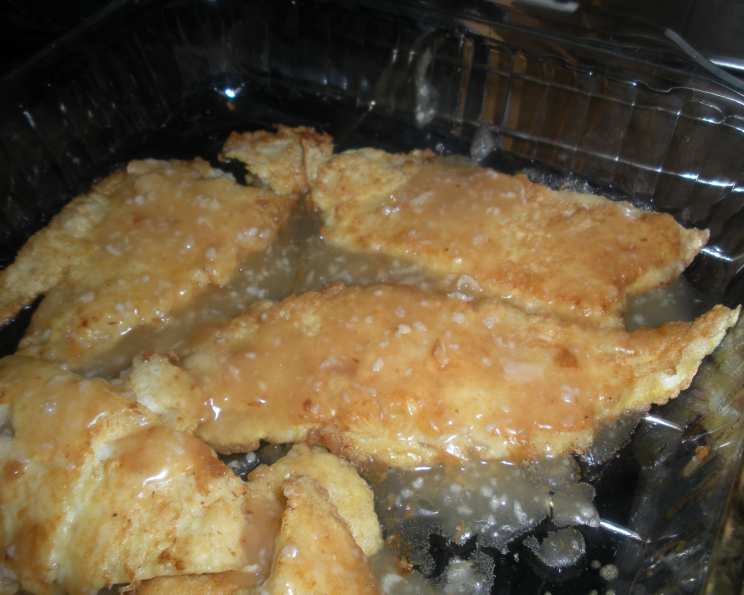
Sole Francese: A Delicate Dance of Flavors
The first time I tasted Sole Francese, I was at a tiny trattoria tucked away on a cobblestone street in Rome. The air hung thick with the aroma of garlic and simmering tomatoes, and the sounds of laughter and clinking glasses filled the room. The waiter, a charming man with twinkling eyes, placed the dish before me: delicate fillets of sole, glistening in a lemon-butter sauce, a scattering of fresh parsley as the final touch. One bite, and I was transported. The tender fish, the bright citrus, the subtle richness of the sauce – it was pure magic, a simple dish elevated to something extraordinary. It instantly became a favorite, a culinary memory I cherish and recreate whenever I crave a taste of that Roman holiday.
Recipe Overview
- Prep Time: 10 minutes
- Cook Time: 10 minutes
- Total Time: 20 minutes
- Servings: 4
- Dietary Type: Pescatarian
Ingredients
- 1 lb sole (dover sole is nice…real thin)
- ½ cup flour
- 3 large eggs
- 6 tablespoons parmesan cheese
- ½ teaspoon salt
- 2 tablespoons olive oil
- 2 tablespoons butter
- 1 large lemon
- ½ cup marsala wine
- 1 clove garlic, crushed
- 1 tablespoon cornstarch
Equipment Needed
- Non-stick skillet
- Oven-safe platter
- Whisk
- Shallow dishes for dredging
Instructions
- Preheat your oven to 300 degrees Fahrenheit. This low temperature will keep the cooked sole warm without drying it out while you finish cooking the rest.
- In a large non-stick skillet, heat the olive oil and butter over medium-high heat. Make sure the pan is properly heated before adding the fish; this helps to achieve that beautiful golden-brown crust.
- Place the flour in a shallow dish. This is for dredging the sole. Make sure to spread it evenly for a light and consistent coating.
- In a separate shallow dish, whisk together the eggs, parmesan cheese, and salt. This creates the savory egg batter that will cling to the floured sole, providing the foundation for the Francese crust.
- Dredge each sole fillet in the flour, making sure to coat it evenly on both sides. Shake off any excess flour.
- Dip the floured sole into the egg batter, ensuring it’s fully coated. Let any excess batter drip off before placing it in the hot pan.
- Carefully place the batter-coated sole fillets in the hot pan, working in batches to avoid overcrowding. Overcrowding the pan will lower the temperature and result in steamed, rather than browned, fish.
- Cook the sole until it’s nicely browned, about 1 ½ minutes per side. The exact cooking time will depend on the thickness of the fillets and the heat of your pan. Look for a deep golden-brown color and a slightly crisp texture.
- Remove the cooked sole to an oven-safe platter and place it in the preheated oven to keep warm while you cook the remaining fillets.
- Repeat the cooking process, adding more olive oil and butter to the pan as needed to maintain a sufficient cooking temperature and prevent sticking.
- Once all the sole is cooked, it’s time to make the sauce. To the same pan (without cleaning it), add the juice of the lemon, the crushed garlic, marsala wine, and cornstarch.
- Stir the mixture constantly until it thickens into a luscious sauce. The cornstarch is crucial for achieving the right consistency. Be sure to whisk it in well to avoid lumps.
- Pour the sauce over the sole fillets on the platter. Cut the remaining lemon into wedges and sprinkle them over the sole for an extra burst of citrus flavor.
Expert Tips & Tricks
- Pound the Sole: For thinner, more evenly cooked fillets, gently pound the sole between two sheets of plastic wrap before dredging. This will also help tenderize the fish.
- Use Clarified Butter: Swap regular butter for clarified butter. Clarified butter has a higher smoke point, preventing it from burning and adding a richer, nutty flavor to the dish.
- Don’t Overcook: Sole is a delicate fish that can quickly become dry if overcooked. Err on the side of caution and check for doneness frequently. The fish should be opaque and flake easily with a fork.
- Deglaze with White Wine: If you don’t have Marsala wine on hand, a dry white wine like Pinot Grigio or Sauvignon Blanc can be used as a substitute for deglazing the pan.
- Infuse the Oil: Before cooking the sole, infuse the olive oil with a clove of garlic for an extra layer of flavor. Remove the garlic before adding the fish.
Serving & Storage Suggestions
Sole Francese is best served immediately while the fish is tender and the sauce is vibrant. It pairs beautifully with a side of buttered pasta, such as linguine or fettuccine, to soak up the delicious sauce. A simple green salad with a light vinaigrette provides a refreshing contrast to the richness of the dish.
Leftovers can be stored in an airtight container in the refrigerator for up to 2 days. To reheat, gently warm the fish in a skillet over low heat with a little extra butter or olive oil, or microwave in short intervals to prevent overcooking. The sauce may thicken upon refrigeration; add a splash of water or broth to thin it out if needed. Freezing is not recommended, as the texture of the fish can become compromised.
Nutritional Information
| Nutrient | Amount per Serving | % Daily Value |
|---|---|---|
| Calories | 496.6 kcal | N/A |
| Calories from Fat | 179 g | 36% |
| Total Fat | 20 g | 30% |
| Saturated Fat | 7.4 g | 37% |
| Cholesterol | 235 mg | 78% |
| Sodium | 599.7 mg | 24% |
| Total Carbohydrate | 21.5 g | 7% |
| Dietary Fiber | 1.7 g | 6% |
| Sugars | 1.6 g | 6% |
| Protein | 31.1 g | 62% |
Variations & Substitutions
- Gluten-Free: Substitute the all-purpose flour with a gluten-free blend for a gluten-free version.
- Dairy-Free: Omit the parmesan cheese from the egg batter and use a dairy-free butter substitute.
- Herb Infusion: Add fresh herbs like parsley, thyme, or chives to the egg batter for added flavor and aroma.
- Spicy Kick: Add a pinch of red pepper flakes to the sauce for a touch of heat.
- Vegetarian: Use thick slices of halloumi cheese instead of sole for a vegetarian option. Coat and cook as directed.
FAQs (Frequently Asked Questions)
Q: Can I use a different type of fish?
A: While sole is traditional, other delicate white fish like flounder, cod, or tilapia can be used as substitutes. Adjust cooking time accordingly.
Q: Can I make this dish ahead of time?
A: It’s best to serve Sole Francese immediately after cooking for the best texture. However, you can prepare the egg batter and dredge the fish ahead of time and keep it refrigerated until ready to cook.
Q: How do I know when the sole is cooked through?
A: The sole is cooked through when it flakes easily with a fork and is opaque throughout. Avoid overcooking, as it can become dry.
Q: Can I use regular wine instead of Marsala?
A: While Marsala wine adds a unique sweetness and depth to the sauce, you can substitute it with a dry white wine like Pinot Grigio or Sauvignon Blanc in a pinch.
Q: What should I do if my sauce is too thin?
A: If your sauce isn’t thickening properly, whisk together an additional half-teaspoon of cornstarch with a tablespoon of cold water and add it to the sauce while stirring constantly.
Final Thoughts
Sole Francese is more than just a recipe; it’s an experience. It’s a celebration of simple ingredients transformed into something elegant and unforgettable. I encourage you to try this recipe and share your own experiences. Whether you’re serving it for a romantic dinner or a casual weeknight meal, Sole Francese is sure to impress. Serve it with a crisp white wine, like a Pinot Grigio or Vermentino, and enjoy the journey of flavors. And most importantly, don’t be afraid to make it your own – experiment with herbs, spices, and garnishes to create a dish that reflects your personal taste.