
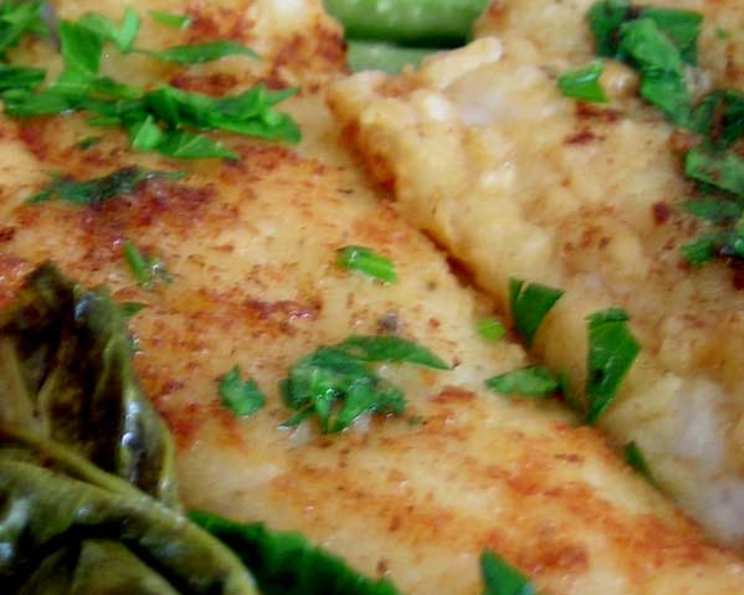
Sole Meuniere Paul Bocuse: A Timeless Classic
The aroma of browned butter, the delicate crispness of perfectly cooked sole, a bright spritz of lemon – even now, decades later, it transports me back to a tiny Parisian bistro. I was a young, wide-eyed culinary student, and this simple dish, Sole Meuniere, was a revelation. It wasn’t just food; it was an experience, a testament to the power of pristine ingredients and impeccable technique. Each bite was a masterclass in balance and subtlety, a reminder that sometimes, the greatest dishes are born from the simplest ideas. And this recipe, inspired by the legendary Paul Bocuse, captures that magic perfectly.
Recipe Overview
- Prep Time: 5 minutes
- Cook Time: 8 minutes
- Total Time: 13 minutes
- Servings: 2
- Yield: 2 fillets
- Dietary Type: Pescatarian
Ingredients
- 14 ounces sole fillets
- Salt, to taste
- Pepper, to taste
- Olive oil, for drizzling
- Flour, for dusting
- 5 ½ tablespoons unsalted butter
- 1 tablespoon olive oil
- 1 lemon
- 2 teaspoons fresh parsley, chopped
Equipment Needed
- Large skillet (ideally non-stick or well-seasoned cast iron)
- Spatula
- Serving platter
Instructions
-
Begin by preparing the sole fillets. Pat them dry with paper towels. This is crucial for achieving a good sear. Season both sides generously with salt and pepper. Then, drizzle lightly with olive oil.
-
Place the flour in a shallow dish. Dredge each sole fillet thoroughly in the flour, ensuring it’s evenly coated on both sides. Shake off any excess flour. This helps create a beautiful crust.
-
Select a skillet that is roughly the same size as the fish fillets. Place the skillet over medium-high heat. Add 2 tablespoons of unsalted butter and 1 tablespoon of olive oil to the skillet. Allow the butter to melt completely and heat up. The mixture should be hot but not smoking.
-
Once the butter and oil mixture is very hot, carefully place the sole fillets into the skillet. The hot fat should immediately sear the fish. Be careful not to overcrowd the pan; cook in batches if necessary.
-
Reduce the heat slightly to prevent the butter from burning. Cook the sole for approximately 4-5 minutes on the first side. The fish should be golden brown and crispy. Avoid moving the fish around too much during this time to allow a proper crust to form.
-
Using a spatula, gently flip the sole fillets over. Continue cooking for about 4 minutes on the second side, or until the fish is cooked through and flakes easily with a fork. The internal temperature should reach 145°F (63°C).
-
While the sole is cooking, prepare the serving platter. Make sure the serving platter is warm, as this helps to keep the fish hot.
-
Once the sole is cooked, carefully transfer it to the warm serving platter.
-
Garnish the edges of the platter with thin slices of lemon, halved, with their skins cut in points for an elegant presentation.
-
Squeeze a few drops of fresh lemon juice onto the sole fillets. Sprinkle the chopped parsley over the fish.
-
In the same skillet used to cook the sole, add the remaining 3 ½ tablespoons of unsalted butter. Heat the butter over medium heat until it melts and begins to brown. Watch carefully to prevent it from burning; you want a nutty, fragrant brown butter.
-
Pour the browned butter directly over the sole fillets on the serving platter. The hot butter will sizzle and further cook the parsley, creating a slightly blanched, flavorful garnish.
-
Serve immediately and enjoy! Bon Appétit!
Expert Tips & Tricks
- Achieving the Perfect Sear: The key to Sole Meuniere is a beautiful golden-brown crust. Ensure the pan is hot enough before adding the fish, and don’t overcrowd the pan. Patting the fish dry before dredging in flour is also crucial.
- Don’t Overcook: Sole is a delicate fish, and it’s easy to overcook. Keep a close eye on it and cook just until it’s opaque and flakes easily.
- Browning the Butter: Be patient when browning the butter. It goes from perfectly golden to burnt very quickly. Watch it carefully and remove it from the heat as soon as it reaches the desired color.
- Lemon Zest: For an extra burst of lemon flavor, add a pinch of lemon zest to the flour before dredging the fish.
Serving & Storage Suggestions
Serve Sole Meuniere immediately for the best flavor and texture. It pairs beautifully with simple sides like steamed green beans, roasted asparagus, or a light salad. A crisp, dry white wine, such as a Sancerre or Sauvignon Blanc, is the perfect accompaniment.
Leftovers can be stored in an airtight container in the refrigerator for up to 24 hours. Reheat gently in a skillet over low heat or in a preheated oven at 300°F (150°C) until warmed through. Be careful not to overcook the fish when reheating. While freezing is not recommended (as it can affect the texture), it is better to consume sooner rather than later.
Nutritional Information
| Nutrient | Amount per Serving | % Daily Value |
|---|---|---|
| Calories | 531.7 kcal | N/A |
| Calories from Fat | 368 g | 69% |
| Total Fat | 41 g | 63% |
| Saturated Fat | 21.6 g | 107% |
| Cholesterol | 179.3 mg | 59% |
| Sodium | 167.7 mg | 6% |
| Total Carbohydrate | 5.9 g | 1% |
| Dietary Fiber | 2.6 g | 10% |
| Sugars | 0 g | 0% |
| Protein | 38.4 g | 76% |
Note: Nutritional information is an estimate and may vary based on specific ingredients and cooking methods.
Variations & Substitutions
- Gluten-Free: Substitute all-purpose flour with a gluten-free flour blend. Almond flour also works well, adding a nutty flavor.
- Different Fish: While Sole Meuniere is traditionally made with sole, other delicate white fish like flounder, cod, or whiting can be used as substitutes.
- Herb Variations: Experiment with different herbs besides parsley. Try chives, tarragon, or dill for a unique twist.
- Brown Butter Enhancements: Infuse the brown butter with a clove of garlic or a sprig of thyme for added depth of flavor.
FAQs (Frequently Asked Questions)
Q: What type of sole is best for Sole Meuniere?
A: Dover sole is considered the gold standard for its delicate flavor and texture, but other types of sole, such as lemon sole or grey sole, can also be used.
Q: Can I use salted butter instead of unsalted?
A: While you can use salted butter, it’s best to use unsalted butter to control the amount of salt in the dish. If using salted butter, reduce the amount of salt you add to the fish.
Q: How do I know when the sole is cooked through?
A: The sole is cooked through when it is opaque and flakes easily with a fork. The internal temperature should reach 145°F (63°C).
Q: What if the butter starts to burn while browning?
A: If the butter starts to burn, immediately remove the pan from the heat and add a tablespoon of cold butter to stop the cooking process. Then, pour the browned butter through a fine-mesh sieve to remove any burnt bits.
Q: Can I prepare the sole ahead of time?
A: It’s best to cook Sole Meuniere fresh, as the fish can become dry and the crust can lose its crispness if prepared in advance. However, you can prepare the ingredients ahead of time by patting the fish dry, seasoning it, and dredging it in flour.
Final Thoughts
Sole Meuniere Paul Bocuse is more than just a recipe; it’s an invitation to experience the magic of simple elegance. It’s a reminder that the best dishes are often the ones that celebrate the natural flavors of high-quality ingredients. So, gather your ingredients, take your time, and savor the process. I encourage you to try this recipe and share your feedback! Pair it with a chilled glass of white wine and transport yourself to a charming Parisian bistro, even if just for one delicious meal. Bon appétit!