
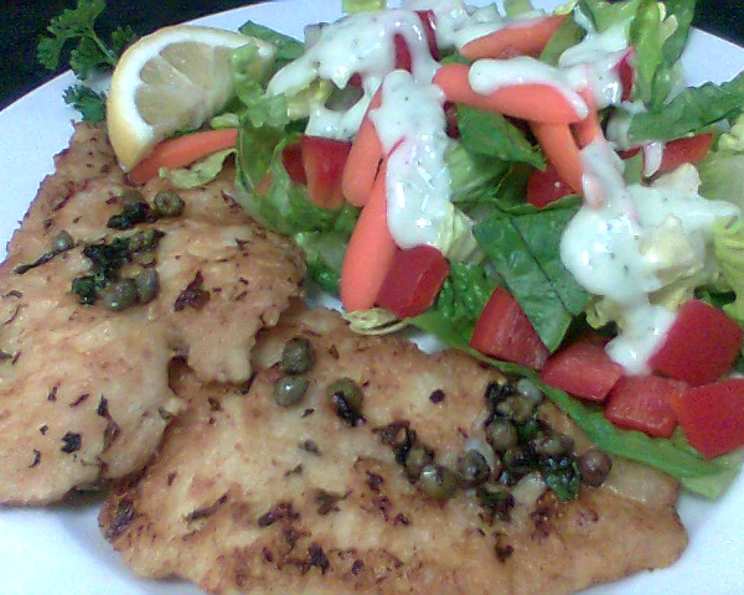
Sole With Lemon and Capers – Bonnie Stern: A Culinary Revelation
The first time I tasted sole with lemon and capers, it was a revelation. I was a young culinary student, overwhelmed by complex sauces and intricate techniques. Then, this dish appeared – simple, elegant, and bursting with flavor. The delicate fish, kissed with lemon’s brightness and punctuated by the salty tang of capers, was a symphony of textures and tastes. It taught me a fundamental lesson: that sometimes, the greatest culinary experiences come from the most understated recipes. This Bonnie Stern version captures that essence perfectly.
Recipe Overview
- Prep Time: 10 minutes
- Cook Time: 10 minutes
- Total Time: 20 minutes
- Servings: 4
- Dietary Type: Pescatarian
Ingredients
- 4 sole fillets
- Salt, to taste
- Freshly ground black pepper, to taste
- 2 eggs, beaten
- 1/2 cup flour
- 3 tablespoons olive oil or 3 tablespoons butter (or a mixture)
- 1/3 cup lemon juice, freshly squeezed
- 2 tablespoons capers, rinsed
- 1/4 teaspoon freshly ground black pepper
- 1/4 cup fresh parsley, chopped
Equipment Needed
- Large skillet
- Shallow dishes or plates for dredging
- Whisk or fork for beating eggs
- Paper towels
Instructions
- Begin by gently rinsing the sole fillets under cold water. Pat them completely dry with paper towels. This step is crucial for achieving a good sear.
- Season the dried fillets lightly with salt and freshly ground black pepper. Be mindful not to over-salt, as the capers will contribute additional saltiness.
- Prepare your dredging station. Place the flour in one shallow dish or plate. In a separate dish, thoroughly beat the eggs with a whisk or fork until light and frothy.
- Dredge each fillet in the flour, ensuring it’s evenly coated on both sides. Shake off any excess flour. This creates a barrier that helps the fish brown beautifully and prevents it from sticking to the pan.
- Next, dip the floured fillet into the beaten egg, making sure it’s completely submerged. Allow the excess egg to drip off.
- Now, re-dredge the fillet in the flour, again coating it evenly. This double coating creates a lovely, slightly crispy crust.
- Heat the olive oil (or butter, or a mixture of both) in a large skillet over medium-high heat. Allow the oil to get hot, but not smoking. If using butter, be careful not to let it burn.
- Carefully place the floured and egged fillets into the hot skillet. Ensure there’s enough space between the fillets; if not, cook them in batches.
- Cook the fish for approximately 3 minutes on each side, or until golden brown and cooked through. The exact cooking time will depend on the thickness of the fillets. You’ll know they’re done when the fish is opaque and flakes easily with a fork.
- Remove the cooked fillets from the skillet and place them on a plate. Keep them warm while you prepare the sauce. You can cover the plate loosely with foil.
- Drain any excess oil from the skillet, leaving only a thin coating.
- Return the skillet to the heat and add the lemon juice and rinsed capers.
- Deglaze the pan, scraping up any browned bits from the bottom of the skillet with a spatula. These browned bits, called fond, are packed with flavor and will enhance the sauce. Simmer for about a minute, allowing the lemon juice to reduce slightly.
- Remove the skillet from the heat. Add the remaining 1/4 teaspoon of freshly ground black pepper and the chopped fresh parsley. Stir to combine.
- Pour the lemon-caper sauce generously over the sole fillets and serve immediately.
Expert Tips & Tricks
- For extra crispy fillets: After the final dredging in flour, let the fillets rest on a wire rack for about 10 minutes before cooking. This allows the coating to adhere better and creates a crispier crust.
- Don’t overcrowd the pan: Cooking the fish in batches ensures even browning and prevents the temperature of the oil from dropping too low.
- Use clarified butter: If using butter, consider using clarified butter (ghee) to prevent it from burning at higher temperatures.
- Adjust lemon juice to taste: Taste the sauce before pouring it over the fish and adjust the amount of lemon juice to your liking.
- Add a touch of white wine: For a richer sauce, deglaze the pan with a splash of dry white wine before adding the lemon juice.
Serving & Storage Suggestions
Serve this sole with lemon and capers immediately for the best flavor and texture. It pairs beautifully with steamed asparagus, roasted potatoes, or a simple green salad. Garnish with a lemon wedge and a sprig of fresh parsley for an elegant presentation.
Leftovers can be stored in an airtight container in the refrigerator for up to 2 days. To reheat, gently warm the fish in a skillet over low heat or in a preheated oven at 300°F (150°C) until heated through. Be careful not to overcook the fish, as it can become dry. The sauce can also be reheated separately in a saucepan. I don’t recommend freezing, as the fish can become mushy.
Nutritional Information
| Nutrient | Amount per Serving | % Daily Value |
|---|---|---|
| Calories | 303 kcal | N/A |
| Calories from Fat | 143 kcal | N/A |
| Total Fat | 15.9 g | 24% |
| Saturated Fat | 3 g | 14% |
| Cholesterol | 166.3 mg | 55% |
| Sodium | 648.3 mg | 27% |
| Total Carbohydrate | 14 g | 4% |
| Dietary Fiber | 0.8 g | 3% |
| Sugars | 0.7 g | 2% |
| Protein | 25.3 g | 50% |
Note: Nutritional information is an estimate and may vary based on specific ingredients and preparation methods.
Variations & Substitutions
- Other Fish: If sole isn’t available, you can substitute it with other delicate white fish such as flounder, cod, or haddock. Adjust the cooking time as needed based on the thickness of the fillets.
- Gluten-Free: Use gluten-free flour for dredging to make this dish gluten-free. A blend of rice flour and tapioca starch works well.
- Herb Variations: Experiment with different herbs such as dill, chives, or tarragon in place of parsley.
- Spice It Up: Add a pinch of red pepper flakes to the sauce for a touch of heat.
- Dairy-Free: Ensure you are using olive oil instead of butter.
FAQs (Frequently Asked Questions)
Q: Can I use dried parsley instead of fresh?
A: While fresh parsley provides the best flavor and vibrancy, you can use dried parsley in a pinch. Use about 1 teaspoon of dried parsley for every 1/4 cup of fresh parsley.
Q: How do I know when the fish is cooked through?
A: The fish is cooked through when it’s opaque and flakes easily with a fork. The internal temperature should reach 145°F (63°C).
Q: Can I make this dish ahead of time?
A: It’s best to serve this dish immediately for the best flavor and texture. However, you can prepare the lemon-caper sauce ahead of time and reheat it before serving.
Q: What should I serve with this dish?
A: This sole with lemon and capers pairs well with a variety of sides, such as roasted vegetables, steamed rice, or a simple salad.
Q: Can I use salted or unsalted butter?
A: Either salted or unsalted butter can be used. If using salted butter, be sure to adjust the amount of salt added to the fish accordingly.
Final Thoughts
This Sole with Lemon and Capers recipe, inspired by Bonnie Stern, is a testament to the power of simplicity. It’s a dish that’s perfect for a quick weeknight meal or an elegant dinner party. The bright, zesty flavors and delicate texture of the fish are sure to impress. So, gather your ingredients, put on your apron, and prepare to experience a culinary delight! Don’t hesitate to experiment with variations and share your creations. Bon appétit!