
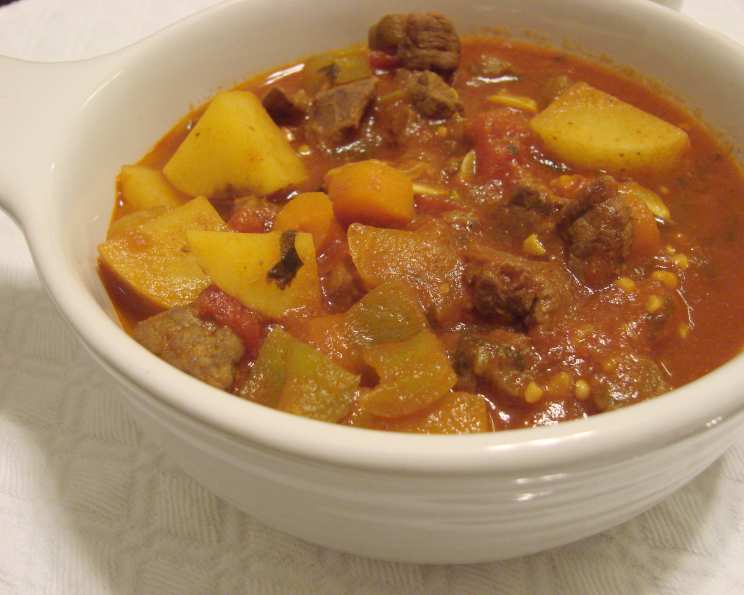
Somali Stew (Maraq): A Taste of Home
The aroma always hit me first – a complex blend of cumin, garlic, and something subtly sweet. My aunt Amina, a whirlwind of energy in the kitchen, would be stirring a massive pot, humming a Somali tune. This was Maraq, Somali stew, and for me, it wasn’t just food; it was a hug in a bowl, a taste of our heritage, and a comforting reminder of family gathered around a warm table, sharing stories and laughter late into the night. The tender beef, the melt-in-your-mouth vegetables, all swimming in a flavorful broth – it’s a dish that instantly transports me back to those cherished moments.
Recipe Overview
- Prep Time: 20 minutes
- Cook Time: 45 minutes
- Total Time: 1 hour 5 minutes
- Servings: 8
- Yield: About 8 cups
- Dietary Type: Can be made Gluten-Free and Dairy-Free
Ingredients
- 1 onion, chopped
- 1-2 tablespoons oil (vegetable, canola, or olive oil work well)
- 1 lb stewing beef, cubed
- 2 large tomatoes, chopped
- 1 cup squash, cubed (butternut or acorn squash are good options)
- 2-3 okra, sliced
- 3 carrots, sliced
- 6 ounces tomato paste
- 2 cups water, divided (or enough for stew consistency)
- 1 large potato, cubed
- 1 large green pepper, chopped
- 1 tablespoon salt
- 1 tablespoon ground cumin
- 2-3 cloves garlic, minced
- 1/3 – 1/2 cup cilantro, finely chopped
Equipment Needed
- Large, heavy-bottomed saucepan or Dutch oven
- Cutting board
- Knife
- Measuring cups and spoons
Instructions
- In a large, heavy saucepan or Dutch oven, heat the oil over medium heat. Add the chopped onion and sauté until softened and translucent, about 5-7 minutes. Stir occasionally to prevent burning.
- Add the cubed stewing beef to the saucepan and brown on all sides. This step is crucial for developing a rich, savory flavor in the stew. Work in batches if necessary to avoid overcrowding the pan.
- Add the chopped tomatoes to the saucepan and cook for about 10 minutes over high heat, stirring occasionally. This helps to break down the tomatoes and create a flavorful base for the stew.
- Add the cubed squash, sliced okra, and sliced carrots to the saucepan. Stir in the tomato paste and 1 cup of water. Continue to cook on high heat for another 5 minutes, stirring occasionally. This will help to slightly soften the vegetables and allow the flavors to meld together.
- Add the cubed potato, chopped green pepper, salt, ground cumin, minced garlic, and chopped cilantro to the saucepan. Pour in the remaining 1 cup of water (or enough water to reach your desired stew consistency). Ensure that the meat and vegetables are mostly submerged in liquid.
- Bring the stew to a simmer, then reduce the heat to low. Cover the saucepan and simmer for approximately 30-45 minutes, or until the meat is tender and the vegetables are cooked through. Stir occasionally to prevent sticking.
- Taste and adjust the seasoning as needed. You may want to add more salt, cumin, or garlic to suit your personal preference.
Expert Tips & Tricks
- Browning the Beef: Don’t skip browning the beef! This step significantly enhances the depth of flavor in the stew. Make sure the pan is hot enough before adding the beef, and don’t overcrowd it, or it will steam instead of brown.
- Spice it Up: For a spicier Maraq, add a pinch of red pepper flakes or a chopped chili pepper along with the other spices. Berbere spice blend (an Ethiopian spice mix) also adds a great depth of flavor and heat.
- Adjusting the Consistency: If the stew is too thick, add a little more water until you reach your desired consistency. If it’s too thin, simmer it uncovered for a bit longer to allow some of the liquid to evaporate.
- Make-Ahead Tip: Somali stew is even better the next day! The flavors have more time to meld together. Prepare the stew a day in advance and store it in the refrigerator until you’re ready to reheat and serve.
Serving & Storage Suggestions
Serve Somali Stew hot, preferably over a bed of fluffy rice. Traditionally, it’s also enjoyed with canjeero (Somali flatbread, similar to Ethiopian injera), which is perfect for scooping up the flavorful broth and tender vegetables. A side of plain yogurt can also be a refreshing accompaniment.
Storage: Leftover Somali stew can be stored in an airtight container in the refrigerator for up to 3-4 days. You can also freeze it for longer storage, up to 2-3 months. Thaw it overnight in the refrigerator before reheating.
Reheating: Reheat the stew on the stovetop over medium heat, stirring occasionally, until heated through. You can also reheat it in the microwave, but be sure to stir it periodically to ensure even heating.
Nutritional Information
| Nutrient | Amount per Serving | % Daily Value |
|---|---|---|
| Calories | 245 kcal | – |
| Calories from Fat | – | – |
| Total Fat | 13.2g | 20% |
| Saturated Fat | 4.7g | 23% |
| Cholesterol | 38mg | 12% |
| Sodium | 1098.3mg | 45% |
| Total Carbohydrate | 19.7g | 6% |
| Dietary Fiber | 4.1g | 16% |
| Sugars | 6.7g | – |
| Protein | 13.5g | 27% |
Note: Nutritional information is an estimate and may vary based on specific ingredients and preparation methods.
Variations & Substitutions
- Vegan Maraq: Substitute the stewing beef with lentils or chickpeas for a delicious and hearty vegan version. Use vegetable broth instead of water to enhance the flavor.
- Lamb Maraq: Replace the beef with lamb for a richer, more flavorful stew.
- Sweet Potato Maraq: Use sweet potatoes instead of regular potatoes for a slightly sweeter and more nutritious stew.
- Gluten-Free Maraq: Ensure that the tomato paste used is gluten-free. Serve over rice instead of canjeero (which may contain gluten).
- Coconut Milk Maraq: For a creamier stew, add a can of coconut milk during the last 15 minutes of cooking time. This will also impart a subtle coconut flavor.
FAQs (Frequently Asked Questions)
Q: Can I use frozen vegetables in this recipe?
A: Yes, frozen vegetables can be used as a convenient substitute for fresh vegetables. Add them towards the end of the cooking time, as they tend to cook faster than fresh vegetables.
Q: How do I prevent the beef from becoming tough?
A: Browning the beef properly and then simmering it on low heat for a sufficient amount of time will help to ensure that it becomes tender. Avoid boiling the stew, as this can make the beef tough.
Q: Can I add other vegetables to this stew?
A: Absolutely! Feel free to add other vegetables that you enjoy, such as bell peppers of different colors, zucchini, or eggplant.
Q: What is the best way to thicken the stew if it’s too thin?
A: You can thicken the stew by simmering it uncovered for a longer period of time, allowing some of the liquid to evaporate. Alternatively, you can mix a tablespoon of cornstarch with a tablespoon of cold water and stir it into the stew during the last 15 minutes of cooking.
Q: How long can I freeze Somali stew?
A: Somali stew can be frozen for up to 2-3 months. Store it in an airtight container or freezer bag to prevent freezer burn.
Final Thoughts
Maraq is more than just a recipe; it’s a connection to Somali culture, a taste of home, and a testament to the power of food to bring people together. I encourage you to try this recipe and experience the warmth and flavor of Somali cuisine. Feel free to adapt it to your own tastes and preferences, and don’t hesitate to share your creations and feedback. Serve it with a side of hot rice and maybe even try your hand at making canjeero for the full experience. Enjoy the journey, and Afiyo! (Bon appétit!)