
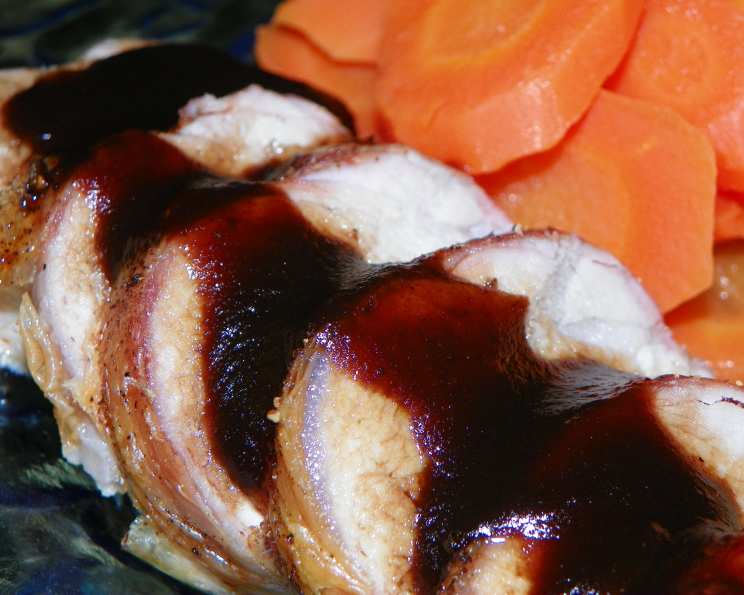
Sonoran Tamarind Sauce: A Taste of the Southwest
The memory still makes my mouth water. It was a small, family-run restaurant just outside of Tucson, the kind of place you stumble upon when you’re truly lost. The air hung thick with the scent of mesquite smoke, and the owner, a woman with a smile as warm as the desert sun, insisted I try her specialty: pork tenderloin with a tamarind sauce. The sweet, tangy, and slightly smoky flavor was unlike anything I’d ever tasted. It danced on my palate, a symphony of Sonoran flavors that I’ve been trying to recreate ever since. This recipe is my closest attempt, and I think you’ll find it captures the magic I experienced that day.
Recipe Overview
- Prep Time: 5 minutes
- Cook Time: 5 minutes
- Total Time: 10 minutes
- Servings: 6
- Yields: About 1 cup
- Dietary Type: Gluten-Free
Ingredients
- 1/4 cup red wine vinegar
- 3 tablespoons dark brown sugar
- 2 garlic cloves, minced
- 1 1/2 cups beef broth
- 1/3 cup tamarind paste
- 1 teaspoon fresh ginger, grated
Equipment Needed
- Medium saucepan
- Whisk
- Sieve or fine-mesh strainer
- Serving bowl
Instructions
- In a medium saucepan, combine the red wine vinegar, dark brown sugar, and minced garlic. Bring the mixture to a low boil over medium heat, whisking constantly until the brown sugar has completely dissolved.
- Continue to boil, stirring frequently, until the liquid has reduced by half. At this stage, the liquid will have thickened and developed a syrupy consistency. This usually takes about 2-3 minutes.
- Reduce the heat to low and gently whisk in the beef broth. Be careful as it may splatter slightly.
- Add the tamarind paste and whisk thoroughly until it is fully incorporated into the sauce. Ensure there are no lumps of tamarind paste remaining.
- Stir in the grated fresh ginger. This will add a bright, zesty note to the sauce.
- Allow the sauce to simmer gently for a few minutes to allow the flavors to meld and for the sauce to reduce slightly further. This will help to thicken it to the desired consistency.
- Pour the finished sauce through a sieve or fine-mesh strainer into a serving bowl. This step removes any remaining bits of garlic or ginger, resulting in a smoother, more refined sauce.
- Serve immediately over your favorite protein, such as sliced pork tenderloin.
Expert Tips & Tricks
- Adjusting Sweetness: If you prefer a less sweet sauce, start with 2 tablespoons of dark brown sugar and add more to taste.
- Boosting the Heat: For a spicier kick, add a pinch of red pepper flakes or a small amount of finely chopped jalapeño to the saucepan along with the garlic.
- Using Fresh Tamarind: If you can find fresh tamarind pods, you can make your own tamarind paste. Soak the pulp in warm water, then strain and use the resulting liquid in place of the prepared paste. This will give you an even more authentic flavor.
- Reducing Time: Watch the reduction carefully to prevent burning. A heavy-bottomed saucepan can help distribute heat more evenly and prevent sticking.
- Make-Ahead Prep: The sauce can be made a day or two in advance and stored in the refrigerator. This allows the flavors to meld even further. Gently reheat before serving.
Serving & Storage Suggestions
This Sonoran Tamarind Sauce is traditionally served with grilled or roasted pork tenderloin, but it’s incredibly versatile. Try it with grilled chicken, fish, or even as a glaze for roasted vegetables. It also pairs well with tacos or as a dipping sauce for spring rolls.
To store leftover sauce, transfer it to an airtight container and refrigerate for up to 5 days. You can also freeze the sauce for up to 2 months. Thaw it in the refrigerator overnight before reheating gently on the stovetop.
Nutritional Information
Note: Nutritional information is an estimate and may vary based on specific ingredients used.
| Nutrient | Amount per Serving | % Daily Value |
|---|---|---|
| Calories | 130 kcal | 7% |
| Total Fat | 0.5g | 1% |
| Saturated Fat | 0.1g | 1% |
| Cholesterol | 0mg | 0% |
| Sodium | 450mg | 19% |
| Total Carbohydrate | 32g | 11% |
| Dietary Fiber | 1g | 4% |
| Sugars | 28g | N/A |
| Protein | 1g | 2% |
Variations & Substitutions
- Vegetarian Option: Replace the beef broth with vegetable broth for a vegetarian version. The flavor will be slightly different, but still delicious.
- Maple Syrup: Substitute the dark brown sugar with maple syrup for a slightly different sweetness profile.
- Citrus Zing: Add a teaspoon of lime juice or orange zest for an extra burst of citrus flavor.
- Smoked Paprika: Stir in a pinch of smoked paprika for a subtle smoky flavor that complements the tamarind beautifully.
- Spice it Up: Add a finely chopped serrano pepper along with the garlic for a considerable kick.
FAQs (Frequently Asked Questions)
Q: What does tamarind taste like?
A: Tamarind has a unique sweet and sour flavor with hints of caramel and citrus. It adds a distinctive tanginess to sauces and dishes.
Q: Can I use tamarind concentrate instead of tamarind paste?
A: Yes, you can. Use a slightly smaller amount as concentrate is more potent than paste. Start with half the amount and adjust to taste.
Q: How do I know when the sauce has reduced enough?
A: The sauce should be thick enough to coat the back of a spoon. It will also have a slightly syrupy consistency.
Q: Can I make this sauce ahead of time?
A: Absolutely! In fact, the flavors meld together even more when the sauce is made a day or two in advance.
Q: What else can I use this sauce on besides pork tenderloin?
A: This sauce is delicious on grilled chicken, fish, shrimp, or even roasted vegetables like sweet potatoes or Brussels sprouts.
Final Thoughts
I hope this Sonoran Tamarind Sauce brings a little bit of the Southwest to your kitchen. It’s a versatile and flavorful sauce that’s sure to impress your family and friends. Don’t be afraid to experiment with the recipe and make it your own. And please, let me know what you think! I’d love to hear how you’ve used it and what pairings you’ve discovered. Perhaps, try pairing it with a crisp Sauvignon Blanc or a refreshing Mexican lager. Happy cooking!