
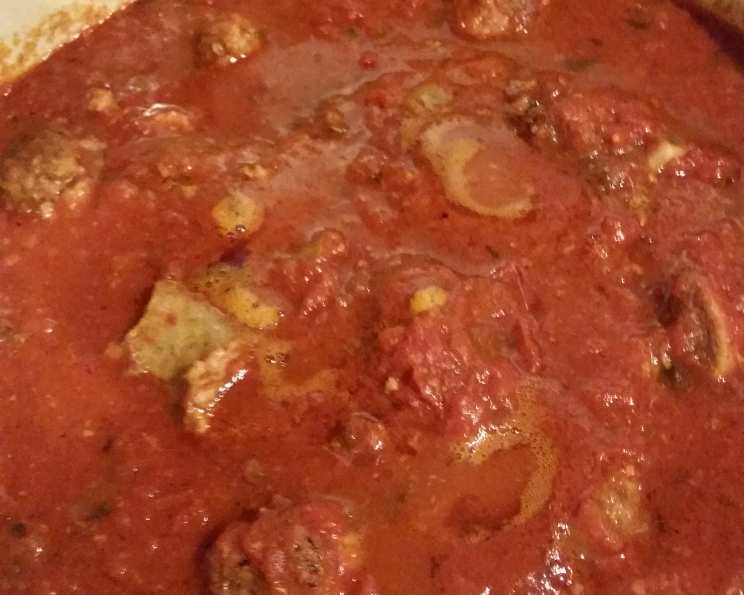
Soprano’s Sunday Gravy: A Taste of Home
My grandmother, Nonna Emilia, had a voice that could cut through a crowded marketplace and a heart that could feed an army. But her greatest weapon? Her Sunday gravy. The aroma alone, a symphony of simmering tomatoes, garlic, and slow-cooked meats, could draw the entire neighborhood into her tiny kitchen. Every Sunday was a celebration, a boisterous gathering fueled by love, laughter, and, of course, Nonna’s legendary sauce. This recipe, inspired by The Soprano Family Cookbook, strives to capture that very essence – the slow, deliberate process, the simple ingredients transformed into something truly special, and the feeling of family gathered around a table laden with deliciousness.
Recipe Overview
- Prep Time: 30 minutes
- Cook Time: 2 hours 30 minutes
- Total Time: 3 hours
- Servings: 8 cups
- Yields: 8 cups
- Dietary Type: Varies (see variations for gluten-free/dairy-free options)
Ingredients
For the Sauce:
- 2 tablespoons olive oil
- 1 lb meaty pork neck bones or 1 lb pork spareribs
- 1 lb veal stew meat or 2 veal shoulder chops
- 1 lb Italian sausage
- 4 garlic cloves
- 1⁄4 cup tomato paste
- 3 (28 ounce) cans peeled Italian tomatoes
- 2 cups water
- 6 fresh basil leaves, torn into small pieces
For the Meatballs:
- 1 lb ground beef (or combination of beef or pork)
- 1⁄2 cup plain breadcrumbs
- 2 large eggs
- 1 teaspoon finely minced garlic
- 1⁄2 cup freshly grated romano cheese or 1/2 cup parmesan cheese
- 2 tablespoons finely chopped fresh flat-leaf parsley
- 1 teaspoon salt
- Pepper
- 2 tablespoons olive oil
To Serve:
- 1 lb pasta shells or 1 lb rigatoni pasta, cooked and hot
- Freshly grated romano cheese or parmesan cheese
Equipment Needed
- Large heavy pot (Dutch oven recommended)
- Plate
- Food mill or blender (optional)
- Large bowl
- Large heavy skillet
Instructions
-
Heat the olive oil in a large heavy pot over medium heat.
-
Pat the pork dry and put the pieces in the pot. Cook, turning occasionally, for about 15 minutes or until nicely browned on all sides. Browning the meat is crucial for developing deep, rich flavors in the sauce. Don’t rush this step!
-
Transfer pork to a plate. This prevents the pork from overcooking while you brown the other meats.
-
Brown the veal in the same way and add it to the plate with the pork. Again, ensure each side gets a nice sear for maximum flavor.
-
Place the sausages in the pot and brown on all sides. You can use sweet, hot, or a combination of Italian sausages, depending on your preference.
-
Set the sausages aside with the pork and veal.
-
Drain off most of the fat from the pot, leaving just a tablespoon or two to sauté the garlic.
-
Add the garlic and cook for about 2 minutes or until golden. Be careful not to burn the garlic, as it will become bitter.
-
Remove and discard the garlic. This step might seem counterintuitive, but it imparts a subtle garlic flavor without overpowering the sauce. You can leave the garlic in if you prefer a stronger garlic taste.
-
Stir in the tomato paste and cook for 1 minute. Cooking the tomato paste deepens its flavor and adds a touch of sweetness to the sauce.
-
With a food mill (I use a Braun hand blender) puree the tomatoes, with their juice, into the pot. Or, for a chunkier sauce, just chop up the tomatoes and add them. The texture of the sauce is a matter of personal preference. A food mill will create a smoother sauce, while chopped tomatoes will result in a more rustic texture.
-
Add the water; and salt and pepper to taste. Don’t be afraid to season generously with salt and pepper. The sauce will simmer for a long time, so the flavors will meld and mellow.
-
Add the pork, veal, sausages, and basil and bring the sauce to a simmer. The basil adds a touch of freshness and herbaceousness to the sauce.
-
Partially cover the pot and cook over low heat, stirring occasionally, for 2 hours. The key to a great Sunday gravy is patience. The slow simmering process allows the flavors to meld and deepen, creating a sauce that is truly unforgettable.
-
If the sauce becomes too thick, add a little more water. You want the sauce to be thick enough to coat the pasta, but not so thick that it becomes pasty.
-
Meanwhile, make the meatballs: Combine all the ingredients except the oil in a large bowl.
-
Mix together thoroughly. Use your hands to gently combine the ingredients, being careful not to overmix. Overmixing will result in tough meatballs.
-
Rinse your hands with cool water and lightly shape the mixture into 2 inch balls. Wetting your hands will prevent the meat mixture from sticking.
-
Heat the oil in a large heavy skillet.
-
Add the meatballs and brown them well on all sides. Browning the meatballs adds flavor and helps them hold their shape in the sauce.
-
They will finish cooking in the sauce.
-
Transfer the meatballs to a plate.
-
After the sauce has cooked for its two hours, add the meatballs and cook for 30 minutes or until the sauce is thick and the meats are very tender. The meatballs will soak up the flavor of the sauce and become incredibly tender.
-
To serve, remove the meats from the sauce and set aside.
-
Toss the cooked pasta with the sauce.
-
Sprinkle with cheese.
-
Serve the meats as a second course, or reserve them for another day. This is a classic Italian tradition. The pasta is served as the first course, followed by the meat as the second course.
Expert Tips & Tricks
- Don’t be afraid to experiment with different types of meat. You can add beef short ribs, lamb, or even chicken to the sauce.
- If you don’t have a food mill, you can use a blender to puree the tomatoes. Just be careful not to over-blend, as this can make the sauce too smooth.
- For a richer flavor, add a Parmesan rind to the sauce while it simmers. Remove the rind before serving.
- If you want to make the sauce ahead of time, you can store it in the refrigerator for up to 3 days or in the freezer for up to 3 months.
Serving & Storage Suggestions
Serve the Sunday gravy hot over your favorite pasta, such as rigatoni, penne, or spaghetti. Garnish with freshly grated Romano or Parmesan cheese and a sprig of fresh basil. The meats can be served as a separate course or reserved for another meal.
Leftover sauce can be stored in an airtight container in the refrigerator for up to 3 days or in the freezer for up to 3 months. To reheat, simply simmer the sauce over low heat until heated through.
Nutritional Information
| Nutrient | Amount per Serving | % Daily Value |
|---|---|---|
| Calories | 650 kcal | 33% |
| Total Fat | 35g | 45% |
| Saturated Fat | 15g | 75% |
| Cholesterol | 150mg | 50% |
| Sodium | 1200mg | 50% |
| Total Carbohydrate | 50g | 18% |
| Dietary Fiber | 5g | 20% |
| Sugars | 10g | N/A |
| Protein | 40g | 80% |
Note: Nutritional information is an estimate and may vary based on specific ingredients and portion sizes.
Variations & Substitutions
- Gluten-Free: Use gluten-free breadcrumbs for the meatballs and serve the sauce with gluten-free pasta.
- Dairy-Free: Omit the cheese from the meatballs and use a dairy-free Parmesan alternative for serving.
- Vegetarian (Meatless Gravy): Replace the meats with hearty vegetables like mushrooms, eggplant, and zucchini. Add a can of drained and rinsed cannellini beans for extra protein.
- Spicy: Add a pinch of red pepper flakes to the sauce for a little heat.
- Regional Variations: In some regions, a splash of red wine is added to the sauce for extra depth of flavor.
FAQs (Frequently Asked Questions)
Q: Can I use canned crushed tomatoes instead of whole peeled tomatoes?
A: Yes, you can, but the flavor will be slightly different. Whole peeled tomatoes, either crushed by hand or processed through a food mill, offer a brighter, fresher taste.
Q: Can I make this sauce in a slow cooker?
A: Absolutely! Brown the meats as instructed, then transfer everything to a slow cooker and cook on low for 6-8 hours.
Q: How do I prevent the sauce from splattering while it simmers?
A: Use a splatter screen or leave the pot partially covered. Stirring occasionally will also help prevent splattering.
Q: Can I add vegetables to the sauce?
A: Yes! Onions, carrots, and celery are classic additions that add depth and sweetness to the sauce. Sauté them with the garlic at the beginning of the recipe.
Q: What’s the best way to reheat leftover gravy?
A: Gently simmer the gravy over low heat on the stovetop, stirring occasionally, until heated through. You can also reheat it in the microwave in 1-minute intervals, stirring in between, until warm.
Final Thoughts
This Sunday gravy isn’t just a recipe; it’s an experience. It’s the aroma that fills your home, the laughter shared around the table, and the feeling of being surrounded by loved ones. Don’t be intimidated by the time commitment – every minute spent simmering this sauce is an investment in flavor and memories. Gather your ingredients, put on some music, and embrace the process. And don’t forget to share your creations and feedback. Buon appetito!