
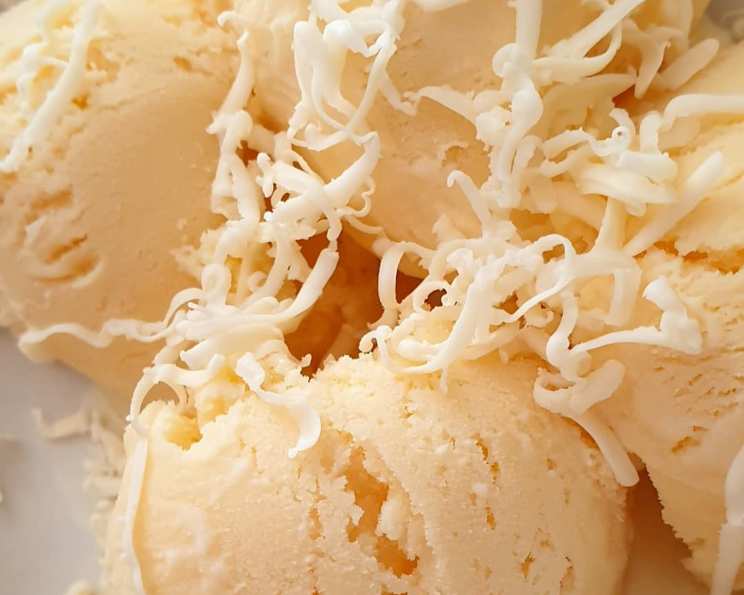
Sorbetes: A Taste of Filipino Childhood
The clanging of the sorbetes vendor’s bell was the soundtrack of my childhood summers. As a kid in Manila, that sound meant instant joy – a break from the sweltering heat with a scoop of “dirty ice cream,” as we playfully called it, nestled in a crisp sugar cone. I remember fighting for the last scoop of the ube flavor, its vibrant purple hue staining my tongue a delightful shade of violet. More than just a frozen treat, sorbetes is a symbol of Filipino ingenuity, a delicious reminder of simpler times.
Recipe Overview
- Prep Time: 20 minutes
- Cook Time: 15 minutes
- Total Time: 45 minutes (plus freezing time)
- Yields: 1 gallon
- Serves: 24
- Dietary Type: Not Vegan (Contains Dairy)
Ingredients
- ½ gallon powdered milk
- 1 ½ gallons coconut milk
- ⅓ gallon evaporated milk
- 2 kg sugar
- ⅓ kg cornstarch
- Optional Flavorings: vanilla extract, lemon zest, kalamansi zest, chocolate powder, instant coffee, chopped nuts, ube halaya (purple yam jam), mango puree, cheese cubes.
Equipment Needed
- Large mixing bowl
- Mixer or egg beater
- Large stainless steel pot or boiler
- Wooden spoon
- Round stainless steel container
- Wooden push cart (optional, for authentic presentation)
Instructions
- In a large mixing bowl, combine the powdered milk, coconut milk, evaporated milk, sugar, and cornstarch.
- Using a mixer (or egg beater), thoroughly mix all the ingredients until the consistency is foamy and the sugar and cornstarch are fully dissolved. This step is crucial for a smooth sorbetes texture.
- Pour the mixture into a large stainless steel pot or boiler.
- Boil the mixture over medium heat for 15 minutes. Stir constantly to prevent scorching and ensure even cooking. This process kills any microbes or bacteria and thickens the mixture.
- Remove the pot from the heat and set aside to cool completely. Allowing the mixture to cool prevents ice crystals from forming and affecting the final texture.
- Once cooled, it’s time to add your desired flavoring. You can use artificial flavors like vanilla, lemon, or kalamansi. To obtain flavor from lemon or kalamansi, use the zest from the peels. For natural flavors, incorporate mango puree, ube halaya, chopped nuts, cheese cubes, or chocolate powder. Add flavorings gradually, tasting as you go, until you achieve your desired intensity.
- Pour the flavored mixture into a freezer-safe container.
- Place the container in the freezer for half an hour, or until the mixture is partially frozen (half-frozen).
- Remove the container from the freezer and mix it vigorously again (with a big wooden spoon or egg beater) until the consistency becomes a thick mass. This step breaks up any ice crystals that have formed and helps create a creamier texture.
- Transfer the thick mass into a round stainless steel container.
- Cover the container tightly and place it in a wooden push cart (optional, for an authentic presentation). Surround the container with lots of crushed ice and salt. The salt lowers the freezing point of the ice, helping to keep the sorbetes cold and firm. Alternatively, you can use dry ice for even faster freezing.
- Let the sorbetes set for at least 20 minutes, or until it hardens enough to scoop. The longer it sets, the firmer it will become.
Expert Tips & Tricks
- Preventing Graininess: The key to smooth sorbetes is to ensure that the sugar and cornstarch are completely dissolved during the initial mixing stage. If you notice any undissolved granules, you can gently heat the mixture over low heat, stirring constantly, until they dissolve. Be careful not to scorch the mixture.
- Achieving Creamier Texture: The second mixing stage (after the initial freezing) is crucial for breaking up ice crystals and creating a creamier texture. Don’t skip this step!
- Flavoring Variations: Don’t be afraid to experiment with different flavor combinations! You can use fresh fruits, jams, extracts, or even savory ingredients like salted caramel or cheese.
- Make-Ahead Prep: You can prepare the base mixture (before adding flavorings) up to 2 days in advance and store it in the refrigerator. This will save you time on the day you want to make the sorbetes.
- Fixing a Runny Batch: If your sorbetes doesn’t freeze properly and remains too runny, you can try adding a small amount of cornstarch slurry (cornstarch mixed with cold water) to the mixture and heating it gently until it thickens. Then, re-freeze.
Serving & Storage Suggestions
Serve your homemade sorbetes in cones, cups, or even between slices of bread for a classic Filipino “ice cream sandwich.” Garnish with your favorite toppings, such as chopped nuts, sprinkles, or chocolate sauce.
Leftover sorbetes can be stored in an airtight container in the freezer for up to 2 weeks. However, the texture may change slightly over time, becoming icier. To minimize this, try to remove as much air as possible from the container before freezing.
Sorbetes melts relatively quickly at room temperature, so it’s best to serve it immediately after scooping.
Nutritional Information
| Nutrient | Amount per Serving | % Daily Value |
|---|---|---|
| Calories | 1131.5 kcal | N/A |
| Calories from Fat | N/A | 53% |
| Total Fat | 66.6 g | 102% |
| Saturated Fat | 55 g | 274% |
| Cholesterol | 57 mg | 19% |
| Sodium | 248.6 mg | 10% |
| Total Carbohydrate | 124.5 g | 41% |
| Dietary Fiber | 0.1 g | 0% |
| Sugars | 99.3 g | 397% |
| Protein | 19.8 g | 39% |
Note: Nutritional information is an estimate and may vary based on specific ingredients and serving size.
Variations & Substitutions
- Dairy-Free Sorbetes: While the original recipe isn’t dairy-free, you can experiment with substituting the evaporated milk and powdered milk with plant-based alternatives like oat milk and coconut cream powder. Keep in mind this will alter the flavor and texture.
- Reduced-Sugar Sorbetes: Reduce the amount of sugar used, or substitute with a sugar alternative like stevia or monk fruit sweetener. Be aware that this may affect the texture, as sugar contributes to the creaminess of the sorbetes.
- Seasonal Fruit Flavors: Use seasonal fruits like strawberries, avocado, or pineapple to create unique and flavorful sorbetes variations.
FAQs (Frequently Asked Questions)
Q: What does the term “dirty ice cream” mean?
A: “Dirty ice cream” is a playful term for sorbetes, referring to the fact that it was traditionally made and sold on the streets, rather than in sterile factory conditions. It doesn’t mean the ice cream is actually dirty!
Q: Can I use an ice cream maker for this recipe?
A: While traditionally made without an ice cream maker, you can certainly use one. Follow the manufacturer’s instructions, but you may need to adjust the freezing time.
Q: How can I make the sorbetes less sweet?
A: Gradually reduce the amount of sugar until you reach your desired sweetness level. You can also balance the sweetness with a pinch of salt or a squeeze of lemon juice.
Q: My sorbetes is too icy. How can I fix it?
A: Ensure the sugar and cornstarch are fully dissolved during the initial mixing stage. Also, don’t skip the second mixing stage after the initial freezing, as this helps break up ice crystals.
Q: Where can I find ube halaya (purple yam jam)?
A: You can find ube halaya at most Asian grocery stores, particularly those specializing in Filipino products. Alternatively, you can make it from scratch.
Final Thoughts
Sorbetes is more than just a recipe; it’s a taste of Filipino heritage and a reminder of simple pleasures. I encourage you to try making this classic treat at home and experimenting with your own unique flavor combinations. Share your creations with friends and family, and let the nostalgic sweetness of sorbetes transport you to the sunny streets of the Philippines. Don’t forget to share your feedback and experiences – I’d love to hear about your sorbetes adventures! Consider pairing it with some pandesal for a truly authentic Filipino snack.