
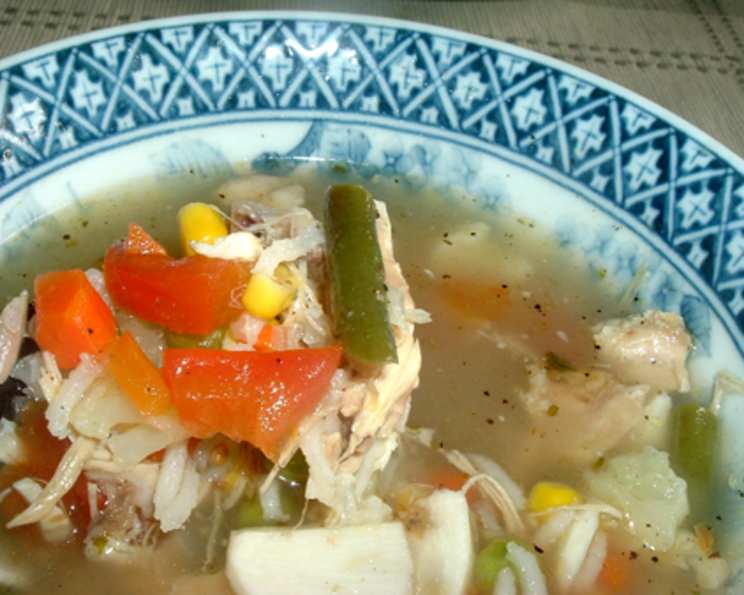
Heartwarming, Homemade No-Salt-Added Vegetable (or Chicken-Vegetable) Soup
There’s something profoundly comforting about a steaming bowl of soup, isn’t there? I remember my grandmother, a tiny woman with hands that held immeasurable wisdom, always had a pot simmering on the stove. The aroma of vegetables and herbs would fill her kitchen, a fragrant invitation to slow down and savor the simple joys of life. I’ve carried that memory with me, and this no-salt-added vegetable soup is my attempt to recreate that feeling of warmth and nourishment, tailored for health-conscious palates.
Recipe Overview
- Prep Time: 30 minutes
- Cook Time: 1 hour 35 minutes
- Total Time: 2 hours 5 minutes
- Yields: 12 cups
- Dietary Type: Low Sodium, Gluten-Free, Dairy-Free
Ingredients
- 6 cups no-salt-added chicken stock (or vegetable stock for vegetarian option)
- 2 cups water (purified)
- 1 tablespoon olive oil
- 1 small Vidalia onion
- 2 carrots
- 2 stalks celery
- 2 (15 ounce) cans no-salt-added diced tomatoes, including juice
- 2 cups frozen no-salt-added peas
- 2 cups corn (from about 3 ears)
- 2 cups green beans (from about 3 large handfuls)
- 1 medium Yukon Gold potato
- 1 (15 ounce) can no-salt-added navy beans or other no-salt-added beans, drained, rinsed
- 2 tablespoons flavor enhancer (such as a homemade vegetable bouillon, recipe below)
- 3 ounces no-added-salt tomato paste
- 1 teaspoon black pepper
- 2 cups diced cooked chicken (optional)
Flavor Enhancer (Optional)
If you don’t have a preferred no-salt-added flavor enhancer, here’s a simple one you can make:
- 2 tablespoons nutritional yeast
- 1 tablespoon dried onion powder
- 1 tablespoon dried garlic powder
- 1 teaspoon dried thyme
- 1 teaspoon dried oregano
- 1/2 teaspoon ground turmeric
Combine all ingredients and store in an airtight container.
Equipment Needed
- Large soup pot or Dutch oven
- Cutting board
- Chef’s knife
- Measuring cups and spoons
Instructions
- First, prepare your chicken stock (or use pre-made no-salt-added chicken stock). This is crucial for a flavorful base.
- Add olive oil to your soup pot.
- Chop the onion, carrots, and celery into uniform pieces. Dicing them consistently will ensure even cooking.
- Heat the olive oil over medium heat. Allow it to shimmer slightly before adding the vegetables.
- When the oil is hot, add the onion, carrots, and celery to the pot.
- Sauté the vegetables until they have softened, about 5-7 minutes. Stir frequently to prevent burning. This step helps to release their natural sweetness.
- Add the chicken stock and water to the pot. Increase the heat to high to bring the mixture to a boil.
- Add the remaining vegetables – peas, corn, green beans, potato, and navy beans (or other beans of your choice) – along with the diced tomatoes (including their juice) to the pot. Do not add the tomato paste or flavor enhancer yet.
- Bring the soup to a boil. Once boiling, reduce the heat to medium-low and simmer uncovered for 1 hour, stirring occasionally. Simmering allows the flavors to meld and deepen.
- In a separate small bowl, mix the tomato paste with 1/2 cup of the broth from the soup until it is fully dissolved. This prevents clumps of tomato paste in the final soup. Add the tomato paste mixture to the soup.
- Add the black pepper and the flavor enhancer to the soup.
- Increase the heat to high to return the soup to a simmer, then reduce the heat back to medium-low.
- Simmer for another 30 minutes, stirring occasionally. The longer simmer time further develops the flavor and softens the vegetables.
- If using, add the diced cooked chicken to the soup. Cook for 5 minutes to heat the chicken through.
- Set aside enough soup for the rest of the week. Allow the remaining soup to cool completely before freezing.
- Freeze the remaining soup in one-cup containers for future use. These individual portions are perfect for lunches or quick dinners.
Expert Tips & Tricks
- Vegetable Broth Boost: For an extra layer of flavor, consider roasting your vegetable scraps (onion skins, carrot peels, celery ends) before making your stock. Roasting adds a depth and richness that elevates the soup.
- Texture Control: If you prefer a creamier soup, you can use an immersion blender to partially blend the soup after it has simmered. Be careful not to over-blend, as you still want some chunks of vegetables for texture.
- Make-Ahead Magic: This soup is fantastic for meal prepping. It actually tastes even better the next day after the flavors have had a chance to meld. You can make a big batch on the weekend and enjoy it throughout the week.
- Acid Balance: If you find the soup needs a little brightening, a squeeze of fresh lemon juice or a splash of apple cider vinegar at the end can work wonders. Add it gradually and taste as you go.
Serving & Storage Suggestions
Serve the soup hot, garnished with fresh herbs like parsley or chives for a pop of color and freshness. A swirl of plain yogurt or a dollop of sour cream (if not avoiding dairy) can also add a creamy touch.
Leftovers can be stored in an airtight container in the refrigerator for up to 3-4 days. To reheat, gently warm on the stovetop or in the microwave until heated through.
For longer storage, freeze the soup in airtight containers or freezer bags for up to 2-3 months. Thaw overnight in the refrigerator before reheating.
Nutritional Information
| Nutrient | Amount per Serving | % Daily Value* |
|---|---|---|
| Calories | 127 kcal | N/A |
| Calories from Fat | 16 kcal | N/A |
| Total Fat | 1.9 g | 2% |
| Saturated Fat | 0.3 g | 1% |
| Cholesterol | 0 mg | 0% |
| Sodium | 33.9 mg | 1% |
| Total Carbohydrate | 24.6 g | 8% |
| Dietary Fiber | 6.2 g | 24% |
| Sugars | 4.6 g | N/A |
| Protein | 5.7 g | N/A |
*Percent Daily Values are based on a 2,000 calorie diet.
Variations & Substitutions
- Vegan Version: Ensure you use vegetable stock instead of chicken stock. You can also add a can of drained and rinsed chickpeas for extra protein.
- Spicy Kick: Add a pinch of red pepper flakes or a diced jalapeño pepper to the soup while sautéing the vegetables for a spicy twist.
- Root Vegetable Medley: Swap out some of the vegetables for other root vegetables like parsnips, turnips, or sweet potatoes for a different flavor profile.
- Pasta Addition: Stir in cooked pasta (such as ditalini or small shells) during the last 5 minutes of cooking for a heartier soup. Be mindful of sodium content of the pasta, or choose a low sodium brand.
- Seasonal Adaptation: Adjust the vegetables based on what’s in season. In the fall, consider adding butternut squash or pumpkin. In the spring, asparagus or spinach would be delicious additions.
FAQs (Frequently Asked Questions)
Q: Can I use other types of beans in this soup?
A: Absolutely! Feel free to substitute the navy beans with cannellini beans, kidney beans, or any other no-salt-added beans you prefer.
Q: What if I don’t have Vidalia onion?
A: A yellow onion or white onion will work perfectly fine as a substitute. Vidalia onions are just known for their sweetness.
Q: Can I add herbs to this soup?
A: Yes, fresh or dried herbs can enhance the flavor of the soup. Thyme, rosemary, oregano, and bay leaf are all excellent choices. Add dried herbs during the simmering process and fresh herbs towards the end of cooking.
Q: How can I make this soup thicker?
A: You can thicken the soup by pureeing a portion of it with an immersion blender, or by adding a cornstarch slurry (1 tablespoon cornstarch mixed with 2 tablespoons cold water) during the last few minutes of cooking.
Q: Is it really necessary to use no-salt-added ingredients?
A: Using no-salt-added ingredients gives you complete control over the sodium content of your soup. This is particularly important for individuals who are watching their sodium intake for health reasons. You can always add a pinch of salt to taste at the end if desired.
Final Thoughts
I hope this recipe inspires you to create your own nourishing and flavorful no-salt-added vegetable soup. The beauty of this recipe lies in its adaptability, so feel free to experiment with different vegetables and seasonings to create a soup that perfectly suits your taste. Share your creations and feedback – I’d love to hear how it turns out! Enjoy this simple yet satisfying soup on its own or paired with a crusty loaf of bread for a complete and comforting meal.