
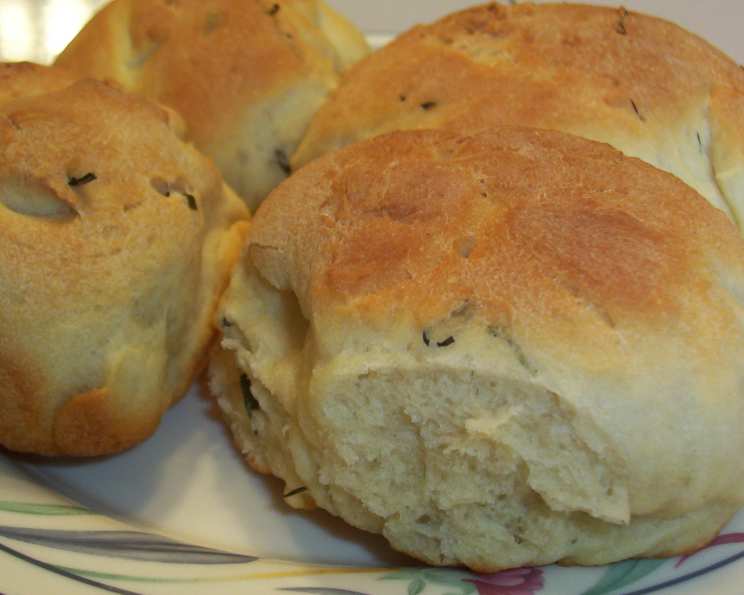
Sour Cream Chive Bread (Bread Machine)
I remember the first time I smelled a loaf of bread baking in a bread machine. It was at my grandmother’s house, and the aroma of warm dough, slightly tangy sour cream, and fresh chives filled the entire kitchen. Grandma swore by her bread machine for perfectly consistent results, and that sour cream chive bread became a family favorite, especially during holiday gatherings. The soft, slightly chewy texture and the savory flavor were simply irresistible. Now, every time I bake this bread, I’m instantly transported back to her cozy kitchen.
Recipe Overview
- Prep Time: 15 minutes
- Cook Time: 3 hours 10 minutes (approximate, depends on your machine)
- Total Time: 3 hours 25 minutes
- Servings: 12
- Yield: 1 loaf
- Dietary Type: Not specified
Ingredients
- 2/3 cup milk (room temperature)
- 1/4 cup water (room temperature)
- 1/4 cup sour cream
- 2 tablespoons butter or margarine
- 1 1/2 teaspoons sugar
- 1 1/2 teaspoons salt
- 3 cups bread flour
- 1/8 teaspoon baking soda
- 1/4 cup minced chives
- 2 1/4 teaspoons active dry yeast
Equipment Needed
- Bread Machine
Instructions
-
Begin by placing all the ingredients into the bread machine pan in the order recommended by your bread machine manufacturer. This is crucial for ensuring the yeast activates correctly and the bread rises properly. Typically, liquids go in first, followed by dry ingredients, with the yeast added last on top.
-
Select the basic bread setting on your bread machine. This setting is designed for standard loaves and provides the right kneading, rising, and baking times.
-
Choose your preferred crust color and loaf size (1 1/2 pounds). Lighter crusts will result in a softer loaf, while darker crusts offer a more robust flavor and texture.
-
Monitor the dough after approximately 5 minutes of mixing. The consistency should be slightly tacky but not overly sticky. If the dough appears too dry, add 1-2 tablespoons of water, one tablespoon at a time, until it reaches the desired consistency. Conversely, if the dough is too wet and sticks to the sides of the pan, add 1-2 tablespoons of bread flour, again, one tablespoon at a time, until the dough forms a cohesive ball.
-
Allow the bread machine to complete its cycle. Keep in mind that this recipe is not recommended for the time delay feature available on some bread machines. The fresh chives are best added just before the baking process to retain their optimal flavor and vibrant color.
-
Once the baking cycle is complete, carefully remove the bread from the bread machine pan. Use oven mitts, as the pan will be hot.
-
Place the loaf on a wire rack to cool completely before slicing and serving. This allows steam to escape, preventing the bread from becoming soggy.
Expert Tips & Tricks
- Room Temperature Matters: Ensure both the milk and water are at room temperature. This helps activate the yeast more effectively, leading to a better rise.
- Flour Power: Bread flour is essential for this recipe as it contains more gluten than all-purpose flour, resulting in a chewier, more structured loaf.
- Chive Prep: Use freshly minced chives for the best flavor. If using dried chives, reduce the amount to 1 tablespoon, as dried herbs have a more concentrated flavor.
- Sour Cream Secrets: Full-fat sour cream will provide the richest flavor and texture. However, you can use a lower-fat version if desired, but the bread might be slightly drier.
- Dough Consistency is Key: Always check the dough consistency after a few minutes of kneading. This is the most crucial step for a perfectly textured loaf. Adjust with water or flour, a tablespoon at a time, until the dough forms a smooth, elastic ball.
- Troubleshooting: If your bread doesn’t rise properly, the yeast may be old or the liquid temperature may be off. Ensure your yeast is fresh and active and that the liquids are at room temperature. If the bread is too dense, you may have added too much flour.
Serving & Storage Suggestions
Serve the sour cream chive bread warm or at room temperature. It’s delicious on its own, toasted with butter, or as a side to soups, salads, or sandwiches. For an elegant presentation, slice the bread into even slices and arrange them on a platter.
To store leftover bread, wrap it tightly in plastic wrap or place it in an airtight container at room temperature for up to 3 days. For longer storage, freeze the bread for up to 2 months. Thaw it completely before slicing and serving. To refresh day-old bread, lightly toast it or warm it in a low oven (300°F/150°C) for a few minutes.
Nutritional Information
| Nutrient | Amount per Serving | % Daily Value |
|---|---|---|
| Calories | 154 kcal | 8% |
| Total Fat | 3.8g | 5% |
| Saturated Fat | 2.2g | 11% |
| Cholesterol | 9mg | 3% |
| Sodium | 327mg | 14% |
| Total Carbohydrate | 25.5g | 9% |
| Dietary Fiber | 1g | 4% |
| Sugars | 0.6g | – |
| Protein | 4.2g | 8% |
Nutritional information is an estimate and may vary based on specific ingredients and portion sizes.
Variations & Substitutions
- Gluten-Free Option: Substitute the bread flour with a gluten-free bread flour blend. You may need to adjust the amount of liquid depending on the blend you use.
- Dairy-Free Version: Use non-dairy milk (such as almond or soy milk) and a dairy-free sour cream substitute. Replace the butter with a dairy-free margarine or vegetable oil.
- Herb Variations: Experiment with other herbs like dill, rosemary, or thyme instead of chives.
- Cheese Addition: Add 1/2 cup of shredded cheddar or parmesan cheese to the dough for an extra cheesy flavor.
- Garlic Twist: Add 1 teaspoon of garlic powder or 2 cloves of minced garlic to the dough for a savory garlic flavor.
FAQs (Frequently Asked Questions)
Q: Can I use all-purpose flour instead of bread flour?
A: While you can use all-purpose flour, the bread will be less chewy and may not rise as high. Bread flour is recommended for the best texture.
Q: My bread is too dense. What did I do wrong?
A: The most common cause of dense bread is using old yeast or not using enough flour. Make sure your yeast is fresh and measure the flour accurately.
Q: Can I add other ingredients to the dough?
A: Yes, you can add other herbs, cheese, or spices to customize the flavor. Just be careful not to add too much, as it can affect the dough’s consistency.
Q: How do I prevent the bread from sticking to the pan?
A: Most bread machine pans have a non-stick coating. However, you can grease the pan lightly with cooking spray or oil to ensure the bread releases easily.
Q: Can I halve the recipe?
A: Yes, you can halve the recipe, but make sure to adjust the ingredient amounts accurately. Also, choose the appropriate loaf size setting on your bread machine.
Final Thoughts
This Sour Cream Chive Bread is a wonderfully simple recipe that yields an incredibly flavorful and satisfying loaf. Whether you’re a seasoned bread baker or a beginner, the bread machine makes the process effortless. I encourage you to give this recipe a try and experience the comforting aroma and delicious taste of homemade bread. Don’t hesitate to experiment with different herbs and cheeses to create your own unique version. Share your creations and feedback with fellow bread enthusiasts! This bread pairs perfectly with a hearty bowl of soup or a light salad, making it a versatile addition to any meal.