
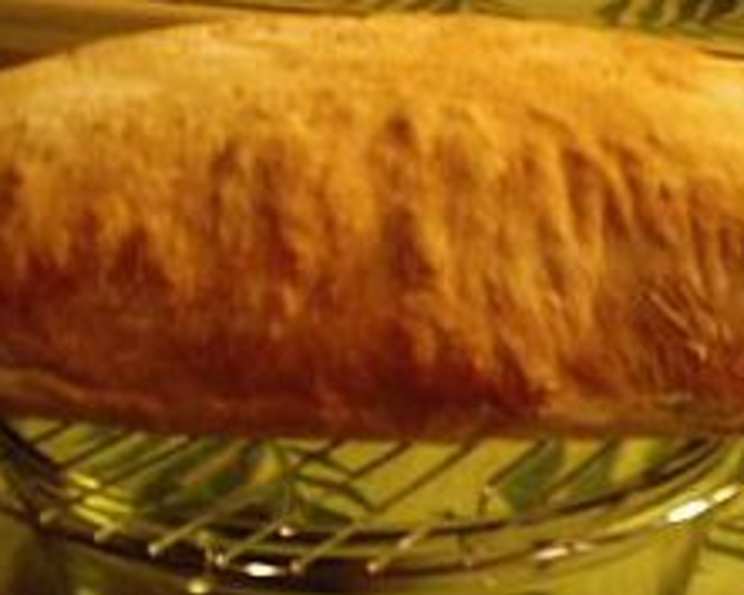
The Soul of Italian Bread: Mastering the Sourdough Biga
The aroma of freshly baked bread is more than just a pleasant scent; it’s a portal to childhood memories. I remember my grandmother, Nonna Emilia, humming softly in her sun-drenched kitchen, her hands dusted with flour as she kneaded dough. The magic always started the day before, with a bubbling concoction she called “biga,” the secret to her impossibly light and flavorful Italian bread. It’s a technique I’ve honed over the years, and I’m excited to share the secrets to crafting this foundational element for truly exceptional bread.
Recipe Overview
- Prep Time: 10 minutes
- Rise Time: 12-18 hours
- Total Time: 12 hours 10 minutes – 18 hours 10 minutes
- Yields: 1 biga
- Serves: Varies depending on bread recipe
- Dietary Type: Vegetarian
Ingredients
- ½ cup sourdough starter (active and bubbly)
- ¼ cup warm water (about 90-95°F/32-35°C)
- 1 cup unbleached white flour (bread flour preferred)
Equipment Needed
- Medium bowl
- Large, deep bowl
- Oiled plastic wrap or reusable lid
Instructions
- In a medium bowl, combine the sourdough starter and warm water. Mix with a spoon or your hand until the starter is fully dissolved and the mixture is smooth. The water temperature is important here: too hot and you risk damaging the starter; too cold, and it won’t activate properly.
- Add the unbleached white flour to the starter mixture. Beat vigorously with a spoon or your hand until a smooth, somewhat stiff dough forms. This should take about 3 minutes. Don’t worry if it seems a little tough – that’s perfectly normal for a biga.
- Lightly oil a large, deep bowl. This prevents the biga from sticking as it rises.
- Scrape the biga into the oiled bowl. Use a spatula or your hands to ensure all of the dough is transferred.
- Cover the bowl with oiled plastic wrap or a tight-fitting lid. The oil on the plastic wrap will prevent it from sticking to the biga as it rises. Alternatively, a reusable silicone lid works perfectly.
- Let the biga rise at room temperature (ideally around 70-75°F/21-24°C) for 12 to 18 hours. During this time, the biga will likely rise significantly and then gradually fall back on itself. This is a sign that it’s ready to be used. The longer it ferments, the more complex the flavor will be.
Expert Tips & Tricks
- Starter Strength: The key to a successful biga is a healthy, active sourdough starter. Make sure your starter is bubbly and has doubled in size after feeding before using it in this recipe.
- Flour Choice: While unbleached all-purpose flour will work, bread flour is highly recommended for a chewier and more structured final product. Bread flour has a higher protein content, which contributes to gluten development.
- Temperature Matters: Maintaining the correct temperature is crucial. Too cold, and the biga will rise very slowly or not at all. Too warm, and it might over-ferment and develop an overly sour flavor. Aim for a consistent room temperature between 70-75°F (21-24°C).
- Visual Cues: Don’t rely solely on time. The biga is ready when it has at least doubled in size and then begun to deflate slightly. You should see bubbles throughout the dough.
- Over-Fermentation: If the biga smells strongly of alcohol or vinegar, it has likely over-fermented. While it can still be used, it will result in a more sour-tasting bread.
- Adjusting Hydration: The stiffness of the biga may vary slightly depending on the hydration level of your starter. If the dough seems too dry, add a teaspoon of water at a time until it reaches a smooth consistency.
Serving & Storage Suggestions
The biga is not meant to be eaten on its own. It is an intermediary step in making Italian bread. Once the biga has risen, use it immediately in your favorite Italian bread recipe or in a specific recipe that calls for a biga, such as Chewy Italian Bread.
If you cannot use the biga immediately, you can store it in the refrigerator for up to 24 hours. However, keep in mind that refrigeration will slow down the fermentation process, and the biga may need a bit more time to warm up and activate before being used. Allow it to come to room temperature for about an hour before proceeding with your bread recipe.
Nutritional Information
Note: The nutritional information below is an estimate for the biga itself and does not include the ingredients used in the final bread recipe.
| Nutrient | Amount per Serving (entire biga) | % Daily Value |
|---|---|---|
| Calories | Approximately 450 kcal | N/A |
| Total Fat | 1.5g | 2% |
| Saturated Fat | 0.3g | 1% |
| Cholesterol | 0mg | 0% |
| Sodium | 5mg | 0% |
| Total Carbohydrate | 95g | 32% |
| Dietary Fiber | 3g | 12% |
| Sugars | 1g | 2% |
| Protein | 12g | 24% |
Daily values are based on a 2000 calorie diet. Your daily values may be higher or lower depending on your calorie needs.
Variations & Substitutions
- Whole Wheat Biga: For a heartier flavor, substitute up to 50% of the unbleached white flour with whole wheat flour. Keep in mind that whole wheat flour absorbs more water, so you may need to adjust the hydration slightly.
- Rye Biga: Similarly, you can substitute a portion of the white flour with rye flour for a more complex and slightly tangy flavor.
- Gluten-Free Option: While traditional biga relies on gluten development, you can experiment with gluten-free flour blends designed for bread making. The results will differ in texture, but it can still add flavor to gluten-free bread. You may need to add a binder like xanthan gum.
- Enriched Biga: For a richer flavor, you can add a tablespoon of olive oil to the biga mixture. This will also make the dough more pliable.
FAQs (Frequently Asked Questions)
Q: Why use a biga instead of a straight dough?
A: A biga allows for a longer fermentation period, which develops complex flavors and improves the texture of the final bread. It also contributes to a lighter and more airy crumb.
Q: Can I use commercial yeast instead of sourdough starter?
A: While you can, the flavor profile will be significantly different. Sourdough starter provides a unique tang and depth of flavor that commercial yeast cannot replicate.
Q: My biga didn’t rise. What went wrong?
A: This could be due to several factors, including an inactive starter, water that was too hot or too cold, or a room temperature that was too low. Ensure your starter is active and that the water temperature is within the recommended range.
Q: How do I know if my sourdough starter is active enough?
A: An active starter should double in size within 4-8 hours after feeding and have a bubbly texture. A float test can also be done; a spoonful of active starter should float in a glass of water.
Q: Can I make a larger batch of biga?
A: Yes, you can easily scale this recipe up. Simply multiply all the ingredients proportionally. Make sure to use a large enough bowl to accommodate the increased volume during rising.
Final Thoughts
The journey to mastering Italian bread begins with understanding the foundational role of the biga. It’s more than just a pre-ferment; it’s the soul of the bread, contributing depth of flavor, airy texture, and that unmistakable aroma that fills your kitchen with warmth. Don’t be intimidated by the process; embrace the slow fermentation, experiment with different flours, and savor the satisfaction of creating something truly special. I encourage you to try this recipe and share your baking adventures! Buon appetito!