
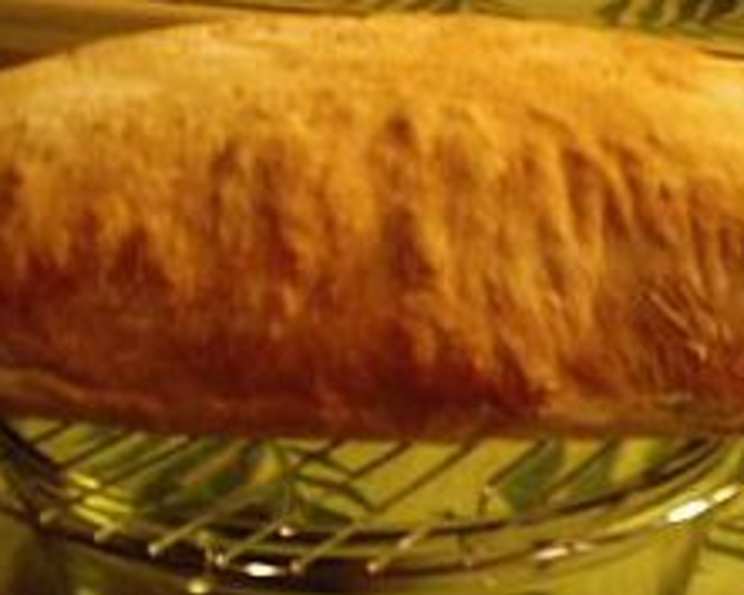
Sourdough Biga: The Secret to Artisan Italian Bread
My grandmother, Nonna Emilia, had hands that could coax magic from flour and water. I remember standing by her side, mesmerized, as she prepared her biga – the pre-ferment that gave her Italian bread its characteristic airy crumb and tangy flavor. The aroma of that slightly sour, yeasty mixture proofing on her warm kitchen counter is a scent etched in my memory, a scent that always reminds me of family, love, and the simple pleasure of breaking bread together. This recipe is my attempt to recreate Nonna Emilia’s magic, a tribute to her enduring culinary legacy.
Recipe Overview
- Prep Time: 10 minutes
- Rise Time: 12-18 hours
- Total Time: 12 hours 10 minutes – 18 hours 10 minutes
- Yields: 1 biga
- Serves: Varies depending on the final bread recipe
- Dietary Type: Vegetarian
Ingredients
- ½ cup sourdough starter (active and bubbly)
- ¼ cup warm water (about 90-105°F)
- 1 cup unbleached white flour
Equipment Needed
- Medium bowl
- Large, deep bowl
- Oiled plastic wrap or reusable lid
Instructions
-
In a medium bowl, pour in the sourdough starter and warm water. Mix thoroughly until the starter is fully dissolved and the mixture is smooth. This step ensures even distribution of the starter throughout the biga.
-
Add the unbleached white flour to the mixture. Beat vigorously until a smooth, albeit stiff, dough forms. This process typically takes about 3 minutes. Don’t worry if it seems a bit dense; that’s expected for a biga.
-
Lightly oil a large, deep bowl with olive oil or your preferred cooking oil. The oil prevents the biga from sticking to the bowl as it rises.
-
Scrape the prepared biga into the oiled bowl. Make sure all of the dough is transferred into the bowl, you can use a spatula if needed.
-
Cover the bowl tightly with oiled plastic wrap or a reusable lid. The oil on the plastic wrap prevents the biga from sticking to it as it rises. This is crucial to prevent drying and maintain the proper moisture level.
-
Let the biga rise at room temperature (ideally around 70-75°F) for 12 to 18 hours. During this time, it will likely rise significantly, then gradually fall back in on itself. This process is a sign that the fermentation is progressing correctly. The exact timing will depend on the strength of your starter and the ambient temperature. Don’t be alarmed if it looks a little deflated; that’s perfectly normal.
-
Once the biga has matured (12-18 hours), it’s ready to be used as directed in your favorite Italian bread recipe. You can also use it in the Chewy Italian Bread recipe #176167 for a delicious loaf.
Expert Tips & Tricks
- Starter Health is Key: The success of your biga hinges on a healthy and active sourdough starter. Make sure your starter has been recently fed and is bubbly and doubled in size before using it in this recipe. A sluggish starter will result in a dense, under-fermented biga.
- Temperature Matters: The ideal temperature for rising is around 70-75°F. If your kitchen is colder, consider placing the bowl in a slightly warmer spot, such as near a preheating oven or inside a turned-off oven with the light on. Avoid overly warm locations, which can lead to over-fermentation.
- Consistency is King: The biga should be quite stiff, but not so dry that it’s impossible to mix. If your dough seems too dry, add a tiny bit more water (a teaspoon at a time) until you achieve the desired consistency.
- The Float Test: To test if your starter is ready to use, drop a small spoonful of it into a glass of water. If it floats, it’s active enough!
- Smell Test: A well-fermented biga will have a pleasant, slightly sour aroma. A pungent or vinegary smell indicates over-fermentation.
- Autolyse Advantage: For an even more enhanced flavor and texture, consider adding a short autolyse step to your final dough. After mixing the biga with the remaining ingredients, let the dough rest for 20-30 minutes before kneading. This allows the flour to fully hydrate, resulting in a more extensible and flavorful dough.
Serving & Storage Suggestions
The biga itself isn’t meant to be served directly. It is an ingredient to be incorporated into your favorite Italian bread recipe. After baking your Italian bread, let it cool completely on a wire rack before slicing and serving. Freshly baked bread is best enjoyed within a day or two. To store leftover bread, wrap it tightly in plastic wrap or place it in a bread bag at room temperature. For longer storage, slice the bread and freeze it in an airtight container. To reheat, thaw the frozen slices and toast them lightly or wrap the loaf in foil and warm in a low oven (300°F) for about 10-15 minutes.
Nutritional Information
Please note that the nutritional information below is an estimate for the biga itself and does not include the other ingredients used in the final bread recipe. The final nutritional value of your bread will depend on the complete recipe.
| Nutrient | Amount per Serving | % Daily Value |
|---|---|---|
| Calories | 450 kcal | 23% |
| Total Fat | 1.5g | 2% |
| Saturated Fat | 0.3g | 1% |
| Cholesterol | 0mg | 0% |
| Sodium | 5mg | 0% |
| Total Carbohydrate | 95g | 32% |
| Dietary Fiber | 3g | 12% |
| Sugars | 1g | 2% |
| Protein | 13g | 26% |
Variations & Substitutions
- Whole Wheat Biga: Replace up to 50% of the unbleached white flour with whole wheat flour for a nuttier flavor and slightly denser texture.
- Rye Biga: Substitute a portion of the white flour with rye flour for a more complex, earthy flavor profile. Start with about 10-20% rye flour and adjust to taste.
- Gluten-Free Biga: I do not recommend trying to make this biga gluten-free as the gluten is key to it’s structure, however there are alternate bread recipes that might suit your needs.
- Herb Infusion: Add a teaspoon of dried herbs, such as rosemary or thyme, to the flour for an aromatic twist.
- Olive Oil Enhancement: Incorporate a tablespoon of extra virgin olive oil into the biga mixture for added richness and flavor.
FAQs (Frequently Asked Questions)
Q: Can I use all-purpose flour instead of unbleached white flour?
A: Yes, you can use all-purpose flour, but unbleached white flour will give you a slightly better rise and texture.
Q: What happens if I let the biga rise for longer than 18 hours?
A: Over-fermentation can occur, resulting in a sour, vinegary taste and a weaker gluten structure. Monitor the biga and use it as soon as it’s ready.
Q: Can I make the biga ahead of time and store it in the refrigerator?
A: Yes, you can refrigerate the biga for up to 24 hours after it has risen. Bring it to room temperature for about an hour before using it in your bread recipe.
Q: My biga didn’t rise much. What could be the problem?
A: The most likely culprit is an inactive starter. Make sure your starter is bubbly and doubled in size before using it. Also, ensure that the room temperature is warm enough for proper fermentation.
Q: Can I use this biga for other types of bread besides Italian bread?
A: Absolutely! While it’s traditionally used for Italian bread, you can experiment with using it in other bread recipes to add complexity and flavor. Just keep in mind that it may affect the final texture and rise.
Final Thoughts
Creating your own sourdough biga is a rewarding experience that elevates the flavor and texture of homemade Italian bread to a whole new level. Don’t be intimidated by the time commitment; the active work is minimal, and the results are well worth the effort. So, go ahead and embark on this culinary adventure. Share your creations with family and friends, and experience the joy of baking truly exceptional bread. I encourage you to experiment, have fun, and embrace the journey of sourdough baking. Let me know how it turns out! Buon appetito!