
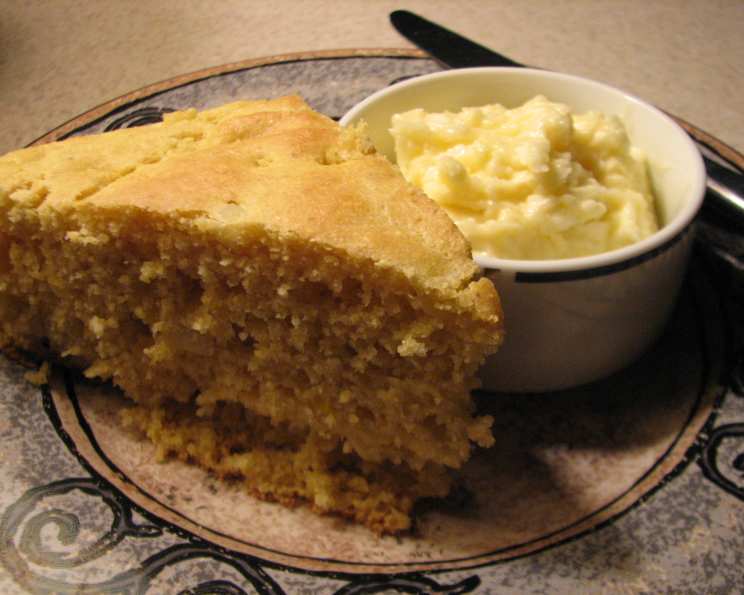
Sourdough Cornbread: A Tangy Twist on a Classic Comfort
There’s something deeply comforting about the smell of cornbread baking in the oven. For me, it instantly transports me back to my grandmother’s kitchen, where she’d whip up a skillet of golden goodness to accompany her famous chili. But my favorite memory involves sneaking a warm, crumbly corner of cornbread straight from the pan, the sweet-savory flavor a secret indulgence only grandma and I shared. This sourdough version elevates that comforting classic with a subtle tang, making it a truly unforgettable experience.
Recipe Overview
- Prep Time: 15 minutes (plus overnight fermentation)
- Cook Time: 25-30 minutes
- Total Time: Approximately 16 hours (including fermentation)
- Servings: 6-8
- Yield: 1 skillet
- Dietary Type: Vegetarian (can be dairy-free with substitutions)
Ingredients
- 1 cup sourdough starter, activated
- 1/2 cup buttermilk (or 1/2 cup milk)
- 1 1/2 cups cornmeal (self-rising or regular)
- 1/2 cup all-purpose flour
- 1 egg, lightly beaten
- 2 tablespoons oil (vegetable, canola, or melted coconut oil)
- 1/2 teaspoon salt
- 3 tablespoons sugar (or less, to taste)
- 1 teaspoon baking powder
- 1/2 teaspoon baking soda
Equipment Needed
- Large bowl
- Measuring cups and spoons
- Whisk or spoon
- 10-inch cast iron skillet or cake pan
Instructions
- In a large bowl, stir together the sourdough starter, buttermilk (or milk), cornmeal, and flour.
- Cover the bowl and let it sit overnight in a cool place. I usually just leave it on the counter, but if your kitchen is particularly warm, you can refrigerate it. This fermentation process is key to developing the tangy flavor and light texture of the cornbread.
- The next day, preheat your oven to 400 degrees F (200 degrees C). Place your oiled cast iron skillet (or cake pan) in the oven to heat up as well. This ensures a crispy crust.
- In a separate bowl, lightly beat the egg.
- Once the oven and skillet are hot, remove the skillet carefully (use oven mitts!) and set it aside.
- Add the egg, oil, salt, sugar, baking powder, and baking soda to the sourdough mixture and stir until just combined. Be careful not to overmix.
- Check the consistency of the batter. If it seems too thick, add a little more buttermilk (or milk) until it resembles the consistency of a regular cornbread batter. It should be pourable but not too runny.
- Pour the batter into the hot, oiled skillet. The batter should sizzle slightly when it hits the pan.
- Bake in the preheated oven for 25-30 minutes, or until the cornbread is golden brown and a toothpick inserted into the center comes out clean.
- Remove from the oven and let it cool slightly before slicing and serving.
Expert Tips & Tricks
- Don’t skip the overnight fermentation! This is what gives the cornbread its unique flavor and texture.
- Heat your skillet. Placing the skillet in the oven while it preheats is crucial for achieving a crispy, golden crust.
- Adjust the sweetness. The original recipe calls for 3 tablespoons of sugar, but I often reduce it to 1 tablespoon or even omit it entirely, depending on my preference. Taste the batter (before adding the egg and leavening agents) to determine your ideal level of sweetness.
- Use self-rising cornmeal. If you use regular cornmeal, you may need to add an additional 1/2 teaspoon of salt to the batter.
- Add mix-ins. Get creative with your cornbread by adding ingredients like chopped jalapenos, shredded cheese, or cooked bacon to the batter.
- Check for doneness. To ensure your cornbread is fully cooked, insert a toothpick into the center. If it comes out clean, it’s ready. If not, continue baking for a few more minutes.
- Room temperature starter: Be sure your starter is at room temperature before beginning, as a cold starter straight from the fridge will need more time to rise.
- Even Baking: Rotate the skillet halfway through the baking time to ensure even browning.
- Prevent Sticking: For easy removal, grease the skillet generously with shortening or cooking spray.
Serving & Storage Suggestions
Serve this sourdough cornbread warm, straight from the skillet. It’s delicious on its own or as a side dish to chili, soups, stews, or barbecue. Leftover cornbread can be stored at room temperature for up to 2 days, in the refrigerator for up to 5 days, or in the freezer for up to 2 months. To reheat, wrap the cornbread in foil and warm it in a low oven (300 degrees F) until heated through. You can also microwave it for a quick reheat, but be careful not to overcook it.
Nutritional Information
| Nutrient | Amount per Serving | % Daily Value |
|---|---|---|
| Calories | 250 kcal | 13% |
| Total Fat | 10g | 15% |
| Saturated Fat | 2g | 10% |
| Cholesterol | 40mg | 13% |
| Sodium | 450mg | 19% |
| Total Carbohydrate | 35g | 13% |
| Dietary Fiber | 3g | 12% |
| Sugars | 8g | – |
| Protein | 6g | 12% |
Note: Nutritional information is an estimate and may vary based on specific ingredients and preparation methods.
Variations & Substitutions
- Dairy-Free: Substitute the buttermilk with a non-dairy milk alternative, such as almond milk or soy milk. You can also add a teaspoon of lemon juice or apple cider vinegar to the non-dairy milk to mimic the tanginess of buttermilk.
- Gluten-Free: Use a gluten-free all-purpose flour blend instead of regular all-purpose flour.
- Spicy: Add chopped jalapenos or a pinch of cayenne pepper to the batter for a spicy kick.
- Cheesy: Stir in shredded cheddar cheese or Monterey Jack cheese to the batter before baking.
- Herbed: Add chopped fresh herbs, such as rosemary, thyme, or chives, to the batter for a savory flavor.
- Sweet Corn: Mix in some fresh or frozen corn kernels to the batter.
- Maple Syrup: Instead of sugar, use maple syrup for a more complex sweetness.
FAQs (Frequently Asked Questions)
Q: What does the sourdough starter do for the cornbread?
A: The sourdough starter adds a subtle tangy flavor and helps to create a lighter, more tender texture. It also contributes to the cornbread’s rise.
Q: Can I use regular milk instead of buttermilk?
A: Yes, you can substitute regular milk for buttermilk. However, buttermilk will provide a slightly tangier flavor and a more tender crumb.
Q: Can I make this cornbread without a cast iron skillet?
A: Yes, you can use a cake pan instead of a cast iron skillet. Just make sure to grease the pan well before pouring in the batter.
Q: How do I know when the sourdough starter is “activated”?
A: An activated starter will have doubled in size and be bubbly and active. This usually takes 4-8 hours after feeding it.
Q: Can I make this ahead of time?
A: Yes, you can prepare the batter the night before and store it in the refrigerator. However, add the baking powder and baking soda just before baking.
Final Thoughts
This sourdough cornbread is a delightful twist on a classic recipe, offering a unique flavor and texture that’s sure to impress. Whether you’re serving it alongside a hearty chili or enjoying it on its own, this cornbread is a comforting and satisfying treat. Don’t be intimidated by the sourdough process – it’s easier than you think! So grab your starter, preheat your oven, and get ready to experience the best cornbread you’ve ever tasted. And most importantly, don’t forget to share your baking adventures with others!