
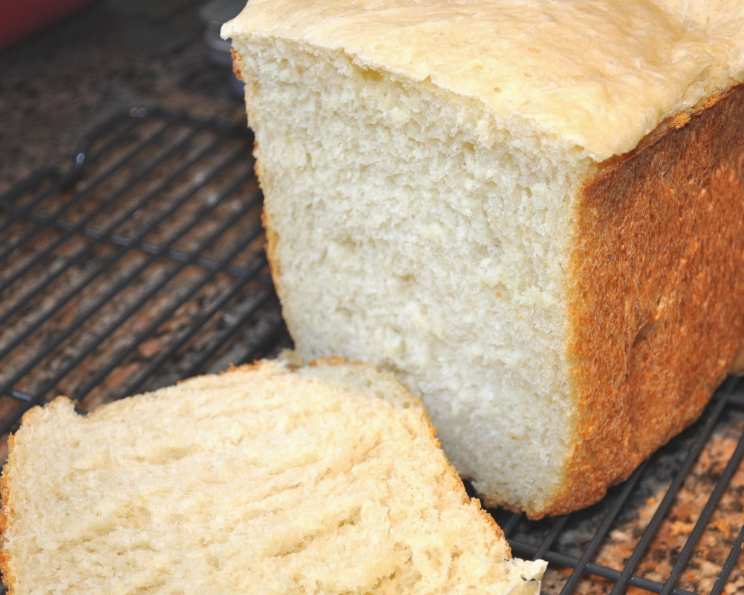
Sourdough French Bread – Abm (Amish Bread Starter)
The scent of baking bread is a powerful time machine, instantly transporting me back to my grandmother’s cozy kitchen. I remember standing on a wobbly stool, mesmerized as she coaxed life from a bubbling jar – her sourdough starter. The tangy aroma filled the air, a promise of the crusty, chewy bread that would soon emerge from her ancient oven. While I’ve baked countless loaves since then, using that same starter is a way of keeping her memory alive, and this French bread recipe is a delightful tribute to her simple, soulful approach to baking.
Recipe Overview
- Prep Time: 10 minutes
- Cook Time: 3 hours 25 minutes
- Total Time: 3 hours 35 minutes
- Servings: 10
- Yield: 1 loaf
- Dietary Type: Vegetarian
Ingredients
- 1 cup hot tap water
- 1 cup Amish starter
- 1 tablespoon oil
- 2 teaspoons salt
- 4 cups bread flour
- 2 teaspoons active dry yeast (feel free to put the entire little packet in)
Equipment Needed
- Bread Machine
Instructions
-
Place all ingredients into the bread machine pan in the order specified by your bread machine manufacturer. In my “Corner Bakery” bread machine, the order is as follows: hot tap water, Amish starter, oil, salt, bread flour, and finally, active dry yeast. Note: This order may vary depending on the make and model of your bread machine.
-
Select the French Bread Setting on your bread machine and choose light crust.
-
Press Start and allow the bread machine to complete its cycle. This typically involves kneading, rising, and baking the bread.
-
Once the baking cycle is complete, carefully remove the bread from the bread machine pan. Use oven mitts or pot holders as the pan will be hot.
-
Let the bread cool on a wire rack before slicing and serving. This allows the crumb to set properly and prevents a gummy texture.
Expert Tips & Tricks
- Starter Activity is Key: Ensure your Amish starter is active and bubbly before using it. A sluggish starter will result in a dense loaf. To check its activity, feed the starter and wait for it to double in size within a few hours.
- Water Temperature: Using hot tap water (but not scalding) helps activate the yeast and encourages gluten development. Be careful not to use water that is too hot, as it can kill the yeast.
- Flour Power: Bread flour has a higher protein content than all-purpose flour, resulting in a chewier texture. If you don’t have bread flour, you can substitute all-purpose flour, but the bread may be slightly less chewy.
- Crust Control: The “light crust” setting will give you a softer, more delicate crust. If you prefer a darker, crispier crust, you can select a medium or dark crust setting, but be mindful of over-baking.
- Listen to Your Machine: Bread machines can vary in their baking times. Keep an eye on the bread during the last 30 minutes of the baking cycle. If it appears to be browning too quickly, tent it with foil to prevent burning.
- Dough Consistency: Although the bread machine handles the kneading, it’s good to check the dough consistency after the initial mixing. If the dough appears too dry, add a tablespoon of water at a time until it forms a smooth, elastic ball. If it’s too sticky, add a tablespoon of flour at a time.
- Enhance the Flavor: For a more complex flavor, try adding a tablespoon of honey or molasses to the dough. You can also experiment with adding herbs like rosemary or thyme.
Serving & Storage Suggestions
This Sourdough French Bread is incredibly versatile. Serve it warm with a pat of butter, alongside a hearty soup or stew, or use it to make delicious sandwiches. It’s also fantastic for French toast, croutons, or even bread pudding.
- Room Temperature: Store the bread in a bread box or wrapped in a linen cloth at room temperature for up to 2 days.
- Refrigerator: For longer storage, wrap the bread tightly in plastic wrap and store it in the refrigerator for up to 5 days.
- Freezer: To freeze, slice the bread and wrap it individually in plastic wrap. Place the wrapped slices in a freezer bag and freeze for up to 2 months.
- Reheating: To reheat, thaw the bread at room temperature or in the refrigerator. You can then warm it in the oven at 350°F (175°C) for 5-10 minutes, or toast individual slices.
Nutritional Information
(Approximate values per serving)
| Nutrient | Amount per Serving | % Daily Value |
|---|---|---|
| Calories | 196.6 kcal | N/A |
| Calories from Fat | N/A | N/A |
| Total Fat | 1.9 g | 2% |
| Saturated Fat | 0.3 g | 1% |
| Cholesterol | 0 mg | 0% |
| Sodium | 467.2 mg | 19% |
| Total Carbohydrate | 38.5 g | 12% |
| Dietary Fiber | 1.6 g | 6% |
| Sugars | 0.1 g | 0% |
| Protein | 5.5 g | 10% |
Note: Nutritional information is an estimate and may vary based on specific ingredients and portion sizes.
Variations & Substitutions
- Garlic Herb Bread: Add 2 cloves of minced garlic and 1 tablespoon of chopped fresh herbs (rosemary, thyme, or oregano) to the dough.
- Cheese Bread: Sprinkle 1 cup of shredded cheese (cheddar, mozzarella, or Parmesan) into the dough during the kneading process.
- Sweet Bread: Add 1/4 cup of sugar and 1 teaspoon of cinnamon to the dough for a sweeter, more dessert-like bread.
- Whole Wheat Bread: Substitute up to 2 cups of the bread flour with whole wheat flour for a nuttier flavor and added fiber.
- Olive Bread: Add 1/2 cup of chopped olives (kalamata or green) to the dough.
FAQs (Frequently Asked Questions)
Q: Can I use a different type of starter for this recipe?
A: While this recipe is specifically designed for an Amish starter, you can experiment with other sourdough starters. Keep in mind that different starters may have varying levels of acidity and hydration, which could affect the final result.
Q: My bread is too dense. What could be the reason?
A: A dense loaf is often caused by an inactive starter, too much flour, or not enough kneading. Ensure your starter is bubbly and active, measure the flour accurately, and check the dough consistency during the initial mixing.
Q: Can I make this recipe without a bread machine?
A: Yes, you can adapt this recipe for baking in a conventional oven. After the initial mixing, knead the dough for 8-10 minutes, let it rise in a warm place for 1-2 hours, shape it into a loaf, and bake at 375°F (190°C) for 30-35 minutes.
Q: How do I revive a sluggish Amish starter?
A: Feed the starter regularly with equal parts flour and water. Discard half of the starter before each feeding. Keep it in a warm place (around 70-75°F or 21-24°C) to encourage activity.
Q: My bread is browning too quickly. What should I do?
A: If the bread is browning too quickly, tent it with foil during the last 15-20 minutes of baking. This will help prevent the crust from burning.
Final Thoughts
There’s something truly magical about transforming simple ingredients into a golden, fragrant loaf of bread. With this Sourdough French Bread recipe and your trusty Amish starter, you can easily create a delicious and satisfying bread that’s perfect for any occasion. Don’t be afraid to experiment with different variations and flavors to make it your own. So, gather your ingredients, fire up your bread machine, and get ready to enjoy the unparalleled pleasure of homemade bread. I’d love to hear about your baking adventures – please share your results and any creative twists you add! Enjoy!