
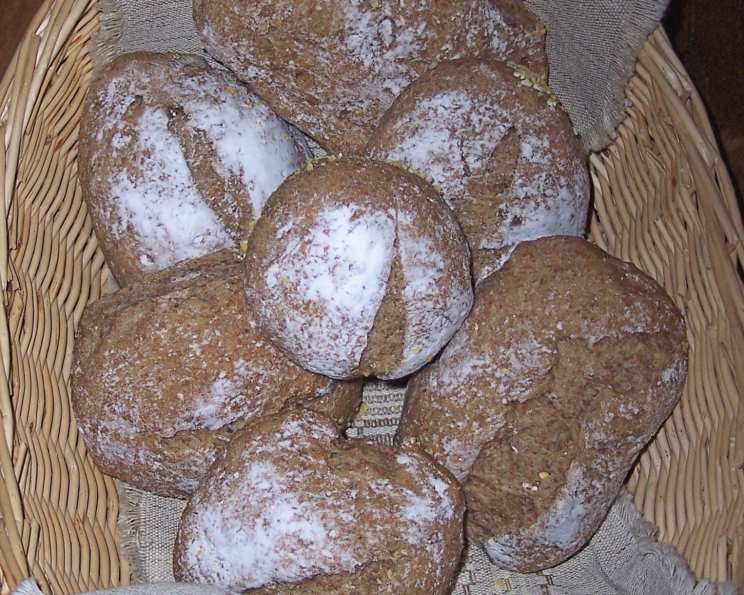
Sourdough Malt Beer Bread: A Culinary Symphony
The first time I tasted a beer bread, it was at a small town festival in Bavaria. The aroma alone, a blend of toasted malt and tangy fermentation, pulled me in. I remember tearing off a chunk of the dense, rustic loaf, the crust crackling satisfyingly. The rich, slightly sweet flavor, perfectly complementing the local beer, made me an instant convert. Recreating that hearty, comforting experience has been a passion ever since, and this Sourdough Malt Beer Bread is my tribute to that unforgettable taste.
Recipe Overview
- Prep Time: 30 minutes
- Cook Time: 30-50 minutes
- Total Time: 12-16 hours + 50-70 minutes (includes sourdough build time)
- Servings: 12
- Yields: 1 loaf
- Dietary Type: Not specified (Can be made vegan by using vegan butter)
Ingredients
-
For the Sourdough Build:
- 2 tablespoons sourdough starter
- 1 cup white bread flour
- ½ cup rye flour
- 1 ½ cups water
-
For the Dough:
- ½ cup malt beer
- 1 ½ teaspoons salt
- 1 tablespoon brown sugar, packed
- 2 tablespoons butter, melted (can substitute vegan butter)
- 1 ½ cups rye flour
- 1 ½ cups white bread flour
Equipment Needed
- Large mixing bowl
- Measuring cups and spoons
- Plastic wrap or damp towel
- Baking sheet or loaf pan
- Sharp knife or lame
- Wire rack
Instructions
- Sourdough Build: In a large bowl, combine the sourdough starter, white bread flour (1 cup), rye flour (½ cup), and water (1 ½ cups). Mix well until a smooth batter forms.
- First Rise: Cover the bowl loosely with plastic wrap or a damp towel and let it sit at room temperature for 12 to 16 hours. This allows the sourdough starter to activate and ferment, creating the characteristic tangy flavor.
- Dough Preparation: After the sourdough build has fermented, measure out 2 cups of the mixture. Discard any extra sourdough build (or save it for another baking project!).
- Combining Ingredients: In a separate large bowl, add the measured sourdough build (2 cups), malt beer (½ cup), salt (1 ½ teaspoons), brown sugar, packed (1 tablespoon), and melted butter (2 tablespoons).
- Mixing the Dough: Gradually add the rye flour (1 ½ cups) and white bread flour (1 ½ cups) to the wet ingredients. Mix until a shaggy dough forms.
- Kneading: Turn the dough out onto a lightly floured surface. Knead the dough for 8-10 minutes, or until it is smooth and satiny. If the dough is too sticky, add a little more flour, one tablespoon at a time, until it becomes manageable.
- Resting: Cover the kneaded dough with plastic wrap or a damp towel and let it rest for 20 minutes. This allows the gluten to relax, making the dough easier to shape.
- Shaping: After the resting period, shape the dough into your desired loaf form. You can create a freeform loaf on a baking sheet or shape it to fit into a loaf pan.
- Proofing: Place the shaped loaf on a baking sheet lined with parchment paper or in a greased loaf pan. Cover the loaf loosely with plastic wrap or a damp towel. Let the dough proof at room temperature until it doubles in size. This may take several hours, depending on the temperature of your environment and the activity of your sourdough starter. Be patient!
- Preheating: When the dough is almost fully proofed, preheat your oven to 375°F (190°C).
- Scoring: Just before baking, use a very sharp knife or lame to slash the top of the loaf. This allows the bread to expand evenly during baking and creates a beautiful crust. Make a single deep slash down the center or create a more decorative pattern.
- Baking: Place the loaf in the preheated oven and bake for 30 to 50 minutes, depending on the shape and size of the loaf. A freeform loaf will typically bake faster than a loaf in a pan.
- Checking for Doneness: The bread is done when it is golden brown and sounds hollow when tapped on the bottom. An internal temperature of 200-210°F (93-99°C) ensures it’s fully baked.
- Cooling: Remove the baked loaf from the oven and immediately remove it from the pan (if used). Place the loaf on a wire rack to cool completely before slicing and serving. This is crucial to prevent a gummy texture.
Expert Tips & Tricks
- Sourdough Starter Activity: A vigorous sourdough starter is key to a successful loaf. Make sure your starter is bubbly and active before starting the recipe. If your starter is sluggish, feed it a few times before using it.
- Beer Selection: The type of malt beer you use will significantly impact the flavor of the bread. Experiment with different varieties to find your favorite! Darker beers like stouts or porters will result in a richer, more complex flavor.
- Scoring Techniques: Practice your scoring technique! A clean, confident slash is essential for a beautiful loaf. Use a sharp knife or a lame (a special bread-scoring tool).
- Steam for Crust: For an extra-crispy crust, create steam in your oven during the first 15 minutes of baking. You can do this by placing a pan of hot water on the bottom rack of your oven.
- Adjust Baking Time: Every oven is different. Keep a close eye on your bread while it’s baking and adjust the baking time as needed. If the crust is browning too quickly, tent the loaf with foil.
Serving & Storage Suggestions
This Sourdough Malt Beer Bread is delicious served warm with butter, cheese, or your favorite spreads. It’s also excellent for sandwiches, toast, or alongside soups and stews.
To store, wrap the cooled bread tightly in plastic wrap or place it in an airtight container. It will keep at room temperature for 2-3 days. For longer storage, you can freeze the bread for up to 2 months. Thaw completely before slicing and serving. To refresh the bread, wrap it in foil and warm it in a 350°F (175°C) oven for 10-15 minutes.
Nutritional Information
| Nutrient | Amount per Serving | % Daily Value |
|---|---|---|
| Calories | 180.5 kcal | – |
| Calories from Fat | 22 g | 12% |
| Total Fat | 2.5 g | 3% |
| Saturated Fat | 1.3 g | 6% |
| Cholesterol | 5.1 mg | 1% |
| Sodium | 306.8 mg | 12% |
| Total Carbohydrate | 34.5 g | 11% |
| Dietary Fiber | 3.2 g | 12% |
| Sugars | 1.4 g | 5% |
| Protein | 4.3 g | 8% |
Variations & Substitutions
- Spelt Flour: Substitute some of the white or rye flour with spelt flour for a nuttier flavor.
- Seeds and Grains: Add seeds like sunflower, pumpkin, or flax to the dough for added texture and nutrition. You could also incorporate cooked grains like oats or barley.
- Dried Fruit: Incorporate dried fruit like raisins, cranberries, or apricots for a touch of sweetness.
- Herbs and Spices: Add fresh or dried herbs like rosemary, thyme, or caraway seeds to the dough for a savory twist.
- Vegan Option: Replace the butter with a vegan butter alternative to make this recipe fully vegan. Ensure your beer is also vegan-friendly, as some beers use animal products in their filtering process.
FAQs (Frequently Asked Questions)
Q: Can I use a different type of beer besides malt beer?
A: Yes, you can experiment with different beers. Stouts and porters will give a richer, darker flavor, while lighter beers like lagers will result in a milder flavor.
Q: My sourdough starter isn’t very active. Can I still make this bread?
A: It’s best to wait until your starter is active, as an inactive starter may not provide enough leavening. Feed your starter regularly for a few days to increase its activity.
Q: How do I know when the dough is properly proofed?
A: The dough should have doubled in size and feel light and airy. Gently poke the dough with your finger; if the indentation slowly springs back, it’s ready to bake.
Q: My bread is browning too quickly. What should I do?
A: Tent the loaf with aluminum foil to prevent it from burning. This will allow the inside of the bread to continue baking without the crust becoming too dark.
Q: Can I make this dough in a bread machine?
A: While possible, this recipe is designed for hand mixing and kneading. Using a bread machine might alter the texture and result in a different outcome.
Final Thoughts
This Sourdough Malt Beer Bread is more than just a recipe; it’s an experience. The tangy aroma of the sourdough, the rich flavor of the malt beer, and the satisfying crunch of the crust come together in perfect harmony. Don’t be intimidated by the sourdough process—embrace it! This recipe is forgiving and allows for creativity. So, gather your ingredients, fire up your oven, and embark on this delicious baking adventure. And when you’re done, share your creations and experiences! This bread pairs beautifully with a hearty stew or a simple cheese board, making it a perfect addition to any gathering.