
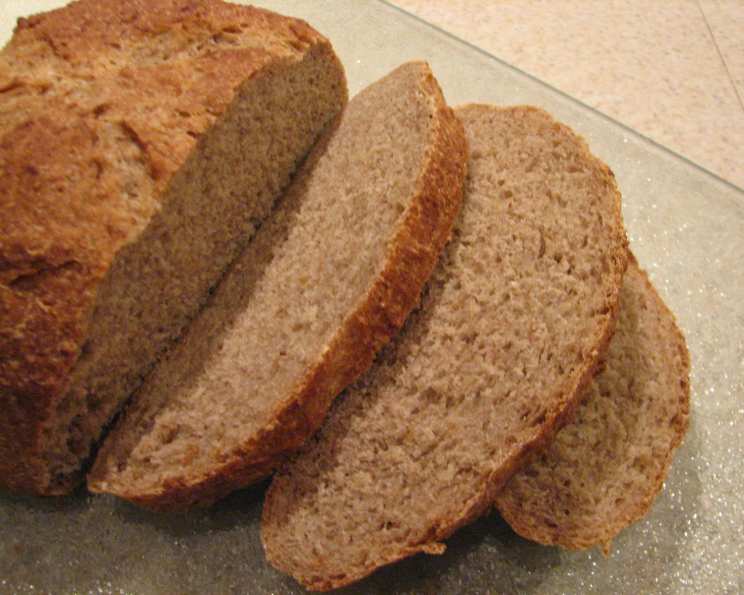
Sourdough Pumpernickel: A Taste of Tradition
The aroma alone can transport me back to my grandmother’s kitchen. I remember her strong hands, dusted with flour, expertly kneading a dark, fragrant dough. The scent of molasses and rye filled the air, a promise of the earthy, slightly sweet bread that would soon grace our table. Sourdough pumpernickel, with its dense crumb and robust flavor, wasn’t just bread; it was a taste of home, a connection to generations past, and a reminder of the simple joy of sharing a meal with loved ones. Every bite tells a story.
Recipe Overview
- Prep Time: 48 hours 30 minutes
- Cook Time: 40-50 minutes
- Total Time: 49 hours 20 minutes (including fermentation and rising)
- Yields: 2 loaves
- Dietary Type: Vegetarian
Ingredients
Rye Starter (Barm)
- 1 cup sourdough starter
- 1 cup coarse whole-rye flour
- ¾ cup water, room temperature
Final Dough
- 2 cups unbleached bread flour
- 2 tablespoons brown sugar
- 1 tablespoon cocoa powder
- 1 ½ teaspoons salt
- 1 ¼ teaspoons instant yeast
- ¾ – 1 cup breadcrumbs, preferably from rye bread (dry or fresh)
- 2 tablespoons vegetable oil
- ¼ cup water, room temperature
For Dusting
- Semolina flour or coarse whole-rye flour
Equipment Needed
- Large mixing bowl
- Plastic wrap
- Lightly oiled bowl
- Counter
- Baking sheet
- Parchment paper (or proofing basket)
- 8 ½ x 4 ½ inch bread pan(s) (optional, for sandwich loaves)
- Baking stone
- Broiler pan or cast-iron skillet
- Spray oil
- Cooling rack
- Thermometer
Instructions
- Prepare the Rye Barm (Starter): In a bowl, combine the proofed sourdough starter, rye flour, and water. Mix until a wet, pasty mixture (barm) forms.
- Ferment the Barm: Cover the bowl with plastic wrap and let it ferment at room temperature for 4 to 5 hours. You’ll know it’s ready when the sponge becomes bubbly and foamy.
- Chill the Barm: Immediately transfer the barm to the refrigerator and let it chill overnight.
- Remove and Temper: Remove the rye barm from the refrigerator one hour before making the dough, allowing it to lose its chill.
- Combine Dry Ingredients: In a large mixing bowl, whisk together the unbleached bread flour, brown sugar, cocoa powder, salt, and instant yeast.
- Add Wet and Dry to Mixer: Add the rye barm, breadcrumbs, and vegetable oil to the dry ingredients in the mixing bowl.
- Mix Initial Dough: Using a mixer with the paddle attachment, mix on low speed until the ingredients form a ball.
- Adjust Hydration: Add additional water (if the dough ball doesn’t pick up all the flour) or more flour (if the dough seems too wet) as needed.
- Knead the Dough: Switch to the dough hook attachment and mix on low speed for 4 to 5 minutes. Add more flour as necessary to create a smooth, pliable dough ball. The dough should be tacky but not sticky.
- Important Note: Over-mixing rye dough can lead to a gummy texture. Make adjustments early in the mixing process and minimize overall mixing and kneading time.
- First Fermentation (Bulk Fermentation): Transfer the dough to a lightly oiled bowl, rotating it to coat it with oil. Cover the bowl with plastic wrap and let it ferment at room temperature for 2 hours, or until doubled in size.
- Divide the Dough: Sprinkle a small amount of flour on the counter. Carefully transfer the dough to the counter, being gentle to avoid degassing it. Divide the dough into two equal pieces.
- Shape the Loaves: Shape each piece of dough into boules (round loaves) or rectangles (for sandwich bread).
- Prepare for Proofing: Line a baking sheet with parchment paper (or use a proofing basket) and sprinkle it with cornmeal, semolina flour, or coarse whole-rye flour. If making sandwich bread, lightly oil 8 ½ x 4 ½ inch bread pan(s).
- Proof the Dough: Transfer the shaped dough to the prepared baking sheet or bread pans. Mist the dough with spray oil and loosely cover with plastic wrap or a towel. Proof at room temperature for approximately 90 minutes, or until the dough crests 1 inch above the lip of the bread pan at the center (for sandwich loaves), or rises to 1 ½ times its original size.
- Preheat Oven: Preheat the oven to 450°F (232°C), placing a baking stone on the middle shelf and a broiler pan or cast-iron skillet on the lower shelf (for steam).
- Score the Loaves: Score the loaves with a sharp knife or lame to allow for expansion during baking.
- Bake with Steam: Transfer the dough to the preheated baking stone. Pour 1 cup of hot water into the steam pan and quickly close the oven door.
- Steam Intervals: After 30 seconds, open the oven door and spray the oven walls with water. Repeat twice more at 30-second intervals.
- Lower Temperature & Continue Baking: After the final spray, lower the oven temperature to 400°F (204°C) and continue to bake for another 20-30 minutes. Check the breads and rotate them 180 degrees, if necessary, for even baking.
- Check for Doneness: When done, the bread should register 200°F (93°C) in the center and sound hollow when thumped on the bottom. (For sandwich loaves, bake until loaves register 185-195°F (85-90°C) in the center and sound hollow when thumped on the bottom.)
- Cool the Loaves: Remove the finished loaves from the oven. If using bread pans, remove the loaves from the pans. Place the loaves on a cooling rack and let them cool for at least 1 hour before slicing.
Expert Tips & Tricks
- Barm Timing: Pay close attention to the fermentation of the rye barm. An over-fermented barm will result in a sour, unpleasant flavor, while an under-fermented barm will lack the necessary leavening power.
- Breadcrumb Magic: Using day-old rye breadcrumbs in the dough adds a wonderful depth of flavor and helps create a more tender crumb. If you don’t have rye breadcrumbs, you can use other breadcrumbs, but the flavor profile will be different.
- Steam is Key: The steam in the initial baking stage is crucial for creating a beautiful crust and allowing the bread to rise fully. If you don’t have a baking stone or broiler pan, you can use a large, oven-safe skillet filled with hot water.
- Don’t Over-Knead: Remember to be gentle with rye dough. Over-kneading can result in a tough, gummy bread.
- Oven Calibration: Every oven is different, so adjust baking times and temperatures as needed. Keep a close eye on the bread during the final stages of baking to prevent burning.
Serving & Storage Suggestions
Sourdough pumpernickel is delicious served warm or at room temperature. Its robust flavor pairs well with creamy cheeses, smoked meats, and hearty soups. Try it with a smear of cultured butter, a slice of sharp cheddar, or as the base for a Reuben sandwich.
To store: Wrap the cooled loaf tightly in plastic wrap or place it in a resealable plastic bag. It will keep at room temperature for 2-3 days. For longer storage, you can freeze the loaf for up to 2 months. Thaw completely before slicing and serving. You can also refresh slightly stale bread by briefly toasting it in the oven.
Nutritional Information
| Nutrient | Amount per Serving (estimated) | % Daily Value* |
|---|---|---|
| Calories | 1068 kcal | – |
| Calories from Fat | 172 kcal | – |
| Total Fat | 19 g | 29% |
| Saturated Fat | 3 g | 14% |
| Cholesterol | 0 mg | 0% |
| Sodium | 2054 mg | 85% |
| Total Carbohydrate | 192 g | 64% |
| Dietary Fiber | 8 g | 32% |
| Sugars | 16 g | – |
| Protein | 30 g | 59% |
| *Percent Daily Values are based on a 2,000 calorie diet. |
Variations & Substitutions
- Sweetness Boost: For a sweeter pumpernickel, increase the amount of brown sugar to 3-4 tablespoons. You can also add a tablespoon of molasses or honey.
- Spice it Up: Add a teaspoon of caraway seeds, fennel seeds, or anise seeds to the dough for a more complex flavor profile.
- Coffee Infusion: Substitute ½ cup of the water with strong brewed coffee for a subtle coffee flavor.
- Rye Flour Blend: Experiment with different types of rye flour, such as medium rye or light rye, to adjust the texture and flavor of the bread.
- Vegan Adaptation: Ensure your sourdough starter is vegan (some use honey to feed it). The recipe is otherwise vegan-friendly.
FAQs (Frequently Asked Questions)
Q: Why is my pumpernickel bread so dense?
A: Pumpernickel is naturally a dense bread due to the high proportion of rye flour. However, ensuring proper fermentation of the starter and bulk fermentation of the dough is essential for achieving the right texture. Over-kneading can also contribute to density.
Q: How do I know when my sourdough starter is ready to use?
A: A ready sourdough starter will be bubbly, active, and have a slightly sour aroma. It should double in size after feeding.
Q: Can I use a bread machine for this recipe?
A: Yes, you can use a bread machine’s dough cycle to mix and knead the dough. Follow your bread machine’s instructions and adjust the liquid as needed. After the dough cycle is complete, proceed with shaping, proofing, and baking as described in the recipe.
Q: What if I don’t have a baking stone?
A: If you don’t have a baking stone, you can bake the bread directly on a baking sheet. It may not have the same crust as bread baked on a stone, but it will still be delicious.
Q: How do I prevent the crust from getting too dark?
A: If the crust is browning too quickly, tent the loaves with aluminum foil during the last 15-20 minutes of baking.
Final Thoughts
This sourdough pumpernickel recipe is more than just instructions; it’s an invitation to create a loaf filled with history, flavor, and the warmth of a home-baked treat. Don’t be intimidated by the longer time frame; the process is meditative, and the reward is a deeply satisfying bread that will elevate any meal. I encourage you to try this recipe, make it your own, and share your creations with those you love. Pair it with a hearty bowl of soup, a cheese board, or simply enjoy it slathered with butter. The possibilities are endless!