
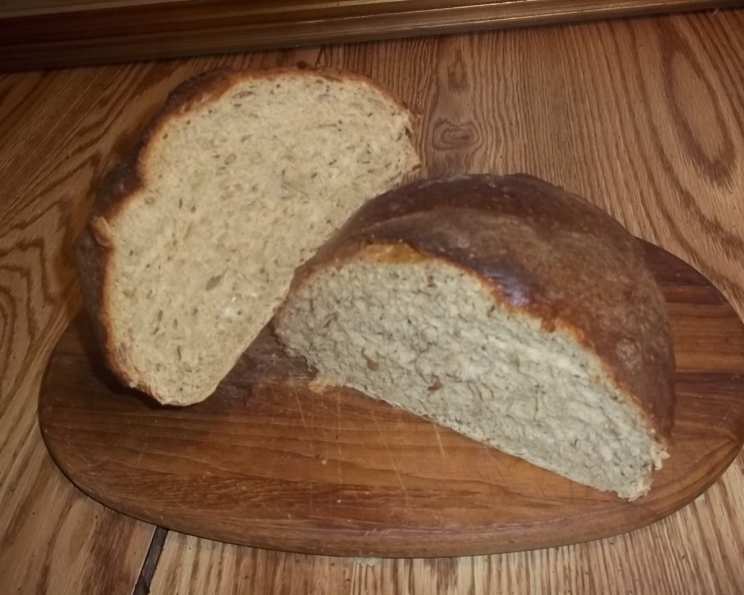
Sourdough Rye: A Rustic Delight
The aroma of freshly baked rye bread always transports me back to my grandmother’s kitchen. I can almost feel the warmth of her wood-burning stove and the comforting weight of the dense, flavorful loaf as she sliced it, slathering each piece with sweet butter. That hearty, earthy taste, a perfect blend of tang and subtle sweetness, is a memory I cherish, and this sourdough rye recipe is my attempt to recreate that magic. The process of making bread is so satisfying, and it gives me a sense of the traditions handed down through generations.
Recipe Overview
- Prep Time: 20 minutes
- Cook Time: 30 minutes
- Total Time: 3 hours 30 minutes (includes rising time)
- Servings: 12
- Yield: 1 loaf
- Dietary Type: Vegetarian
Ingredients
- 2 tablespoons oil
- 1 1/2 teaspoons molasses
- 1 1/2 tablespoons honey
- 1 large egg
- 1/3 cup water
- 1 cup sourdough starter
- 2 1/4 cups all-purpose flour, unbleached
- 3/4 cup rye flour
- 1 1/2 teaspoons salt (or 2 teaspoons kosher salt)
- 2 tablespoons caraway seeds
- 1 1/2 teaspoons instant yeast
- 4 teaspoons vital wheat gluten
Equipment Needed
- Bread machine (optional, for mixing and kneading)
- Mixing bowl (if not using bread machine)
- Baking sheet
- Parchment paper (optional)
- Oven
- Wire cooling rack
- Instant-read thermometer
Instructions
- Place all ingredients into your bread machine pan in the order recommended by the manufacturer. This is crucial for optimal mixing and yeast activation.
- Select the “dough” setting on your bread machine. This setting will mix, knead, and perform the first rise of the dough.
- Keep a close eye on the dough during the first 10 minutes of mixing. The consistency should be slightly tacky but not overly sticky. If the dough seems too dry, add water, one tablespoon at a time, until the desired consistency is achieved. Conversely, if the dough is too wet, add flour, one tablespoon at a time.
- Once the dough cycle is complete, gently remove the dough from the bread machine.
- On a lightly floured surface, shape the dough into your desired loaf shape. A round boule or an oblong loaf works well.
- Place the shaped dough on a baking sheet lined with parchment paper (optional).
- Cover the dough loosely with plastic wrap or a clean kitchen towel and let it rise in a warm place for approximately 1 to 1.5 hours, or until doubled in size. This second rise is essential for developing the bread’s final texture and lightness.
- Preheat your oven to 350°F (175°C). If you have a baking stone, preheating it in the oven will help create a crisper crust.
- Just before baking, use a sharp knife or lame to slash the top of the loaf. This allows the bread to expand during baking and prevents cracking. Aim for a single long slash down the center or a few diagonal slashes.
- Bake the bread for 15 minutes. Then, turn the loaf and bake for another 15 minutes.
- After a total of 30 minutes, test for doneness. An instant-read thermometer inserted into the center of the loaf should register between 195°F and 200°F (90°C and 93°C). If the bread is not yet done, continue baking for a few more minutes, checking the temperature periodically.
- Remove the bread from the oven and place it on a wire rack to cool completely before slicing. Cooling completely is essential to allow the internal structure to set, which will prevent a gummy texture.
Expert Tips & Tricks
- For a more intense rye flavor, try using a dark rye flour in place of some of the all-purpose flour. Start by substituting 1/4 cup and adjust to your preference.
- If you don’t have vital wheat gluten, you can still make the bread, but the texture may be slightly less chewy.
- A longer, slower fermentation (first rise) in the refrigerator can enhance the sourdough flavor. After the initial mix in the bread machine, place the dough in a lightly oiled bowl, cover, and refrigerate for 12-24 hours before shaping and baking.
- Spritzing the oven with water or placing a pan of hot water on the bottom rack during the first 10 minutes of baking can create a steamy environment, which helps develop a crispier crust.
Serving & Storage Suggestions
This sourdough rye bread is fantastic on its own, toasted with butter, or as a base for sandwiches. It pairs wonderfully with cheeses, smoked meats, and hearty soups. To store, wrap the cooled bread tightly in plastic wrap or place it in a bread bag. At room temperature, it will stay fresh for 2-3 days. For longer storage, slice the bread and freeze it in a freezer-safe bag for up to 2 months. Thaw slices at room temperature or in the toaster. To refresh a slightly stale loaf, spritz it lightly with water and bake in a preheated 350°F (175°C) oven for 5-10 minutes.
Nutritional Information
| Nutrient | Amount per Serving | % Daily Value |
|---|---|---|
| Calories | 149 kcal | 7% |
| Total Fat | 3.2 g | 4% |
| Saturated Fat | 0.5 g | 3% |
| Cholesterol | 15.5 mg | 5% |
| Sodium | 298 mg | 12% |
| Total Carbohydrate | 26.3 g | 9% |
| Dietary Fiber | 1.9 g | 7% |
| Sugars | 2.8 g | – |
| Protein | 4.1 g | 8% |
Note: Nutritional information is an estimate and may vary based on specific ingredients and serving size.
Variations & Substitutions
- Darker Rye: Substitute up to half of the all-purpose flour with dark rye flour for a more intense rye flavor and darker color.
- Seed Variations: Experiment with different seeds, such as fennel seeds, sunflower seeds, or sesame seeds, in addition to or instead of caraway seeds.
- Sweetness Adjustment: Adjust the amount of honey and molasses to suit your preferred level of sweetness.
- Vegan Option: Substitute the egg with a flax egg (1 tablespoon flaxseed meal mixed with 3 tablespoons water, let sit for 5 minutes to thicken).
- Herb Infusion: Add a tablespoon of dried herbs like rosemary or thyme to the dough for a savory twist.
FAQs (Frequently Asked Questions)
Q: Can I make this recipe without a bread machine?
A: Absolutely! Simply mix the ingredients in a large bowl, knead by hand for 8-10 minutes until smooth and elastic, then proceed with the rising steps.
Q: My sourdough starter is not very active. Will this affect the bread?
A: Yes, an inactive starter will result in a denser loaf with less sourdough flavor. Ensure your starter is bubbly and doubles in size after feeding before using it in the recipe.
Q: The crust is getting too dark during baking. What should I do?
A: Tent the loaf loosely with aluminum foil to prevent further browning.
Q: Why is my bread gummy in the middle?
A: This usually indicates that the bread was not baked long enough or not allowed to cool completely before slicing.
Q: Can I freeze the sourdough starter?
A: Freezing is not the best way to store sourdough starter as it can damage the cultures. However, you can refrigerate your starter for up to a week between feedings.
Final Thoughts
This sourdough rye bread recipe offers a comforting and rewarding baking experience. Don’t be intimidated by the process; with a little patience and attention to detail, you can create a loaf that’s sure to impress. Embrace the rustic charm of this bread, experiment with different variations, and share the warmth and flavor with friends and family. And most importantly, enjoy the journey of creating something delicious with your own two hands.