
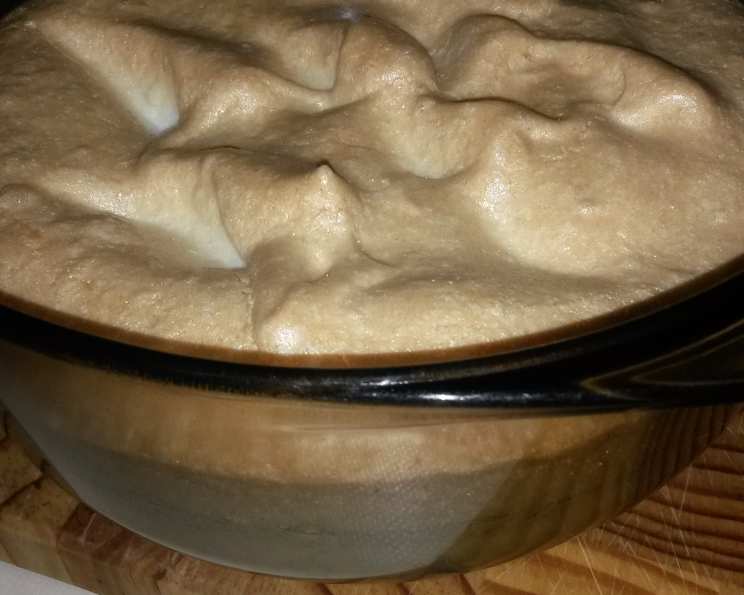
South African Baked Sago Pudding: A Taste of Childhood Comfort
The scent of baked sago pudding instantly transports me back to my grandmother’s farm in the South African countryside. I can almost feel the warmth of the wood-burning stove on my face and see the golden crust of the meringue topping, slightly browned and crackled. This wasn’t just dessert; it was a symbol of love, family, and the simple joys of life, a dish that whispered stories of generations past. I remember eagerly awaiting my portion, knowing that each spoonful would be a sweet, comforting embrace.
Recipe Overview
- Prep Time: 20 minutes
- Cook Time: 45 minutes
- Total Time: 1 hour 5 minutes
- Servings: 6-8
- Yield: 1 pudding
- Dietary Type: Vegetarian
Ingredients
- 4 cups milk
- 1 cup sago
- ½ teaspoon salt
- ½ teaspoon ground nutmeg or ½ teaspoon cinnamon
- ½ cup sugar
- 5 tablespoons butter
- 1 teaspoon vanilla
- 4 eggs, separated
- 5 tablespoons apricot jam
- ½ cup sugar (extra)
Equipment Needed
- Large pudding dish
- Saucepan
- Whisk
- Mixing bowls
- Electric mixer (optional)
Instructions
-
Preheat your oven to 325°F (160°C). Lightly grease a large pudding dish. This will prevent the pudding from sticking and ensure easy serving.
-
In a saucepan, heat the milk to just before boiling. You’ll see small bubbles forming around the edges. Be careful not to scald the milk.
-
Add the sago, salt, and nutmeg (or cinnamon, if preferred) to the heated milk. Stir well to combine.
-
Reduce the heat to very low and simmer, stirring occasionally, until the sago becomes transparent. This usually takes about 15-20 minutes. Keep a close eye on it to prevent sticking to the bottom of the pan.
-
Once the sago is transparent, add the ½ cup of sugar, butter, and vanilla. Stir well until the sugar is dissolved and the butter is melted and fully incorporated into the mixture. Remove the saucepan from the heat.
-
Separate the eggs. Place the yolks in a mixing bowl and the whites in another, larger mixing bowl.
-
Whisk the egg yolks lightly. Then, gradually add the egg yolks to the warm sago mixture, whisking or mixing continuously to prevent them from cooking and scrambling. The mixture should be smooth and creamy.
-
Pour the sago mixture into the prepared pudding dish, spreading it evenly.
-
Spoon blobs of apricot jam all over the surface of the sago pudding. The jam will create pockets of sweet, fruity flavor throughout the pudding.
-
In the larger mixing bowl, whisk the egg whites until stiff peaks form. If using an electric mixer, start on low speed and gradually increase to high speed.
-
Gradually add the extra ½ cup of sugar to the stiff egg whites, whisking continuously until the sugar is fully incorporated and the meringue is glossy and forms stiff, shiny peaks. Be patient; this step is crucial for a stable meringue.
-
Spread the meringue evenly over the sago pudding, ensuring it covers the entire surface. You can create decorative swirls with the back of a spoon for a more appealing presentation.
-
Bake in the preheated oven for approximately 40-45 minutes, or until the meringue is set and lightly browned on top. Keep a close watch to prevent the meringue from burning.
-
Remove the pudding from the oven and let it cool slightly before serving.
Expert Tips & Tricks
-
Preventing a Soggy Bottom: Ensure the sago is cooked until completely transparent before adding the egg yolks. Undercooked sago will result in a watery pudding.
-
Perfect Meringue: The key to a perfect meringue is using a clean, grease-free bowl and ensuring the egg whites are at room temperature. Adding a pinch of cream of tartar can also help stabilize the meringue.
-
Adding Flavor: Experiment with different extracts like almond or lemon in addition to vanilla. A sprinkle of ground cardamom can also add a warm, exotic note.
-
Make-Ahead Tip: The sago mixture can be prepared a day in advance and stored in the refrigerator. Add the egg yolks just before baking. However, the meringue is best prepared just before baking.
Serving & Storage Suggestions
Serve the South African Baked Sago Pudding hot, warm, or cold, depending on your preference. It’s delicious on its own or served with a dollop of fresh cream or custard.
Leftovers can be stored in an airtight container in the refrigerator for up to 3 days. The meringue may deflate slightly during storage, but the flavor will remain delicious. To reheat, gently warm in a low oven or microwave until heated through. Freezing is not recommended as it can affect the texture of both the sago and the meringue.
Nutritional Information
| Nutrient | Amount per Serving | % Daily Value |
|---|---|---|
| Calories | 409 kcal | 20% |
| Total Fat | 19g | 29% |
| Saturated Fat | 11g | 55% |
| Cholesterol | 172mg | 57% |
| Sodium | 412mg | 17% |
| Total Carbohydrate | 52g | 17% |
| Dietary Fiber | 0g | 0% |
| Sugars | 41g | 82% |
| Protein | 10g | 20% |
Variations & Substitutions
- Dairy-Free: Substitute the milk with almond, oat, or soy milk. Use a dairy-free butter alternative.
- Spice it Up: Add a pinch of ground ginger or allspice along with the nutmeg or cinnamon for a more complex flavor profile.
- Fruity Twist: Use different types of jam, such as raspberry, blackberry, or fig jam, instead of apricot jam.
- Citrus Zest: Add the zest of one lemon or orange to the sago mixture for a bright, citrusy flavor.
- Coconut Infusion: Replace half of the milk with coconut milk for a richer, tropical flavor.
FAQs (Frequently Asked Questions)
Q: Can I use tapioca instead of sago?
A: While tapioca is similar, it has larger “beads.” Sago is preferred for this recipe as it cooks more evenly and creates a smoother texture. If using tapioca, you may need to soak it overnight.
Q: My meringue is weeping. What did I do wrong?
A: Weeping meringue is often caused by under-whisking the egg whites or adding the sugar too quickly. Ensure the egg whites form stiff, glossy peaks and add the sugar gradually.
Q: Can I make this pudding ahead of time?
A: Yes, you can prepare the sago mixture a day in advance and store it in the refrigerator. Add the egg yolks and top with the meringue just before baking.
Q: My meringue is browning too quickly. What should I do?
A: If the meringue is browning too quickly, loosely tent the pudding with aluminum foil to protect the top from further browning.
Q: How do I know when the pudding is done?
A: The pudding is done when the meringue is set and lightly browned on top, and the sago mixture is bubbling gently around the edges.
Final Thoughts
South African Baked Sago Pudding is more than just a dessert; it’s a taste of history and a symbol of home. Its creamy texture, sweet flavor, and golden meringue topping make it a truly unforgettable treat. Whether you’re seeking a comforting classic or a taste of South African heritage, this recipe is sure to delight. So, gather your ingredients, preheat your oven, and create a little magic in your kitchen. Don’t hesitate to experiment with variations and make it your own. And most importantly, share it with loved ones and savor the simple joy of a homemade pudding.