
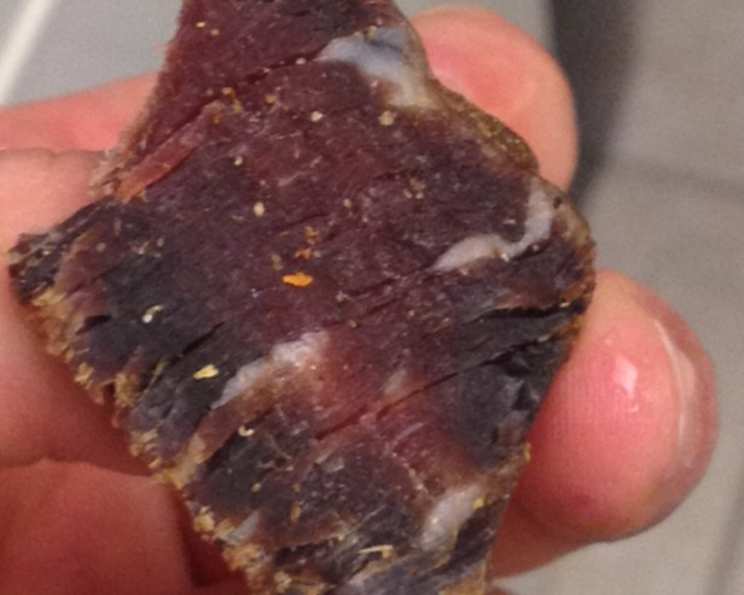
The Art of Biltong: Crafting South Africa’s Prized Air-Dried Beef
The scent of biltong takes me straight back to childhood holidays spent in South Africa. I can almost feel the warm sun on my skin, hear the boisterous laughter of family gatherings, and taste the savory, intensely flavored strips of air-dried beef that were always within arm’s reach. It wasn’t just a snack; it was a symbol of connection, a taste of home shared with loved ones. The anticipation of those first bites, the satisfying chew, the complex blend of spices – it’s a culinary memory etched forever in my mind. Now, I bring that joy to my own kitchen, recreating this South African treasure.
Recipe Overview
- Prep Time: 30 minutes
- Cook Time: 0 minutes (plus 3-20 days drying time)
- Total Time: 30 minutes (plus 3-20 days drying time)
- Servings: Varies depending on the size of the filet
- Yield: Varies depending on the size of the filet
- Dietary Type: High Protein, Gluten-Free, Dairy-Free (naturally)
Ingredients
- 2 kg filet of beef
- 150 ml red wine vinegar
- 50 ml Worcestershire sauce
- 2 tablespoons coriander seeds, coarsely ground
- 1 tablespoon black pepper, coarsely ground
- 50 g fine sea salt
- 150 g brown sugar
- 1 teaspoon bicarbonate of soda
Equipment Needed
- Small to medium sized bowl
- Another bowl for mixing coriander and pepper
- A third bowl for salt, sugar, and bicarbonate of soda
- String for hanging
- Hanging contraption (can be a drying rack, repurposed cupboard, or even a cardboard box with holes)
Instructions
- Begin by preparing the beef. Cut the filet into strips approximately 4 cm (1.5 inches) thick. This thickness is ideal for proper drying and ensures a good balance of texture.
- Pack the meat tightly into a smallish bowl, ensuring the pieces fit snugly together.
- Add the red wine vinegar and Worcestershire sauce to the bowl. This marinade will help tenderize the meat and infuse it with flavor. Let it sit for 30 minutes, allowing the meat to absorb the liquids.
- While the beef is marinating, prepare the spice blends. In one bowl, thoroughly mix the coarsely ground coriander seeds and black pepper.
- In a separate bowl, combine the fine sea salt, brown sugar, and bicarbonate of soda. Ensure these ingredients are well-mixed.
- Remove the beef strips from the vinegar and Worcestershire sauce marinade, but be sure to reserve the marinade; you will need it later.
- Add the beef to the bowl containing the coriander and pepper mixture. Toss the meat around until each strip is evenly coated with the spices. Save any excess spices that don’t adhere to the meat.
- Bury the spiced beef in the salt, sugar, and bicarbonate of soda mixture. Make sure the meat is completely covered. Leave it to cure for 3 hours. This process draws out moisture and further seasons the beef.
- Remove the beef from the salt mixture. Dip each strip briefly back into the reserved vinegar marinade for about 5 minutes.
- Take each piece of beef out of the marinade and wash all the salt off using the vinegar from the bowl. Be very thorough. This step is crucial; otherwise, the biltong will be excessively salty and unpleasant.
- Squeeze the beef to remove as much liquid as possible. This step helps accelerate the drying process.
- Roll the beef strips in the reserved spices once more, ensuring an even coating. The meat is now ready for hanging.
- Cut lengths of string, and tie them tightly around one end of each beef strip.
- Tie the string to the top of your hanging contraption, ensuring that the beef strips hang freely without touching each other or the sides or bottom of the container.
- Leave the strips hanging in a warm, dry place for 3 to 20 days. The exact drying time will depend on the temperature and humidity of your environment, as well as your personal preference for the texture of the biltong. The biltong is ready when the meat is firm and has reached your desired level of dryness. Ideally, it should be “as tough as old boots!”
Expert Tips & Tricks
- Choosing the Right Cut: A filet of beef is ideal due to its tenderness, but you can also use other cuts like silverside or topside. Adjust drying times accordingly, as leaner cuts may dry faster.
- Spice Customization: Feel free to adjust the spices to your liking. Some people add chili flakes for heat or smoked paprika for a smoky flavor.
- Drying Environment: A well-ventilated space is essential. You can use a biltong box with a small fan to ensure proper airflow. Avoid direct sunlight, as it can dry the meat too quickly and create a hard outer layer.
- Vinegar Choice: While red wine vinegar is traditional, you can experiment with other vinegars like apple cider vinegar for a slightly different flavor profile.
- Salt Quality: Using a good quality sea salt is crucial for flavor and preservation. Avoid table salt, as it can contain additives that affect the taste.
Serving & Storage Suggestions
Serve your homemade biltong sliced thinly as a snack, appetizer, or part of a charcuterie board. It pairs well with cheese, crackers, and a cold beer. To store, wrap the biltong in butcher paper or place it in a paper bag and store it in a cool, dry place. It will last for several weeks. For longer storage, you can freeze it in an airtight container. However, freezing may slightly alter the texture.
Nutritional Information
| Nutrient | Amount per Serving (estimated) | % Daily Value |
|---|---|---|
| Calories | 150 kcal | 8% |
| Total Fat | 5g | 8% |
| Saturated Fat | 2g | 10% |
| Cholesterol | 40mg | 13% |
| Sodium | 700mg | 29% |
| Total Carbohydrate | 5g | 2% |
| Dietary Fiber | 0g | 0% |
| Sugars | 4g | |
| Protein | 20g | 40% |
Note: Nutritional information is an estimate and can vary based on specific ingredients and portion sizes.
Variations & Substitutions
- Spice it up: Add a pinch of cayenne pepper or dried chili flakes to the spice mix for a fiery kick.
- Sweet and savory: Incorporate a touch of honey or maple syrup into the marinade for a hint of sweetness.
- Game meat: Experiment with using venison or ostrich for a unique twist on traditional biltong.
- Different Cuts of Beef: As mentioned before, silverside or topside are good alternatives if filet is unavailable.
FAQs (Frequently Asked Questions)
Q: How do I know when the biltong is ready?
A: The drying time depends on your preference. Generally, biltong is ready when it’s firm to the touch and has a slight resistance when bent. Start checking after 3 days and adjust the drying time to achieve your desired texture.
Q: Can I use a dehydrator instead of hanging the meat?
A: Yes, you can use a dehydrator on a low setting (around 85-95°F or 30-35°C) to speed up the drying process. Monitor the meat closely to prevent it from becoming too dry.
Q: What if I don’t have brown sugar?
A: You can substitute white sugar or coconut sugar for brown sugar. However, brown sugar adds a slightly richer flavor.
Q: My biltong is too salty. What did I do wrong?
A: It’s crucial to thoroughly wash off all the salt after the curing process. Be meticulous in rinsing the meat with vinegar to remove excess salt.
Q: Can I make biltong in a humid environment?
A: It’s more challenging to make biltong in a humid environment due to the risk of mold growth. Using a biltong box with a fan and a dehumidifier in the room can help.
Final Thoughts
Creating your own biltong is a labor of love, but the reward is well worth the effort. The rich, savory flavor and satisfying texture of homemade biltong are unmatched. Gather your ingredients, follow the steps, and embark on this culinary adventure. Don’t be afraid to experiment with different spices and drying times to create your own signature biltong. And most importantly, share your creations with friends and family, spreading the joy of this South African delicacy. Enjoy!