
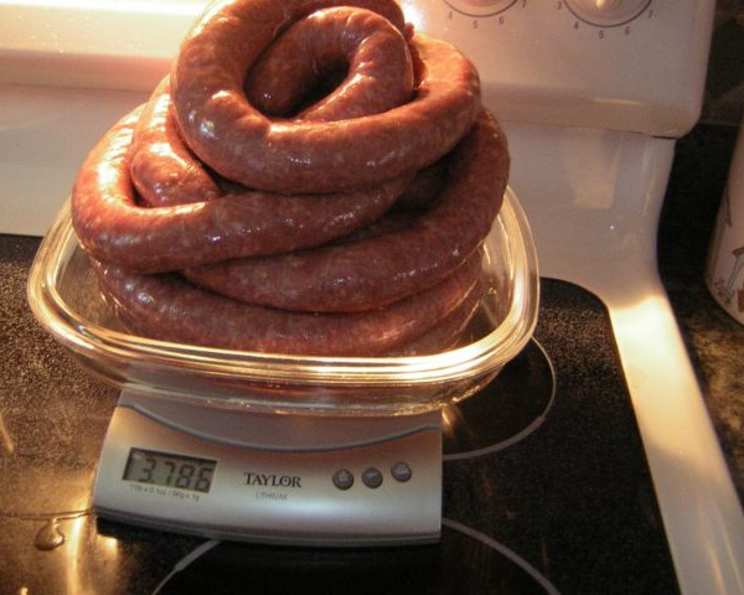
Boerewors: A Taste of South Africa
The aroma of sizzling sausage, wood smoke, and a hint of coriander… just one whiff transports me back to sunny afternoons in Johannesburg. I remember vibrant braais (barbecues) filled with laughter, stories, and the unforgettable taste of boerewors – that coarsely ground, spiced sausage that’s more than just food; it’s a symbol of South African heritage. The first time I tasted it, I knew I had discovered something truly special, a flavor profile unlike anything I’d experienced before.
Recipe Overview
- Prep Time: 45 minutes
- Cook Time: 15 minutes
- Total Time: 1 hour
- Yields: 40 sausages
- Dietary Type: High-Protein
Ingredients
- 2 kg well-matured beef
- 1 kg fatty pork (neck, shoulder, belly)
- 45 ml whole coriander seeds
- 5 ml whole cloves
- 30 ml salt
- 15 ml freshly ground black pepper
- 2 ml grated nutmeg
- 10 ml ground allspice
- 10 ml brown sugar
- 125 ml dry red wine or 125 ml dark vinegar
- 90 g thick sausage casings, soaked in water
Equipment Needed
- Meat grinder (coarse and fine grinding plates)
- Large mixing bowl
- Dry frying pan
- Pestle and mortar
- Sausage stuffer (or KitchenAid attachment)
- Barbecue grill
Instructions
-
If you’re starting with whole cuts of meat, begin by preparing the beef and pork. Trim off any sinew, silver skin, or other tough connective tissues that could negatively impact the sausage’s texture. This step is crucial for achieving that desirable bite. Skip to step 4 if you are using ground beef and pork.
-
To facilitate easier and more efficient mincing, cut the trimmed beef and pork into long, narrow strips approximately 3 inches in diameter. Place these strips in the freezer for about 30 minutes to firm up. The slight chill helps the meat grind more cleanly.
-
Mince the beef and pork using a meat grinder. For a characteristic boerewors texture, use a coarse grinding plate. If you prefer a finer texture, you can opt for a finer plate. The key is to achieve a balance – not too mushy, not too chunky. As the meat is fed through, offer only minimal assistance with the tamper; letting the grinder do the work helps prevent the meat from becoming overworked.
-
After you’ve minced all the meat, mince a piece of bread. This may seem unusual, but it serves an important purpose: it effectively pushes any remaining meat clinging to the mincer through the machine, minimizing waste and maximizing your yield.
-
Now it’s time to develop the signature boerewors spice blend. In a dry frying pan, roast the coriander seeds and cloves over medium heat. Toss them frequently to ensure they brown evenly and release their aromatic oils. Be careful not to burn them, as this will impart a bitter flavor.
-
Once the coriander and cloves are roasted and fragrant, remove them from the pan and allow them to cool slightly. Then, using a pestle and mortar, grind them into a coarse powder. Sift the ground spices to remove any larger husks or pieces.
-
In a large mixing bowl, combine the ground coriander and cloves with the remaining spices: salt, freshly ground black pepper, grated nutmeg, ground allspice, and brown sugar. Sprinkle this spice mixture evenly over the minced beef and pork.
-
Lightly mix in the dry red wine or dark vinegar. Be gentle; avoid overmixing, which can make the sausage tough. The liquid helps to bind the ingredients and adds a subtle tang to the overall flavor profile.
-
Prepare the sausage casings by thoroughly soaking them in water. This rehydrates the casings, making them more pliable and easier to work with. Drain the soaked casings.
-
Place one end of the prepared casings over the filling horn of your sausage stuffer (or the KitchenAid attachment, if using). Carefully push all of the casings onto the horn, leaving a 3-inch length hanging down. Tie a knot in this hanging end of the casing.
-
Sausage making is often easier (and more enjoyable) with a helping hand. If possible, enlist a second person to assist. One person can feed the meat mixture into the stuffer, while the other holds and guides the casings as they fill.
-
Feed the meat mixture into the mincer/stuffer a little at a time. As the casings fill, use a gentle pressure with one hand on the horn to control the unrolling of the casing. This helps to ensure a consistent thickness.
-
Mould the sausage with your hands as it fills to ensure it’s uniformly thick along its entire length. Avoid overpacking the casings, as this can cause them to burst during cooking. At the same time, try to minimize air bubbles, which can affect the texture.
-
After the casing has been completely filled, remove it – still attached to the horn – from the machine. Push any remaining filling into the casing and tie a knot in the open end to seal it.
-
The moment of truth: cooking the boerewors! The traditional method is to BBQ quickly over hot coals. Aim for a crisp skin and a slightly pink center. Don’t overcook!
-
Serve immediately and enjoy the authentic taste of South Africa!
Expert Tips & Tricks
- Spice Roasting Precision: Roasting the coriander and cloves is key to unlocking their full flavor potential. Watch them closely and remove them from the heat just as they become fragrant, before they burn.
- Meat Temperature: Keeping the meat cold throughout the mincing process is crucial for preventing a mushy texture. Partially freezing the meat helps achieve this.
- Casing Handling: Soaking the sausage casings thoroughly makes them more pliable and less prone to tearing.
- Spice Adjustment: Adjust the spice levels to suit your personal taste. If you prefer a milder sausage, reduce the amount of black pepper.
- Even Cooking: When barbecuing, turn the boerewors frequently to ensure even cooking and prevent burning.
Serving & Storage Suggestions
Boerewors is traditionally served grilled, often in a coiled shape, and enjoyed with pap (a type of maize porridge), chakalaka (a spicy vegetable relish), or simply in a bun with mustard. Leftover boerewors can be stored in the refrigerator for up to 3 days. To reheat, gently pan-fry or grill until heated through. For longer storage, freeze cooked boerewors for up to 2 months. Thaw in the refrigerator before reheating.
Nutritional Information
| Nutrient | Amount per Serving | % Daily Value |
|---|---|---|
| Calories | 395 kcal | N/A |
| Fat | 39.2 g | 60% |
| Saturated Fat | 16 g | 79% |
| Cholesterol | 66.8 mg | 22% |
| Sodium | 383.6 mg | 15% |
| Carbohydrate | 0.7 g | 0% |
| Fiber | 0.2 g | 1% |
| Sugars | 0.2 g | 1% |
| Protein | 8.7 g | 17% |
Note: Nutritional information is an estimate and may vary based on specific ingredients and preparation methods.
Variations & Substitutions
- Spice It Up: For a spicier version, add a pinch of chili flakes or a dash of cayenne pepper to the spice blend.
- Venison Boerewors: Substitute some of the beef with ground venison for a unique, gamey flavor.
- Lamb Boerewors: Replace the pork with ground lamb for a different twist on the classic recipe.
- Wine vs. Vinegar: Experiment with different types of red wine or vinegar to find your preferred flavor profile. A balsamic vinegar can add a deeper, richer note.
FAQs (Frequently Asked Questions)
Q: Can I use pre-ground meat to make boerewors?
A: While you can use pre-ground meat, grinding your own allows you to control the texture and quality of the sausage.
Q: What type of sausage casings should I use?
A: Thick, natural sausage casings are ideal for boerewors as they provide a good snap and hold the coarsely ground meat well.
Q: How do I prevent the sausage casings from bursting during cooking?
A: Avoid overfilling the casings and ensure there are no large air pockets. Also, cook over medium heat rather than high heat.
Q: Can I make boerewors ahead of time?
A: Yes, you can make boerewors a day or two in advance and store it in the refrigerator.
Q: What’s the best way to cook boerewors if I don’t have a grill?
A: You can pan-fry or bake boerewors in the oven. Pan-frying provides a nice sear, while baking is a more hands-off approach.
Final Thoughts
Boerewors is more than just a sausage; it’s an experience, a taste of South African culture and heritage. Don’t be intimidated by the process – the rewards of making your own homemade boerewors are well worth the effort. Gather your ingredients, follow the steps, and most importantly, have fun! And after you’ve tasted your first, succulent bite, don’t hesitate to share your creation (and any feedback!) with friends and family. It pairs perfectly with a crisp South African Sauvignon Blanc!