
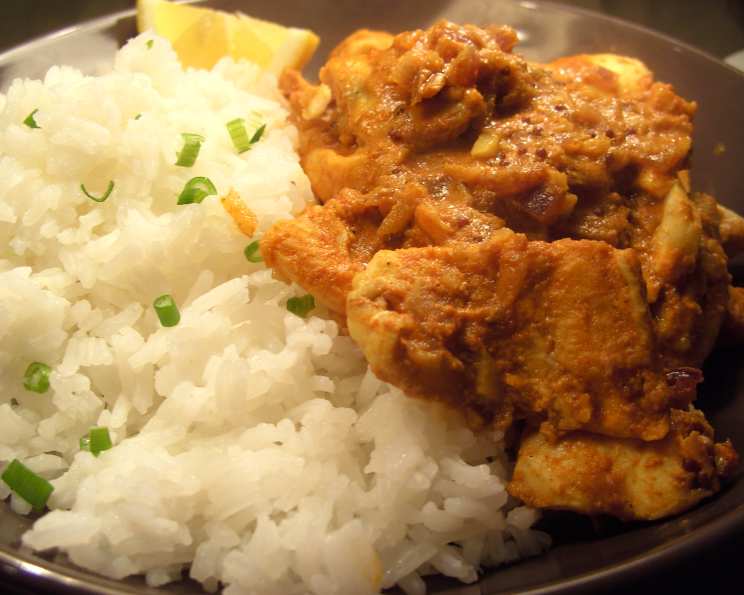
South Indian Fish Curry: A Taste of the Tropics
The scent of this curry instantly transports me back to a small, sun-drenched restaurant in Kerala. Palm trees swayed outside, their shadows dancing on the brightly painted walls, while inside, the air hummed with the chatter of locals and the fragrant steam rising from bowls of ruby-red fish curry. Each bite was an explosion of flavor – the tender fish yielding to the tangy tamarind, the fiery chili balancing perfectly with the cooling coconut rice. It was more than just a meal; it was a vibrant snapshot of a culture, a place, a moment in time that I’ve carried with me ever since.
Recipe Overview
- Prep Time: 15 minutes
- Cook Time: 20-25 minutes
- Total Time: 35-40 minutes
- Servings: 4-5
- Dietary Type: Gluten-Free, Dairy-Free
Ingredients
- 1 kg fish, without pin bones – firm fleshed cut into medium size pieces
- 3 teaspoons oil (preferably Coconut oil)
- A few curry leaves
- 1 shallot, chopped finely
- 1 teaspoon tamarind pulp
- 1 1⁄2 teaspoons ginger-garlic paste
- 3 teaspoons red chili powder
- 1⁄2 teaspoon turmeric powder
- 2 teaspoons coriander powder
- 1 teaspoon fenugreek seeds
- 1 teaspoon mustard seeds
- A pinch of asafoetida powder
Equipment Needed
- Shallow pan or wok
- Mixing bowl
- Measuring spoons
Instructions
-
Begin by thoroughly washing and cleaning the fish. Ensure all scales and any remaining unwanted parts are removed. Pat the fish dry with paper towels. This helps the spices adhere better and allows for a better sear, if desired.
-
In a small mixing bowl, prepare the spice paste. Mix the red chili powder, turmeric powder, and coriander powder with a few drops of water to create a thick, vibrant paste. Adding water gradually is key; you want a consistency that coats the fish well, not a watery slurry.
-
Place a shallow pan or wok over medium heat. Heat the oil. Coconut oil lends an authentic flavor, but any neutral oil will work. Ensure the oil is hot before proceeding to the next step.
-
Add the mustard seeds and fenugreek seeds to the hot oil. Sauté until they begin to splutter. This process, called tempering, releases their aromatic oils and intensifies their flavor. Be careful not to burn them, as this will result in a bitter taste.
-
Add the finely chopped shallots to the pan. Fry them until they are golden brown. Shallots offer a delicate sweetness and depth of flavor. Stir frequently to prevent burning and ensure even cooking.
-
Carefully add the prepared spice paste to the pan with the shallots. Fry for approximately 2 minutes, stirring constantly. This step is crucial for cooking the spices and releasing their full potential. Keep the heat at medium to prevent the spices from burning, which can lead to a bitter taste. Add a splash of water if the paste seems to be sticking or drying out too quickly.
-
Add 1 cup of water to the pan, followed by the tamarind pulp. Bring the mixture to a boil. Tamarind provides a tangy, sour element that balances the spice and richness of the curry. Adjust the amount of tamarind depending on your preference for sourness.
-
Gently add the fish pieces to the simmering curry. Be sure not to overcrowd the pan. Carefully arrange the fish in a single layer to ensure even cooking.
-
Add the curry leaves to the pan, scattering them evenly over the fish. Sprinkle the asafoetida powder from the top. Asafoetida, also known as hing, adds a unique umami depth and digestive benefit to the curry.
-
Cook the fish for 20-25 minutes, or until the fish is cooked through and flakes easily with a fork. The cooking time will vary depending on the thickness of the fish pieces. Gently simmer the curry, avoiding vigorous boiling, which can cause the fish to break apart.
-
Serve hot with rice.
Expert Tips & Tricks
- Fish Selection: Use a firm-fleshed fish like Kingfish (Mackerel), Pomfret, or even cod. Softer fish can fall apart during cooking.
- Spice Level: Adjust the amount of red chili powder to suit your preferred level of spiciness. Kashmiri chili powder offers a vibrant color with less heat.
- Coconut Milk: For a richer, creamier curry, add 1/2 cup of coconut milk during the last 5 minutes of cooking.
- Freshness is Key: Use fresh curry leaves for the best flavor. If fresh leaves are unavailable, dried leaves can be used but will have a milder aroma.
- Pre-soaking Tamarind: If using dried tamarind, soak it in warm water for 30 minutes and extract the pulp for a more intense flavor.
Serving & Storage Suggestions
Serve this South Indian Fish Curry hot with a generous portion of steamed basmati rice or brown rice to soak up the flavorful gravy. It also pairs well with appam (fermented rice pancakes) or idiyappam (string hoppers). Garnish with fresh coriander leaves for added freshness.
Leftovers can be stored in an airtight container in the refrigerator for up to 2 days. For longer storage, freeze the curry in a freezer-safe container for up to 2 months. Reheat gently on the stovetop over low heat, or in the microwave. Add a splash of water if the curry becomes too thick during reheating. Room temperature is not suitable for storage.
Nutritional Information
| Nutrient | Amount per Serving | % Daily Value |
|---|---|---|
| Calories | 250 kcal | 13% |
| Total Fat | 12g | 18% |
| Saturated Fat | 4g | 20% |
| Cholesterol | 80mg | 27% |
| Sodium | 150mg | 7% |
| Total Carbohydrate | 8g | 3% |
| Dietary Fiber | 2g | 8% |
| Sugars | 3g | – |
| Protein | 25g | 50% |
Note: Nutritional information is an estimate and may vary based on specific ingredients and portion sizes.
Variations & Substitutions
- Vegetarian Option: Substitute the fish with paneer (Indian cheese) or tofu for a vegetarian version.
- Seafood Medley: Use a mix of different seafood like prawns, mussels, and squid for a more complex flavor.
- Vegetable Additions: Add vegetables like okra, eggplant, or drumsticks to the curry for added texture and nutrients.
- Coconut Oil Alternative: Use any neutral oil like vegetable or canola oil if you don’t have coconut oil.
- Tamarind Substitute: If tamarind pulp is unavailable, use lime juice as a substitute, but adjust the quantity to taste.
FAQs (Frequently Asked Questions)
Q: Can I use frozen fish for this recipe?
A: Yes, frozen fish can be used. Make sure to thaw it completely before cooking and pat it dry to remove excess moisture.
Q: How can I make this curry less spicy?
A: Reduce the amount of red chili powder used. You can also remove the seeds from the chilies for a milder flavor.
Q: Can I prepare the spice paste in advance?
A: Yes, the spice paste can be prepared a day in advance and stored in the refrigerator. This can save time during cooking.
Q: What is asafoetida, and can I skip it?
A: Asafoetida (hing) is a pungent spice that adds a unique flavor to the curry. If you don’t have it, you can omit it, but the flavor will be slightly different.
Q: How do I know when the fish is cooked through?
A: The fish is cooked through when it flakes easily with a fork and is no longer translucent in the center.
Final Thoughts
I hope this recipe inspires you to embark on your own South Indian culinary adventure. This fish curry is a celebration of flavors and aromas that capture the essence of Kerala. Don’t hesitate to experiment with the ingredients and adjust the spice levels to suit your taste. I’d love to hear your feedback and experiences with this recipe, so please share your thoughts! Pair it with a refreshing glass of lime soda or a chilled Kingfisher beer for the ultimate South Indian experience. Happy cooking!