
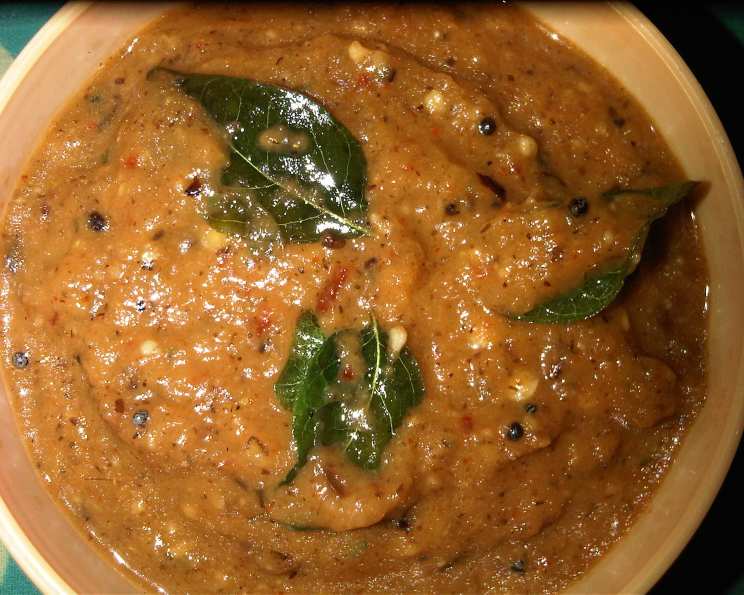
South Indian Onion Chutney: A Fiery Condiment to Awaken Your Palate
The first time I tasted onion chutney, I was at a tiny roadside stall in Chennai. The aroma alone, a tantalizing blend of toasted lentils, chilies, and, of course, onions, was enough to draw me in. I ordered a crisp, paper-thin dosa, and the vendor dolloped a generous spoonful of this vibrant red chutney alongside. The explosion of flavors – spicy, tangy, and slightly sweet – was unlike anything I’d ever experienced. It was a revelation that sparked my lifelong love affair with South Indian cuisine. Since then, I’ve made it my mission to perfect this iconic condiment, and I’m thrilled to share my version with you.
Recipe Overview
- Prep Time: 15 minutes
- Cook Time: 10-20 minutes
- Total Time: 25-35 minutes
- Servings: 4
- Yield: About 1 cup
- Dietary Type: Vegan, Gluten-Free
Ingredients
- 1 teaspoon oil
- ½ teaspoon Urad Dal (split black lentils)
- 3 dried red chilies (adjust to your spice preference)
- 1 pinch asafoetida powder (hing)
- 1 cup grated coconut (fresh or frozen)
- ⅓ cup onion, diced (yellow or white, not red)
- ⅛ teaspoon tamarind paste
- Salt to taste
Equipment Needed
- Small pan or skillet
- Mixing bowl
- Grinder or small food processor
Instructions
- Begin by heating the oil in a small pan over medium heat.
- Add the Urad Dal, dried red chilies, and asafoetida to the heated oil. Fry, stirring frequently, until the Urad Dal turns a light golden color. Be careful not to burn the Urad Dal, as this will impart a bitter taste. This should take about 2-3 minutes.
- Remove the pan from the heat and set the fried spices aside to cool slightly.
- In a mixing bowl, combine the grated coconut, diced onion, tamarind paste, and salt.
- Add the cooled fried red chilli mixture to the coconut and onion mixture.
- Transfer the entire mixture to a grinder or small food processor. Grind until smooth, adding as little water as possible to achieve the desired consistency. Traditional Indian mixers are often better suited for this task than blenders, as they require less liquid to create a smooth paste. However, a food processor will work if used carefully. Pulse in short bursts, scraping down the sides as needed.
- Taste and adjust the salt and tamarind paste as needed. If you prefer a spicier chutney, add a pinch of red chilli powder or another dried red chilli.
- Optional Tempering: For added flavor and aroma, prepare a tempering. In a small pan, heat about a teaspoon of oil over medium heat. Add ½ teaspoon of black mustard seeds, a sprig of curry leaves (about 10-12 leaves), and 1-2 dried red chilies, broken into pieces.
- When the mustard seeds begin to splutter (this will happen quickly, usually within seconds), immediately pour the tempering over the ground chutney. Mix well to incorporate the flavors.
- Addressing Raw Onion Smell (If Necessary): Depending on the type of onion used, the raw onion smell may be overpowering for some palates. If this is the case, heat 1 teaspoon of oil in a pan. Add the prepared chutney to the pan and fry for about 5-10 minutes over medium-low heat, stirring frequently, until the raw smell dissipates. This step also helps to deepen the flavors of the chutney.
Expert Tips & Tricks
- Spice Level: Adjust the number of dried red chilies to control the heat of the chutney. Start with fewer chilies and add more to taste. Remember that the heat will intensify as the chutney sits.
- Coconut Consistency: Freshly grated coconut provides the best flavor and texture. However, frozen grated coconut works well too. If using frozen, thaw it completely and squeeze out any excess water before adding it to the recipe.
- Grinding Technique: The key to a smooth chutney is to grind it in short bursts, adding water sparingly. Over-processing can result in a watery chutney.
- Tamarind Paste: Tamarind paste can vary in strength. Start with a small amount and add more to taste. If you don’t have tamarind paste, you can substitute it with a squeeze of lemon or lime juice, but the flavor will be slightly different.
- Tempering Timing: Add the tempering to the chutney just before serving to maximize its flavor and aroma.
Serving & Storage Suggestions
This South Indian Onion Chutney is a versatile condiment that pairs perfectly with a variety of dishes. Serve it alongside:
- Idli (steamed rice cakes)
- Dosa (thin rice and lentil crepes)
- Uttapam (thick rice and lentil pancakes)
- Vada (savory lentil fritters)
- Rice and curry
- As a spread for sandwiches or wraps
Store leftover chutney in an airtight container in the refrigerator. It will keep for up to 3-4 days. The flavors may intensify over time. Freezing is not recommended as it can alter the texture of the chutney. Reheating is not usually necessary; serve the chutney at room temperature or slightly chilled.
Nutritional Information
| Nutrient | Amount per Serving | % Daily Value |
|---|---|---|
| Calories | 80 kcal | 4% |
| Total Fat | 6g | 8% |
| Saturated Fat | 5g | 25% |
| Cholesterol | 0mg | 0% |
| Sodium | 5mg | 0% |
| Total Carbohydrate | 5g | 2% |
| Dietary Fiber | 2g | 7% |
| Sugars | 2g | |
| Protein | 1g | 2% |
Note: Nutritional information is an estimate and may vary based on specific ingredients and preparation methods.
Variations & Substitutions
- Spicier Chutney: Add more dried red chilies or a pinch of red chilli powder.
- Milder Chutney: Remove the seeds from the dried red chilies before frying them.
- Garlic Onion Chutney: Add 1-2 cloves of garlic to the mixture before grinding.
- Peanut Onion Chutney: Add ¼ cup of roasted peanuts to the mixture before grinding.
- Tomato Onion Chutney: Add ½ cup of chopped tomato to the mixture before grinding.
- Vegan Variation Ensure you are using a vegan brand of asafoetida powder, some may contain wheat.
FAQs (Frequently Asked Questions)
Q: Can I use red onions instead of yellow or white onions?
A: While you can use red onions, yellow or white onions are preferred because they have a milder flavor that blends better with the other ingredients. Red onions can sometimes be too pungent and overpowering.
Q: My chutney is too watery. How can I fix it?
A: If your chutney is too watery, you can try frying it in a pan for a few minutes to evaporate some of the excess moisture. Alternatively, you can add a tablespoon or two of roasted chickpea flour (besan) to thicken it.
Q: How long will the chutney last in the refrigerator?
A: Properly stored in an airtight container, the chutney will last for up to 3-4 days in the refrigerator.
Q: Can I use a blender instead of a grinder or food processor?
A: While a blender can be used, it may require more liquid to achieve a smooth consistency. A grinder or small food processor is generally preferred because they can grind the ingredients with less water.
Q: Can I omit the asafoetida (hing)?
A: Asafoetida adds a unique flavor and aroma to the chutney, but it can be omitted if you don’t have it on hand or don’t like the taste. However, the flavor of the chutney will be slightly different.
Final Thoughts
I hope this recipe inspires you to create your own batch of South Indian Onion Chutney. It’s a simple yet incredibly flavorful condiment that can elevate any meal. Don’t be afraid to experiment with the ingredients and adjust the flavors to suit your own taste preferences. Share your creations with friends and family, and let them experience the magic of this classic South Indian delicacy. And please, let me know how it turns out for you! I always love hearing your feedback. This chutney is also fantastic paired with a cooling raita to balance the heat. Enjoy!