
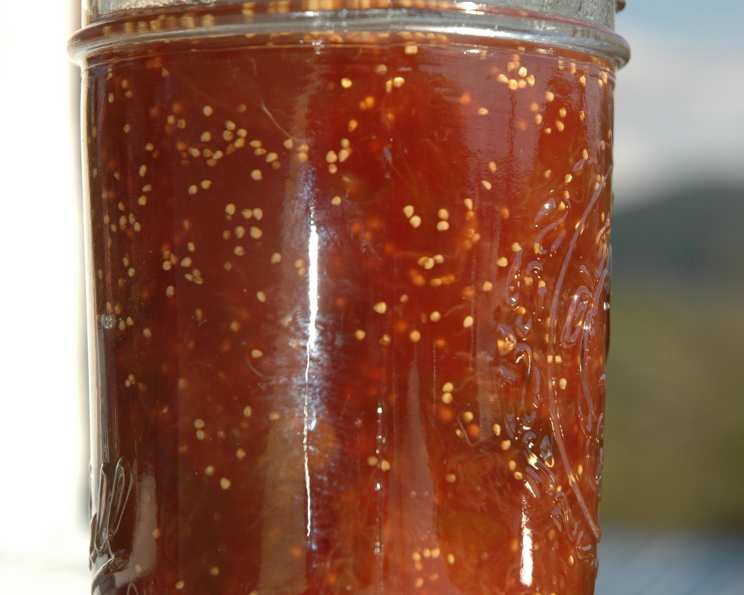
Southern Fig Preserves: A Taste of Sweet Nostalgia
The scent of fig preserves always takes me back to my grandmother’s kitchen in rural Georgia. Sunlight streamed through the gingham curtains as she stirred a bubbling pot, the sweet, earthy aroma filling the air. I remember sitting at her worn wooden table, eagerly anticipating the moment I could slather those rich, jewel-toned preserves onto a warm biscuit, the taste a perfect blend of summer’s sweetness and her boundless love. It’s a taste I’ve tried to recreate countless times, and this recipe, passed down through generations, comes as close as any.
Recipe Overview
- Prep Time: 15 minutes
- Cook Time: Varies, see instructions
- Total Time: Varies, see instructions
- Yields: Approximately 2 pints
- Dietary Type: Vegetarian, Gluten-Free
Ingredients
- 7 cups fresh whole figs
- 3 cups sugar
- 1 lemon, juice of
Equipment Needed
- Large saucepan
- Candy thermometer (optional, but recommended)
- Sterilized canning jars and lids
Instructions
- Begin by preparing your figs. Gently wash them and remove the stems. There’s no need to peel them, as the skin adds valuable texture and flavor to the finished preserves.
- In a large, heavy-bottomed saucepan, combine the whole figs, sugar, and lemon juice. The lemon juice not only adds a touch of brightness but also acts as a natural preservative.
- Place the saucepan over medium heat. Stir constantly until the sugar is completely dissolved. This is a crucial step to prevent scorching.
- Once the sugar is dissolved, bring the mixture to a gentle boil. Reduce the heat slightly to maintain a simmer, and continue to cook, stirring occasionally to prevent sticking.
- This is where patience comes in. The cooking time will vary depending on the ripeness of your figs and your desired consistency. Grandma always used a candy thermometer and cooked the preserves until they reached the soft-ball stage (235-240°F or 112-115°C). If you don’t have a thermometer, you can test for doneness by placing a small spoonful of the preserves onto a chilled plate. If it sets up and wrinkles slightly when you push it with your finger, it’s ready.
- The preserves are ready when the juice is as thick as desired. Keep in mind that the preserves will thicken further as they cool.
- While the preserves are cooking, ensure your canning jars are properly sterilized. There are several methods for sterilizing jars. One common method is to wash the jars and lids in hot, soapy water, rinse well, and then place them in a boiling water bath for 10 minutes. Keep the jars hot until you’re ready to fill them.
- Once the preserves have reached the desired consistency, carefully ladle the hot mixture into the hot, sterilized canning jars, leaving about 1/4 inch of headspace at the top.
- Wipe the rims of the jars clean with a damp cloth, and then place the lids on top. Screw the bands on tightly, but not too tightly.
- Process the filled jars in a boiling water bath for 10 minutes to ensure a proper seal. After processing, carefully remove the jars from the water bath and let them cool completely on a towel-lined surface. As the jars cool, you should hear a “pop” sound, indicating that the lids have sealed properly.
- After cooling, check the seals by pressing down on the center of each lid. If the lid flexes, it is not sealed properly and should be refrigerated and used immediately.
Expert Tips & Tricks
- Fig Variety Matters: Different varieties of figs will yield slightly different flavors and textures. Experiment with different types to find your favorite.
- Pectin Boost: If your figs are not naturally high in pectin, you can add a small amount of powdered pectin to help the preserves set properly. Follow the instructions on the pectin package.
- Lemon Zest: For an extra layer of citrus flavor, add the zest of one lemon along with the juice.
- Spice It Up: A pinch of ground cinnamon, nutmeg, or cloves can add warmth and complexity to the preserves. Add the spices towards the end of the cooking time.
- Don’t Overcook: Overcooked preserves can become too thick and sticky. Err on the side of undercooking, as they will thicken as they cool.
- Skim the Surface: As the preserves cook, foam may form on the surface. Skim this off with a spoon for a clearer final product.
Serving & Storage Suggestions
Southern Fig Preserves are incredibly versatile. Of course, they are heavenly spread on warm biscuits or toast. But don’t stop there! Try them:
- As a topping for yogurt or ice cream.
- As a glaze for grilled meats or poultry.
- As an accompaniment to cheese and crackers.
- As a filling for thumbprint cookies or homemade jam cakes.
Properly sealed Fig Preserves can be stored in a cool, dark place for up to a year. Once opened, refrigerate and use within a few weeks. If you didn’t process your jars in a boiling water bath, store the preserves in the refrigerator immediately.
Nutritional Information
(Estimated per tablespoon serving)
| Nutrient | Amount per Serving | % Daily Value |
|---|---|---|
| Calories | 50 kcal | 3% |
| Total Fat | 0g | 0% |
| Saturated Fat | 0g | 0% |
| Cholesterol | 0mg | 0% |
| Sodium | 0mg | 0% |
| Total Carbohydrate | 13g | 5% |
| Dietary Fiber | 0g | 0% |
| Sugars | 13g | N/A |
| Protein | 0g | 0% |
Variations & Substitutions
- Brown Sugar: Substitute brown sugar for white sugar for a richer, more caramel-like flavor.
- Honey or Maple Syrup: Use honey or maple syrup as a natural sweetener, adjusting the amount to taste.
- Balsamic Fig Preserves: Add a tablespoon or two of balsamic vinegar towards the end of the cooking time for a tangy twist.
- Spiced Rum Fig Preserves: Stir in a splash of spiced rum after removing the preserves from the heat.
- Ginger Fig Preserves: Add finely grated fresh ginger to the preserves while cooking for a warm and spicy flavor.
FAQs (Frequently Asked Questions):
Q: Can I use frozen figs for this recipe?
A: While fresh figs are ideal, you can use frozen figs. Thaw them completely before using and drain off any excess liquid.
Q: How do I know if my jars have sealed properly?
A: After cooling, the lid should be concave and not flex when you press down on the center. If the lid flexes, the jar is not sealed and should be refrigerated.
Q: Can I reduce the amount of sugar in this recipe?
A: Reducing the sugar may affect the setting and preservation of the preserves. It’s generally not recommended to significantly reduce the amount of sugar.
Q: My preserves are too runny. What can I do?
A: If your preserves are too runny, you can cook them for a longer period of time to allow more moisture to evaporate. Alternatively, you can add a small amount of pectin.
Q: How long will these preserves last?
A: Properly sealed preserves can be stored in a cool, dark place for up to a year. Once opened, refrigerate and use within a few weeks.
Final Thoughts
Making Southern Fig Preserves is more than just following a recipe; it’s about connecting with tradition, preserving memories, and savoring the simple pleasures of life. I urge you to give this recipe a try. Share it with your loved ones, and let the sweet taste of summer fill your home. Pair a spoonful with salty goat cheese for an unforgettable combination! Happy preserving!