
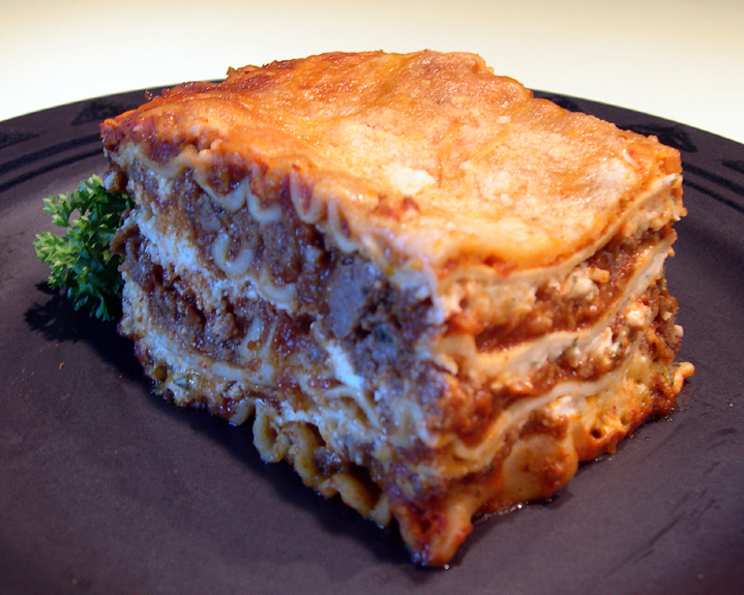
Southern No-Boil Lasagna: A Comfort Food Classic
My grandmother, bless her heart, wasn’t one for fussy recipes. Her kitchen was a haven of simple, soul-satisfying dishes, and her lasagna was the undisputed star. I remember standing on a wobbly stool, mesmerized as she layered ingredients with a practiced hand, humming gospel tunes under her breath. The aroma that filled her house as it baked – a symphony of tomatoes, cheese, and savory beef – is a scent permanently etched in my memory, a reminder of warmth, family, and unconditional love. This recipe, while slightly adapted, aims to capture that same spirit of easy, delicious comfort.
Recipe Overview
- Prep Time: 20 minutes
- Cook Time: 90 minutes
- Total Time: 1 hour 50 minutes
- Servings: 12
- Yield: One 9″ x 13″ Lasagna
- Dietary Type: Not Gluten-Free
Ingredients
For the Sauce:
- 28 ounces prepared spaghetti sauce
- 6 ounces tomato paste
- 1 (10 3/4 ounce) can condensed tomato soup
- 32 ounces tomato juice
- 1 1/2 lbs ground beef, browned and drained
- Italian seasoning, to taste
- 9 ounces lasagna noodles, uncooked
For the Filling:
- 32 ounces cottage cheese
- 16 ounces shredded mozzarella cheese
- 1 cup parmesan cheese
- 2 eggs, lightly beaten
Equipment Needed
- Large skillet or pot for browning beef
- 9″x13″ baking dish
- Mixing bowls
Instructions
-
Preheat your oven to 325°F (160°C). This lower temperature ensures even cooking and prevents the lasagna from drying out.
-
Brown the ground beef in a large skillet or pot over medium-high heat. Make sure to drain off any excess grease to avoid a greasy lasagna. Nobody wants that!
-
In a large bowl, combine the browned ground beef with the prepared spaghetti sauce, tomato paste, condensed tomato soup, and tomato juice. Stir well to ensure everything is evenly mixed. Season generously with Italian seasoning to taste. Don’t be shy; this is where you build the flavor of your sauce.
-
In a separate bowl, mix together the cottage cheese, shredded mozzarella cheese, Parmesan cheese, and lightly beaten eggs. The eggs act as a binder, helping the filling hold its shape. Ensure all ingredients are well combined.
-
Grease a 9″x13″ baking dish. This will prevent the lasagna from sticking and make serving easier.
-
Now for the layering! Start with a layer of sauce in the bottom of the greased baking dish. Use enough sauce to completely cover the bottom.
-
Next, layer the uncooked lasagna noodles over the sauce. You may need to break some noodles to fit, but try to cover as much of the surface area as possible. Make sure to leave a little space around the edges of the noodles for expansion during baking.
-
Spread half of the cottage cheese filling evenly over the noodle layer.
-
Pour another layer of sauce over the cottage cheese filling, ensuring it’s evenly distributed.
-
Repeat the layering process: noodles, remaining cottage cheese filling, and sauce. Remember to leave space around the noodle edges.
-
For the final layer, top with the remaining sauce, ensuring all noodles are covered. This is crucial, as the sauce provides the moisture needed to cook the noodles. The sauce should appear quite soupy at this stage, as the noodles will absorb a significant amount of liquid during baking.
-
Sprinkle additional Parmesan cheese over the top of the lasagna. This will create a beautiful golden crust.
-
Cover the baking dish with aluminum foil and bake for 1 hour. Covering the lasagna prevents the top from browning too quickly and ensures the noodles cook through properly.
-
Remove the foil and continue baking for an additional 30 minutes, or until the lasagna is bubbly in the center and the cheese is melted and lightly browned. The internal temperature should reach 165°F (74°C). If the top is browning too quickly, you can loosely tent it with foil.
-
Let the lasagna rest for at least 15-20 minutes before cutting and serving. This allows the lasagna to set and prevents it from being too runny. This resting period is crucial for a clean and presentable slice.
Expert Tips & Tricks
- Browning the Beef: Don’t overcrowd the pan when browning the ground beef. Brown it in batches to ensure even browning and prevent steaming.
- Sauce Consistency: The sauce needs to be quite soupy, almost watery, to properly cook the no-boil noodles. Don’t be afraid to add a little extra tomato juice if needed.
- Noodle Coverage: While you don’t need to perfectly cover every inch of the lasagna with noodles, aim for good coverage. Small gaps are fine, as the cheese and sauce will fill them in.
- Make-Ahead Option: You can assemble the lasagna a day ahead of time. Cover it tightly with plastic wrap and refrigerate. Add an extra 15-20 minutes to the baking time if baking from cold.
- Cheese Browning: If the cheese isn’t browning enough during the last 30 minutes of baking, you can broil it for a minute or two, but watch it very carefully to prevent burning.
- Spice it Up: For a spicier lasagna, add a pinch of red pepper flakes to the sauce or use a spicy Italian sausage in place of the ground beef.
Serving & Storage Suggestions
Serve the lasagna hot, garnished with fresh basil or parsley, if desired. A simple side salad and some crusty bread are the perfect accompaniments.
Storage:
- Room Temperature: Do not leave lasagna at room temperature for more than 2 hours.
- Refrigerator: Store leftover lasagna in an airtight container in the refrigerator for up to 3-4 days.
- Freezer: For longer storage, wrap individual slices or the entire lasagna tightly in plastic wrap, then in aluminum foil, and freeze for up to 2-3 months.
- Reheating: Reheat lasagna in the oven at 350°F (175°C) until heated through, or in the microwave in 1-2 minute intervals. You may need to add a splash of water or tomato juice to prevent it from drying out during reheating.
Nutritional Information
| Nutrient | Amount per Serving | % Daily Value |
|---|---|---|
| Calories | 538.5 kcal | N/A |
| Calories from Fat | 234 g | 44% |
| Total Fat | 26.1 g | 40% |
| Saturated Fat | 12.7 g | 63% |
| Cholesterol | 123.2 mg | 41% |
| Sodium | 1542.5 mg | 64% |
| Total Carbohydrate | 36.7 g | 12% |
| Dietary Fiber | 2.2 g | 8% |
| Sugars | 13.9 g | N/A |
| Protein | 39.1 g | 78% |
Note: Nutritional information is an estimate and may vary based on specific ingredients used.
Variations & Substitutions
- Vegetarian Lasagna: Replace the ground beef with sautéed vegetables like zucchini, mushrooms, bell peppers, and onions.
- Sausage Lasagna: Use Italian sausage (sweet or spicy) in place of the ground beef for a richer flavor. Be sure to remove the sausage from its casing before browning.
- Ground Turkey Lasagna: Substitute ground turkey for a leaner option.
- Gluten-Free Lasagna: Use gluten-free lasagna noodles. Be sure to check the cooking instructions on the package, as they may differ from regular noodles.
- Dairy-Free Lasagna: Substitute the cottage cheese with a dairy-free ricotta alternative and use dairy-free mozzarella and Parmesan cheese.
- Spice It Up: Add a pinch of red pepper flakes to the sauce or use a spicy Italian sausage in place of the ground beef.
- Herb Boost: Add fresh herbs like basil, oregano, or parsley to the sauce and filling for a more vibrant flavor.
FAQs (Frequently Asked Questions)
Q: Can I use regular lasagna noodles instead of no-boil noodles?
A: Yes, but you will need to cook them according to the package directions before layering them into the lasagna.
Q: Can I freeze the lasagna before baking?
A: Yes, assemble the lasagna as directed, then wrap it tightly in plastic wrap and aluminum foil. Freeze for up to 2-3 months. Thaw completely in the refrigerator before baking, and add an extra 15-20 minutes to the baking time.
Q: Why is my lasagna so watery?
A: This is usually due to not draining the ground beef properly or using too much tomato juice. Make sure to drain the beef well and don’t overdo it with the liquid ingredients. Resting the lasagna after baking also helps to absorb excess liquid.
Q: Can I use ricotta cheese instead of cottage cheese?
A: Yes, you can substitute ricotta cheese for cottage cheese. The texture will be slightly different, but the flavor will be similar.
Q: How do I know when the lasagna is done?
A: The lasagna is done when it’s bubbly in the center, the cheese is melted and lightly browned, and the internal temperature reaches 165°F (74°C). A knife inserted into the center should come out with just a little resistance.
Final Thoughts
This Southern No-Boil Lasagna is more than just a recipe; it’s a taste of home, a hug in a dish. It’s simple enough for a weeknight meal but impressive enough to serve to guests. Don’t be afraid to make it your own by adding your favorite vegetables or spices. I encourage you to gather your family, share this dish, and create some lasting memories of your own. And please, let me know what you think – I’m always eager to hear about your culinary adventures! Pair it with a crisp Chianti for the perfect Italian-American feast.