
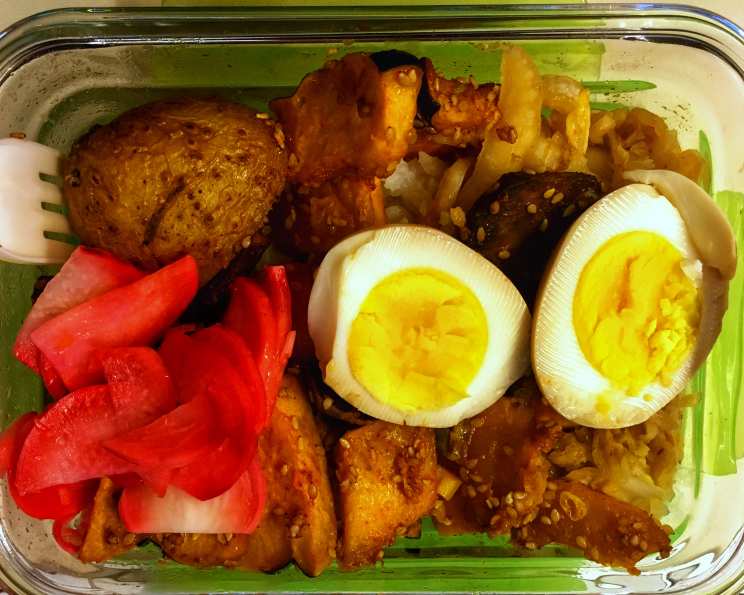
Soy Sauce Eggs: A Culinary Gem
I remember the first time I encountered soy sauce eggs. It wasn’t in a fancy restaurant or a trendy cafe, but at a humble, bustling night market in Seoul. The aroma of savory soy and subtle sweetness wafted through the air, drawing me to a small stall where a vendor was meticulously arranging glistening, mahogany-hued eggs. Each bite was a revelation – the perfectly cooked, jammy yolk contrasting with the subtly salty, umami-rich white. The memory of that simple, yet profound flavor experience has stayed with me, inspiring countless recreations in my own kitchen.
Recipe Overview
- Prep Time: 5 minutes
- Cook Time: 8 minutes
- Marinating Time: 2 hours
- Total Time: 2 hours 13 minutes
- Servings: 6
- Yield: 6 eggs
- Dietary Type: Gluten-Free (check soy sauce ingredients)
Ingredients
- 6 medium eggs
- ¾ cup Korean soy sauce
- 2 tablespoons mirin
- 2 tablespoons rice vinegar
- 6-8 tablespoons water (optional, to thin out marinade if it is too dark)
- 1 teaspoon Vietnamese fried onions per egg (optional, as topping)
- 1 teaspoon chopped scallions per egg (optional, as topping)
Equipment Needed
- Medium saucepan
- Large spoon or ladle
- Ice bath (bowl filled with ice and water)
- Medium bowl or Tupperware container
Instructions
-
Medium Boil Eggs: Bring a pot of water up to a rolling boil. Gently place 6 eggs into the boiling water and set a timer for 7 minutes and 30 seconds. This precise timing is crucial for achieving that perfect, jammy yolk. While the eggs are cooking, prepare an ice bath for them in a separate bowl.
-
When the timer goes off, use a large spoon or ladle to carefully transfer the eggs into the ice bath. Let the eggs cool down completely in the ice water. This step stops the cooking process and makes the eggs easier to peel. This can be done ahead of time for maximum convenience.
-
Prepare the Marinade: In a medium bowl or Tupperware container, pour in ¾ cup of Korean soy sauce, 2 tablespoons of mirin, and 2 tablespoons of rice vinegar.
-
If the marinade appears too dark or concentrated, you can add water to thin it out, 1 tablespoon at a time, until you achieve the desired color. The amount of water needed will depend on the saltiness of your soy sauce. Mix the marinade thoroughly.
-
Marinate the Eggs: Once the eggs are cool enough to handle, carefully peel them. The ice bath should make the shells come off much easier.
-
Place the peeled eggs into the marinade. Ensure the eggs are completely submerged in the soy sauce mixture. If some white bits are peaking out, don’t worry; simply rotate the eggs periodically throughout the marinating process.
-
Monitor the Coloring: Check on the eggs every 30 minutes to observe the coloring of the egg whites. If you want an even color, rotate any eggs that are sticking out of the marinade.
-
Timing is Key: Take the eggs out of the soy sauce mixture once they reach your desired color. The darker the egg white, the more the soy sauce mixture has penetrated the egg. However, avoid letting the eggs marinate for too long, as excessive penetration can compromise the integrity of the medium-boiled yolk. Some recipes suggest marinating the eggs overnight, but that requires a very light soy sauce to prevent them from becoming overly salty.
-
In my experience, a 2-hour marinating time, with rotations every 30 minutes, yields the best results.
-
Serve and Enjoy: Once the eggs have reached your desired level of color and flavor, remove them from the marinade and serve immediately. These are fantastic as a snack, as part of a larger breakfast spread, alongside a bowl of rice, or as a gourmet addition to instant ramen or naengmyeon.
-
Garnish (Optional): If desired, cut the eggs in half and top with a sprinkle of Vietnamese fried onions (or fried shallots) and some chopped scallions.
Expert Tips & Tricks
- Perfectly Cooked Eggs: Achieving the ideal medium-boiled egg is key. Overcooked eggs will have a rubbery texture, while undercooked eggs will be too runny. Practice makes perfect!
- Soy Sauce Selection: The type of soy sauce you use significantly impacts the final flavor. I recommend Korean soy sauce for its balanced umami and subtle sweetness. However, you can experiment with other varieties, such as Japanese soy sauce (shoyu) or even a dark soy sauce (though use sparingly).
- Marinade Customization: Feel free to adjust the marinade to your liking. Add a pinch of red pepper flakes for a touch of heat, or a clove of minced garlic for a more pungent flavor.
- Egg Freshness: Older eggs tend to peel more easily after boiling. If possible, use eggs that are a week or two old for the best results.
- Gentle Handling: Be gentle when peeling the eggs to avoid damaging the delicate whites.
Serving & Storage Suggestions
Soy sauce eggs are best served chilled or at room temperature. They can be enjoyed as a standalone snack, appetizer, or as part of a larger meal. They pair exceptionally well with rice, noodles, vegetables, and even salads.
Store leftover soy sauce eggs in an airtight container in the refrigerator for up to 5 days. The marinade can be reused a few times, provided there are no egg bits in it.
These eggs are not suitable for freezing as the texture of the egg white will be affected.
Nutritional Information
| Nutrient | Amount per Serving | % Daily Value |
|---|---|---|
| Calories | 89 kcal | N/A |
| Total Fat | 4.4 g | 6% |
| Saturated Fat | 1.4 g | 7% |
| Cholesterol | 170 mg | 56% |
| Sodium | 2107 mg | 87% |
| Total Carbohydrate | 2.6 g | 0% |
| Dietary Fiber | 0.3 g | 1% |
| Sugars | 0.9 g | 3% |
| Protein | 9.5 g | 19% |
Variations & Substitutions
- Spicy Soy Sauce Eggs: Add a tablespoon of gochujang (Korean chili paste) to the marinade for a spicy kick.
- Herbal Infusion: Infuse the marinade with fresh herbs such as cilantro, basil, or mint for a fragrant twist.
- Tea-Stained Eggs: Add a strong brewed tea (such as black tea or oolong tea) to the marinade for a more complex flavor profile.
- Vegan Option: While the eggs themselves are not vegan, you can marinate firm tofu in the same soy sauce mixture for a plant-based alternative.
- Adjusting Sweetness: For a sweeter profile, add a teaspoon of honey or maple syrup to the marinade.
FAQs (Frequently Asked Questions)
Q: Can I marinate the eggs for longer than 2 hours?
A: While you can, it’s best to stick to the recommended time. Longer marinating times can make the egg whites too salty and the yolks too firm. If you want to marinate overnight, use a very light soy sauce.
Q: Can I use regular soy sauce instead of Korean soy sauce?
A: Yes, but the flavor will be slightly different. Korean soy sauce tends to be less salty and has a more subtle sweetness. You may need to adjust the amount of soy sauce or water accordingly.
Q: How do I prevent the egg shells from cracking while boiling?
A: Adding a teaspoon of vinegar to the boiling water can help prevent the shells from cracking. Also, avoid overcrowding the pot.
Q: Can I reuse the marinade?
A: Yes, you can reuse the marinade a few times, as long as there are no egg bits in it. Store the marinade in an airtight container in the refrigerator.
Q: What if my eggs are difficult to peel?
A: Make sure the eggs are fully cooled in the ice bath before peeling. You can also try peeling them under running water.
Final Thoughts
Soy sauce eggs are a testament to the beauty of simplicity in cooking. With just a handful of ingredients and a bit of patience, you can create a culinary masterpiece that’s both flavorful and visually appealing. I encourage you to try this recipe and adapt it to your own taste preferences. Don’t be afraid to experiment with different types of soy sauce, herbs, and spices. And most importantly, share your creations with friends and family! Pair these delightful eggs with a crisp cucumber salad and a refreshing glass of iced green tea for a complete and satisfying experience.