
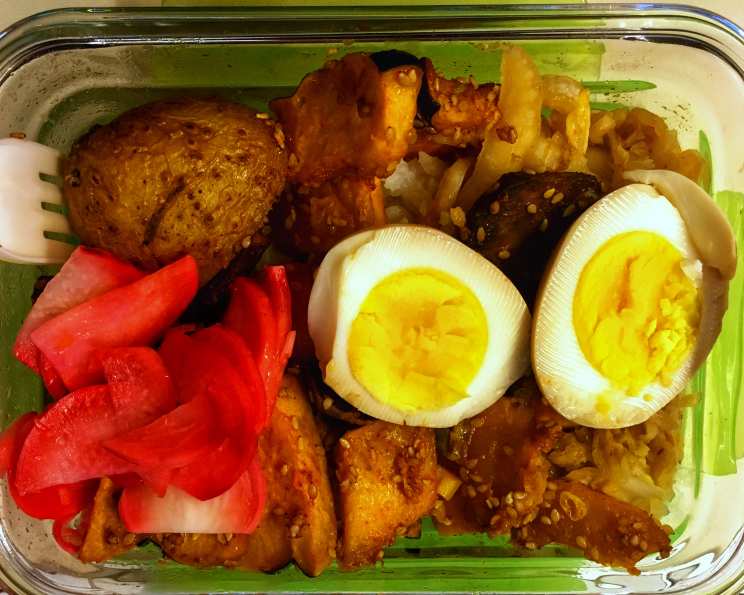
Mastering Soy Sauce Eggs: A Culinary Journey
The first time I tasted a perfectly marinated soy sauce egg, I was transported. It wasn’t just the savory, umami-rich flavor that clung to my palate; it was the delicate dance between the yielding egg white and the custardy yolk. I remember thinking, “This is comfort food, elevated.” That initial bite sparked a fascination that has led me down countless paths of experimentation, each attempt bringing me closer to that ideal balance of flavor and texture. I’ve learned a lot along the way, and I am thrilled to share my insights with you today.
Recipe Overview
- Prep Time: 5 minutes
- Cook Time: 8 minutes
- Marinating Time: 2 hours
- Total Time: 2 hours 13 minutes
- Servings: 6
- Dietary Type: Not Vegetarian (contains eggs)
Ingredients
- 6 medium eggs
- ¾ cup Korean soy sauce
- 2 tablespoons mirin
- 2 tablespoons rice vinegar
- 6-8 tablespoons water (optional, to thin out marinade if it is too dark)
- 1 teaspoon Vietnamese fried onions per egg (optional, as topping)
- 1 teaspoon chopped scallions per egg (optional, as topping)
Equipment Needed
- Medium saucepan
- Large spoon or ladle
- Ice bath (bowl with ice and water)
- Medium bowl or Tupperware container
Instructions
-
Medium Boil Eggs: Bring a pot of water up to a rolling boil. Gently place 6 eggs into the boiling water and set a timer for 7 minutes and 30 seconds. This precise timing is crucial for achieving that perfectly soft, jammy yolk we’re aiming for.
-
Prepare Ice Bath: While the eggs are cooking, prepare an ice bath by filling a bowl with ice and water. This step is non-negotiable! It immediately stops the cooking process, preventing the eggs from overcooking and ensuring that perfect yolk consistency.
-
Cool the Eggs: When the timer goes off, use a large spoon or ladle to carefully transfer the eggs to the ice bath. Let them cool down completely in the ice bath until they are cool enough to handle without burning yourself. This might take 10-15 minutes. This step is very important because, otherwise, they might cook in their residual heat and result in an overcooked egg.
-
Peel the Eggs: Once the eggs are cool enough to handle, gently peel them. A trick for easy peeling is to lightly tap the egg all over on a hard surface to create small cracks in the shell. Then, start peeling from the larger end, working your way around the egg.
-
Prepare Marinade: In a medium bowl or Tupperware container, pour in the soy sauce, mirin, and rice vinegar. Add the water if you feel the marinade is too dark; it will prevent the eggs from becoming overly salty. Mix thoroughly.
-
Marinate the Eggs: Place the peeled eggs into the marinade. Ensure that the eggs are completely submerged. Don’t worry if some white bits are peaking out; just be sure to rotate them during the marinating process.
-
Rotate for Even Coloring: Check on the eggs every 30 minutes to observe the coloring of the egg whites. Rotate any eggs that are sticking out a bit if you desire even coloring. This ensures a beautiful, uniform appearance.
-
Remove from Marinade: Take the eggs out of the soy sauce mixture once they reach your desired color. Remember, the darker the egg white, the more the soy sauce mixture has penetrated the egg. You want to achieve a balance – flavorful, but not overly salty. I like to leave mine in for exactly two hours, rotating the eggs every 30 minutes.
-
Serve and Enjoy: When the eggs are to your satisfaction, take them out of the marinade and serve! These are good in the fridge for up to 5 days. You can reuse the soy sauce mixture a few times as long as there are no egg bits in it.
-
Garnish (Optional): If you’re serving these as a snack or appetizer, consider cutting the eggs in half and topping them with a sprinkle of Vietnamese fried onions or fried shallots (like the ones from Trader Joe’s) and some chopped scallions. The added texture and flavor are simply divine!
Expert Tips & Tricks
- Egg Freshness: Use eggs that are a few days old for easier peeling. Fresh eggs tend to stick to the shell.
- Don’t Overcook: Overcooking the eggs before marinating will result in a rubbery egg white and a dry yolk. Aim for a perfect medium-boiled egg with a custardy center.
- Marinade Strength: If you want a milder flavor, dilute the marinade with more water. For a deeper flavor, reduce the water or even add a splash of sake.
- Adjusting the Time: Adjust marinating time for more color or flavor. Always test your eggs after an hour or two to determine how much more time they need in the marinade.
- Marinade Reuse: The leftover marinade is fantastic for flavoring other dishes. Use it to season stir-fries, noodle dishes, or even as a glaze for grilled meats.
Serving & Storage Suggestions
Soy sauce eggs are incredibly versatile. Enjoy them as a snack straight from the fridge, as part of a Japanese or Korean-inspired breakfast, or sliced atop a bowl of steaming rice. They also elevate instant ramen or naengmyeon to gourmet status.
Store leftover soy sauce eggs in an airtight container in the refrigerator for up to 5 days. It’s best to keep them submerged in the marinade to prevent them from drying out. These are best served cold and not recommended to be reheated.
Nutritional Information
| Nutrient | Amount per Serving | % Daily Value |
|---|---|---|
| Calories | 90 kcal | 5% |
| Total Fat | 4.5g | 6% |
| Saturated Fat | 1.5g | 7% |
| Cholesterol | 170mg | 57% |
| Sodium | 2110mg | 88% |
| Total Carbohydrate | 3g | 1% |
| Dietary Fiber | 0.5g | 2% |
| Sugars | 1g | 2% |
| Protein | 10g | 20% |
Note: Nutritional information is an estimate and may vary based on specific ingredients and preparation methods.
Variations & Substitutions
- Gluten-Free: Ensure that you’re using a gluten-free soy sauce if you have dietary restrictions. Tamari is a great substitute.
- Spicy Kick: Add a finely minced chili pepper or a dash of chili oil to the marinade for a spicy twist.
- Smoked Flavor: Incorporate a small amount of smoked soy sauce into the marinade for a deeper, more complex flavor profile.
- Tea-Smoked Eggs: Experiment with adding tea leaves to the marinade to infuse a smoky, aromatic flavor into the eggs.
FAQs (Frequently Asked Questions)
Q: Can I use regular soy sauce instead of Korean soy sauce?
A: While Korean soy sauce (Ganjang) is preferred for its unique flavor profile, you can use regular soy sauce as a substitute. However, you might need to adjust the amount of water in the marinade to prevent the eggs from becoming too salty.
Q: How long can I store the soy sauce eggs?
A: Properly stored in an airtight container in the refrigerator, soy sauce eggs can last for up to 5 days. Ensure they are submerged in the marinade to maintain their moisture and flavor.
Q: Can I reuse the marinade?
A: Yes, you can reuse the marinade a few times, as long as there are no egg bits in it. Strain the marinade before storing it in the refrigerator. Be mindful that the flavor might weaken with each use.
Q: What if my eggs are overcooked?
A: Unfortunately, if your eggs are overcooked, there’s no way to reverse the process. However, they’ll still absorb the flavor of the marinade, though they may not have that ideal custardy yolk.
Q: Can I freeze soy sauce eggs?
A: Freezing soy sauce eggs is not recommended, as the texture of the egg whites can become rubbery and unpleasant upon thawing.
Final Thoughts
Soy sauce eggs are a testament to the power of simple ingredients transformed by time and technique. I hope this guide has inspired you to embark on your own culinary adventure with these delectable treats. Don’t be afraid to experiment with variations and find what works best for your palate. And be sure to share your creations and experiences – I can’t wait to see what you come up with! Pair these with a comforting bowl of ramen for a delightful, satisfying meal.