
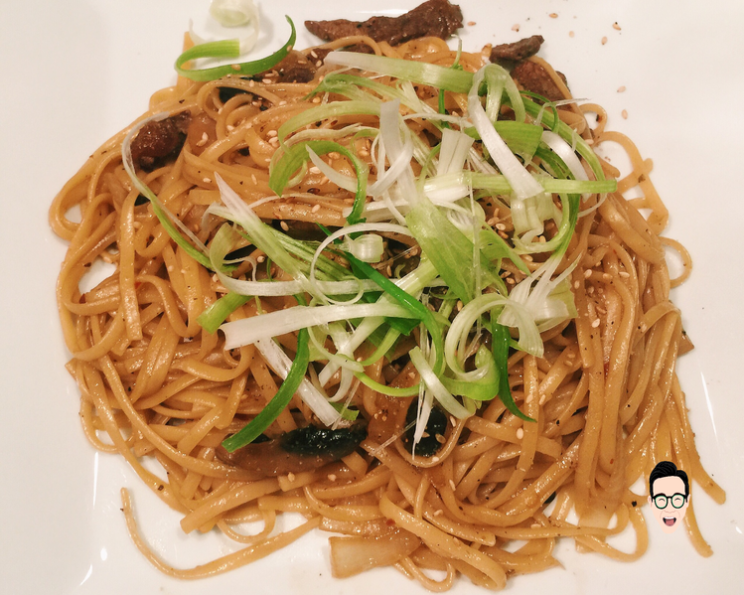
Soy Sauce Pasta: A Flavorful Fusion
The scent of soy sauce always transports me back to my tiny apartment days, when culinary creativity often stemmed from an empty fridge and a well-stocked pantry. This Soy Sauce Pasta, born from one such night, became a staple. I remember experimenting with different vegetables and protein sources, each variation somehow more satisfying than the last. It was a symphony of salty, savory, and slightly sweet flavors, all mingling together in a comforting bowl. Even now, years later, it’s still a dish I turn to for a quick, flavorful, and utterly satisfying meal.
Recipe Overview
- Prep Time: 10 minutes
- Cook Time: 15 minutes
- Total Time: 25 minutes
- Servings: 3
- Dietary Type: Adaptable (can be vegetarian)
Ingredients
- 8 teaspoons soy sauce
- 4 teaspoons tsuyu sauce (optional; can substitute with soy sauce)
- 4 teaspoons honey
- 1 teaspoon sesame oil
- ½ lb spaghetti
- 1 large onion
- 4 white mushrooms
- 1 round steak (can substitute with tofu for a vegetarian option)
- ½ teaspoon garlic powder
- ½ teaspoon salt
- ½ teaspoon pepper
- ½ teaspoon red pepper flakes
- 1 teaspoon chopped scallion (to garnish)
Equipment Needed
- Large pot
- Medium skillet
- Mixing bowl
Instructions
- In a mixing bowl, combine the soy sauce, tsuyu sauce (if using), honey, and sesame oil. Whisk together until well combined and set aside. This is your flavor base.
- Fill a large pot with salted water and bring to a rolling boil. Add the spaghetti and cook until al dente, which means slightly firm to the bite. This usually means cooking it for 1-2 minutes less than the package instructions suggest, so keep a close eye on it. Drain the pasta, but reserve about ½ cup of the pasta water – this can be used to adjust the sauce consistency later if needed.
- While the spaghetti is cooking, prepare the other ingredients. Slice the onion into thin strips and the mushrooms. Season the steak with garlic powder, salt, and pepper. Set the vegetables and seasoned meat aside in separate bowls. If you’re using tofu, press out any excess water, dice it into cubes, and season it similarly.
- Heat a medium skillet over medium-high heat with a drizzle of cooking oil. Once the oil is hot, add the sliced onion and mushrooms. Sauté for 4-5 minutes, or until the onions are translucent and the mushrooms have softened and released their moisture. Add about one-third of the prepared soy sauce mixture to the skillet and stir to coat the vegetables. Continue to sauté for another minute, allowing the sauce to slightly caramelize.
- Remove the vegetables from the skillet and set aside. Add a little more cooking oil to the same skillet if necessary. Add the seasoned steak to the skillet. Sauté for 1-2 minutes, or until the meat is cooked through to your liking. Be careful not to overcrowd the pan; work in batches if necessary to ensure even browning. Add another third of the prepared soy sauce mixture to the skillet and stir to coat the meat. Let it sizzle for a minute or two, then remove from the heat.
- Add the cooked spaghetti and the sautéed onion and mushrooms to the skillet with the steak. Pour the remaining soy sauce mixture over everything and add the red pepper flakes. Toss everything together thoroughly to ensure the pasta, vegetables, and meat are evenly coated in the flavorful sauce. If the sauce seems too thick, add a splash of the reserved pasta water to loosen it up.
- Transfer the Soy Sauce Pasta to serving bowls and garnish with chopped scallions. Serve immediately.
Expert Tips & Tricks
- Don’t overcook the pasta: Al dente pasta holds its shape and texture better when tossed with the sauce. Overcooked pasta can become mushy.
- Adjust the sauce: Taste the sauce before adding it to the pasta and adjust the sweetness or saltiness to your preference. You can add a touch more honey for sweetness or a splash of soy sauce for saltiness.
- Spice it up: If you like a lot of heat, add more red pepper flakes or a dash of chili oil.
- Prep ahead: The sauce can be made ahead of time and stored in the refrigerator for up to 3 days. The vegetables can also be sliced in advance.
- Deglaze the pan: After cooking the steak, deglaze the pan with a tablespoon of sake or mirin for added depth of flavor.
Serving & Storage Suggestions
Serve the Soy Sauce Pasta immediately for the best flavor and texture. Garnish with chopped scallions and a sprinkle of sesame seeds for added visual appeal and flavor.
Leftovers can be stored in an airtight container in the refrigerator for up to 3 days. Reheat in a skillet over medium heat or in the microwave until heated through. You may need to add a splash of water or broth to prevent the pasta from drying out. This dish is best eaten fresh, as the pasta tends to absorb the sauce over time.
Nutritional Information
| Nutrient | Amount per Serving | % Daily Value |
|---|---|---|
| Calories | 426 kcal | N/A |
| Calories from Fat | N/A | N/A |
| Total Fat | 6.7 g | 10% |
| Saturated Fat | 2 g | 9% |
| Cholesterol | 24.3 mg | 8% |
| Sodium | 1308.7 mg | 54% |
| Total Carbohydrate | 71.5 g | 23% |
| Dietary Fiber | 3.9 g | 15% |
| Sugars | 12.6 g | N/A |
| Protein | 20 g | 39% |
Note: Nutritional information is an estimate and may vary based on specific ingredients and portion sizes.
Variations & Substitutions
- Vegetarian: Replace the steak with firm or extra-firm tofu. Press the tofu to remove excess water, dice it into cubes, and pan-fry until golden brown.
- Gluten-Free: Use gluten-free spaghetti or rice noodles. Be sure to check the labels of your soy sauce and tsuyu sauce to ensure they are gluten-free.
- Vegetables: Feel free to add other vegetables such as bell peppers, broccoli, carrots, or snap peas.
- Protein: Chicken, shrimp, or ground pork can be used instead of steak.
- Spicy: Add a drizzle of chili oil or a pinch of cayenne pepper for extra heat.
- Tsuyu Sauce Substitute: If you don’t have tsuyu sauce, simply use an equal amount of soy sauce and a pinch of sugar for a similar flavor profile.
FAQs (Frequently Asked Questions)
Q: Can I make this ahead of time?
A: While it’s best served fresh, you can prepare the sauce and chop the vegetables in advance. Store them separately in the refrigerator and combine them when you’re ready to cook.
Q: Can I use different types of pasta?
A: Absolutely! While spaghetti is traditional, you can use other long pasta shapes like linguine or fettuccine. You can even use shorter pasta shapes like penne or fusilli.
Q: How do I make it vegetarian?
A: Simply replace the steak with tofu or tempeh. Marinate the tofu or tempeh in a little soy sauce and sesame oil before cooking for extra flavor.
Q: Can I freeze the leftovers?
A: Freezing isn’t recommended, as the pasta can become mushy when thawed. It’s best to store leftovers in the refrigerator and consume them within 3 days.
Q: What if I don’t have tsuyu sauce?
A: Tsuyu sauce adds a subtle sweetness and umami flavor, but it’s not essential. You can substitute it with an equal amount of soy sauce and a pinch of sugar.
Final Thoughts
Soy Sauce Pasta is more than just a recipe; it’s an invitation to experiment and create your own flavorful masterpiece. Don’t be afraid to adjust the ingredients and seasonings to your liking. Whether you’re looking for a quick weeknight dinner or a comforting meal to share with friends, this dish is sure to satisfy. So, grab your skillet, gather your ingredients, and embark on a culinary adventure. I’d love to hear about your personal twists and how you made this recipe your own. Enjoy!