
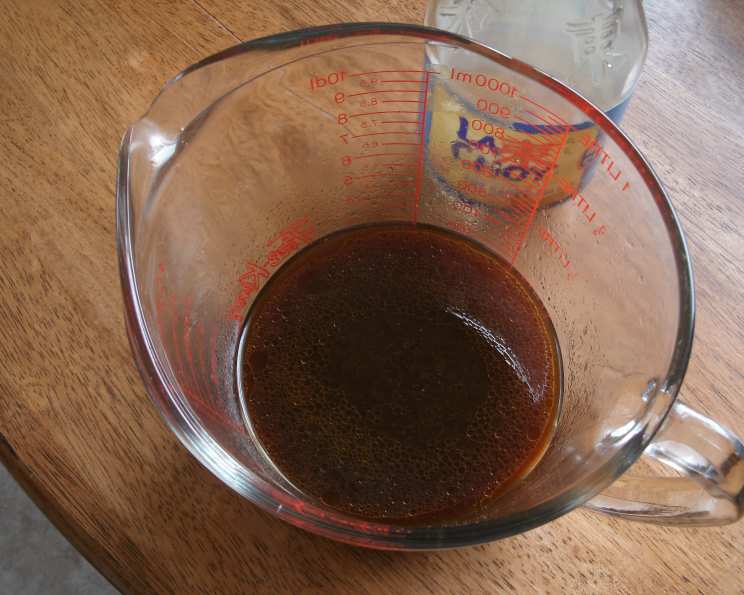
Homemade Soy Sauce Substitute: A Flavorful Alternative
I remember the first time I ran out of soy sauce mid-stir-fry. Panic set in – that umami depth was crucial! After a frantic search online, I stumbled upon a recipe for a homemade substitute. Skeptical but desperate, I whipped it up, and to my surprise, it saved the day! The dish was delicious, and I learned that sometimes, necessity truly is the mother of invention. This recipe is my go-to whenever I’m in a pinch or looking for a lower-sodium option.
Recipe Overview
- Prep Time: 5 minutes
- Cook Time: 5 minutes
- Total Time: 10 minutes
- Yields: 2 cups
- Dietary Type: Can be Gluten-Free
Ingredients
- 3 tablespoons beef bouillon granules
- 1 1/2 cups boiling water
- 1/4 cup cider vinegar, plus 1 teaspoon cider vinegar
- 2 tablespoons sesame oil
- 1 tablespoon dark molasses
- 1 dash pepper
Equipment Needed
- Small bowl
- Jar with a tight-fitting lid
Instructions
-
In a small bowl, mix together the beef bouillon and boiling water. Stir until the bouillon granules are fully dissolved. This creates the savory base of our soy sauce substitute.
-
Stir in the remaining ingredients: 1/4 cup cider vinegar, plus the additional 1 teaspoon cider vinegar, sesame oil, dark molasses, and a dash of pepper. The cider vinegar adds a tangy brightness, the sesame oil lends a nutty aroma, and the molasses provides depth and color. The small addition of one more teaspoon of cider vinegar will ensure you have the right balance and tang.
-
Pour the mixture into a jar with a tight-fitting lid. This is essential for proper storage and prevents spills during shaking.
-
Store in the refrigerator and shake well before using. The mixture benefits from chilling, allowing the flavors to meld together. Shaking ensures that all ingredients are well-combined before each use.
Expert Tips & Tricks
- Bouillon Choice: While beef bouillon is traditional for this recipe, you can experiment with chicken or vegetable bouillon for a different flavor profile. Vegetable bouillon will, of course, make this a vegetarian alternative.
- Gluten-Free Adaptation: Many bouillon granules contain gluten. For a gluten-free version, ensure you use gluten-free bouillon granules and tamari instead of regular soy sauce in any recipe you are using the substitute in.
- Molasses Depth: Dark molasses is recommended for its rich, robust flavor. However, if you only have light molasses, you can use it, but be aware that the color and depth of flavor will be slightly less intense.
- Adjusting Tang: Taste the mixture before refrigerating. If it’s too sweet, add a few more drops of cider vinegar. If it’s too tart, add a tiny bit more molasses.
- Sesame Oil Quality: Use good-quality toasted sesame oil. A little goes a long way, so don’t skimp on the flavor by using a bland oil.
- Enhance the Umami: For an even deeper umami flavor, consider adding a pinch of mushroom powder or a tiny piece of dried shiitake mushroom while the mixture is steeping. Remember to remove the mushroom before using.
Serving & Storage Suggestions
This soy sauce substitute is best used in cooked dishes, marinades, and sauces. It’s not ideal as a dipping sauce on its own, as the flavor is more concentrated.
- Storage: Store the soy sauce substitute in the refrigerator in a sealed jar. It will keep for up to 2 weeks.
- Serving: Use it as a 1:1 replacement for soy sauce in most recipes. Start with a smaller amount and adjust to taste, as the flavor intensity may vary.
- Reheating: No reheating is required, as it’s used cold or incorporated into cooked dishes.
- Freezing: Freezing is not recommended as it may affect the texture and flavor.
Nutritional Information
Note: Nutritional information is an estimate and may vary based on specific ingredient brands and measurements.
| Nutrient | Amount per Serving (1 tbsp) | % Daily Value |
|---|---|---|
| Calories | 15 kcal | 1% |
| Total Fat | 1g | 2% |
| Saturated Fat | 0g | 0% |
| Cholesterol | 0mg | 0% |
| Sodium | 300mg | 13% |
| Total Carbohydrate | 1g | 0% |
| Dietary Fiber | 0g | 0% |
| Sugars | 0.5g | 1% |
| Protein | 0g | 0% |
Variations & Substitutions
- Vegetarian/Vegan: Use vegetable bouillon instead of beef bouillon.
- Lower Sodium: Use low-sodium bouillon granules and reduce the amount by half, adjusting the water accordingly.
- Coconut Aminos: For a slightly sweeter and less salty option, replace half of the bouillon mixture with coconut aminos. This will also add a subtle coconut flavor.
- Fish Sauce Boost: For a richer, more complex flavor, add a teaspoon of fish sauce (omit for vegetarian/vegan diets).
- Spice It Up: Add a pinch of red pepper flakes for a spicy kick.
- Sweetness Adjustment: Adjust the molasses amount to control the sweetness level. Start with less and add more to taste.
FAQs (Frequently Asked Questions)
Q: Can I use this as a direct substitute for soy sauce in any recipe?
A: Yes, you can typically use this as a 1:1 substitute. However, taste as you go and adjust the amount to your preference, as the flavor intensity can vary.
Q: How long does this soy sauce substitute last in the refrigerator?
A: This substitute will last for up to 2 weeks when stored properly in a sealed jar in the refrigerator.
Q: Can I use this for sushi dipping sauce?
A: While you can, it’s not ideal. This substitute is best used in cooked dishes, marinades, and sauces where its concentrated flavor can meld with other ingredients. For sushi, a lighter, more delicate sauce is usually preferred.
Q: Can I make a larger batch of this recipe?
A: Absolutely! Simply scale up the ingredient quantities proportionally. Ensure you have a sufficiently large jar or container for storage.
Q: What if I don’t have sesame oil?
A: While sesame oil contributes significantly to the flavor, you can use another neutral oil like canola or vegetable oil as a substitute. However, the final result will lack the characteristic nutty aroma.
Final Thoughts
Don’t let a missing bottle of soy sauce derail your culinary plans! This homemade substitute is a fantastic way to add that essential umami flavor to your dishes, whether you’re out of soy sauce, watching your sodium intake, or simply looking for a fun kitchen experiment. Give it a try – you might just discover your new go-to secret ingredient! And if you tweak the recipe to make it your own, please share your variations – I’m always eager to learn new culinary tricks! Enjoy!