
Crafting Flavor Without the Salt: A Homemade Soy Sauce Substitute
I’ll never forget the time my grandmother, a fiery Italian woman with a penchant for both cooking and arguing, decided to try her hand at stir-fry. Armed with a wok the size of a small car and a bottle of supermarket soy sauce, she proceeded to create a dish that was, shall we say, memorable. While the vegetables were perfectly crisp-tender and the chicken cooked just right, the overwhelming saltiness rendered it nearly inedible. “Too much saggio!” she declared, using her own mangled version of ‘soy’. Seeing her disappointment, I knew I had to find a way to create the rich, umami flavor she craved without the sodium overload. That’s what led me down the path of creating this low-sodium soy sauce substitute, a project that honors both flavor and health.
Recipe Overview
- Prep Time: 5 minutes
- Cook Time: 0 minutes (plus overnight infusion)
- Total Time: 5 minutes (plus overnight infusion)
- Yield: 1 cup
- Servings: 8
- Dietary Type: Vegan, Gluten-Free, Low-Sodium
Ingredients
- 3/4 cup garlic vinegar (recipe follows)
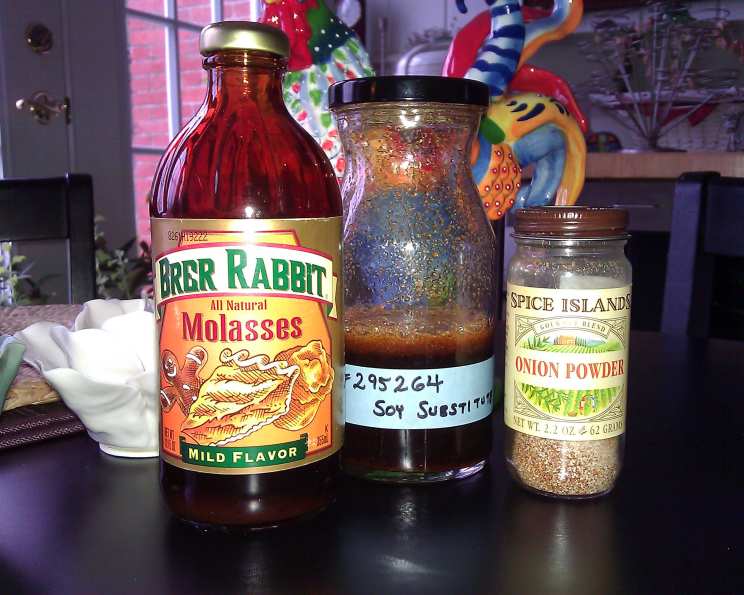
- 3 tablespoons dark molasses, preferably Br’er Rabbit
- 3 teaspoons onion powder, preferably Spice Islands
For the Garlic Vinegar:
- 3/4 cup vinegar (white vinegar is fine, but apple cider vinegar adds a subtle sweetness)
- 2 garlic cloves, sliced
Equipment Needed
- Small saucepan
- Glass jar with lid
- Strainer
Instructions
- Make the Garlic Vinegar (Night Before): Begin by creating the garlic-infused vinegar. Slightly heat the vinegar in a small saucepan. You want it warm, not boiling. This helps the garlic infuse more quickly.
- Infuse the Garlic: Pour the warmed vinegar over the peeled and sliced garlic cloves in a small bowl or jar. Ensure the garlic is submerged. Let this mixture stand overnight to allow the garlic flavor to fully infuse into the vinegar.
- Strain the Vinegar: The next day, strain the garlic vinegar through a fine-mesh strainer, discarding the garlic cloves. This will leave you with a flavorful garlic vinegar base.
- Combine Ingredients: In a glass jar, combine the 3/4 cup garlic vinegar with 3 tablespoons dark molasses and 3 teaspoons onion powder.
- Mix Well: Secure the lid on the jar and shake well until all ingredients are thoroughly combined and the molasses is fully dissolved.
- Refrigerate: Refrigerate the mixture and use as needed. The flavors will continue to meld and develop over time in the refrigerator.
- Warm and Shake Before Using: Before each use, warm the mixture slightly (a few seconds in the microwave or by letting it sit at room temperature) and shake well to ensure the ingredients are properly mixed.
Expert Tips & Tricks
- Molasses Matters: The type of molasses you use greatly impacts the final flavor. Dark molasses, like Br’er Rabbit, provides a richer, more complex flavor that closely mimics the depth of soy sauce. Avoid using blackstrap molasses, as its bitterness can be overpowering.
- Garlic Infusion Variations: Experiment with other aromatics in the garlic vinegar. A small piece of ginger or a dried chili flake can add another layer of complexity.
- Adjusting Sweetness: If you prefer a less sweet soy sauce substitute, start with 2 tablespoons of molasses and adjust to taste.
- Onion Powder Quality: High-quality onion powder will have a more potent and pure onion flavor. Look for brands like Spice Islands, known for their aromatic spices, to ensure the best results.
- Shake It Up: Always shake the mixture well before each use. The ingredients can settle, and shaking ensures a consistent flavor in every dish.
Serving & Storage Suggestions
This homemade soy sauce substitute is incredibly versatile and can be used in a variety of dishes. Use it in stir-fries, marinades, sauces, and even as a dipping sauce. It pairs particularly well with Asian-inspired cuisine.
Store the soy sauce substitute in the refrigerator in an airtight container. It will last for approximately 1 month. Be sure to label the jar with the date to keep track of its freshness.
Nutritional Information
(Estimated per serving, based on 8 servings)
| Nutrient | Amount per Serving | % Daily Value |
|---|---|---|
| Calories | 30 kcal | 1.5% |
| Total Fat | 0g | 0% |
| Saturated Fat | 0g | 0% |
| Cholesterol | 0mg | 0% |
| Sodium | 4mg | 0% |
| Total Carbohydrate | 7g | 2.5% |
| Dietary Fiber | 0g | 0% |
| Sugars | 4g | N/A |
| Protein | 0g | 0% |
Variations & Substitutions
- Vinegar Variations: While white vinegar is a good base, apple cider vinegar offers a touch of sweetness and complexity. Rice vinegar would provide a more authentic Asian flavor profile.
- Spice It Up: Add a pinch of red pepper flakes or a dash of cayenne pepper to the garlic vinegar for a spicy kick.
- Smoked Paprika: A tiny pinch of smoked paprika can add a smoky depth, mimicking the fermented notes of traditional soy sauce.
- Mushroom Powder: For an extra umami boost, consider adding a small amount of dried mushroom powder (available in Asian grocery stores) to the mixture. Start with 1/4 teaspoon and adjust to taste.
- Tamari Note: Although not low-sodium, a tiny drop of high-quality tamari can enhance flavor without significantly raising sodium content (use with extreme caution and adjust other ingredients if necessary).
FAQs (Frequently Asked Questions)
Q: Why do I need to make the garlic vinegar the night before?
A: Infusing the vinegar with garlic overnight allows the garlic flavor to fully develop, creating a more flavorful base for the soy sauce substitute.
Q: Can I use a different type of molasses?
A: Dark molasses is recommended for its rich flavor, but you can experiment with light molasses if you prefer a milder sweetness. Avoid blackstrap molasses, as it can be too bitter.
Q: How long does this soy sauce substitute last?
A: When stored in the refrigerator in an airtight container, this soy sauce substitute will last for approximately one month.
Q: Can I freeze this mixture?
A: While freezing is possible, it’s not recommended. The texture may change slightly, and the flavor may diminish. It’s best to make it fresh as needed.
Q: Can I use this as a 1:1 replacement for soy sauce in recipes?
A: Yes, you can generally use this soy sauce substitute as a 1:1 replacement for soy sauce. However, taste as you go and adjust other seasonings accordingly, as the flavor profile is slightly different.
Final Thoughts
Creating this low-sodium soy sauce substitute is an act of love – a commitment to both flavor and health. It empowers you to enjoy the vibrant tastes of Asian cuisine without the worry of excessive sodium. So, gather your ingredients, embrace the process, and prepare to be amazed by the depth of flavor you can achieve with just a few simple ingredients. I encourage you to experiment, tweak, and make it your own. And please, let me know what delicious creations you come up with! Perhaps try it in a flavorful stir-fry with ginger, garlic, and your favorite seasonal vegetables. Enjoy!