
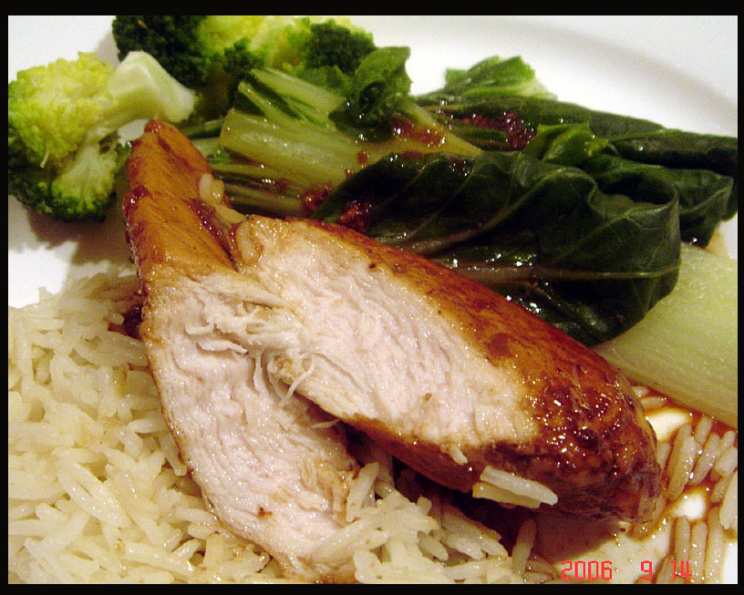
Soy Simmered Chicken: A Taste of Home
The first time I tasted soy-simmered chicken, I was a struggling culinary student, homesick and craving comfort. A generous neighbor, a kind woman named Mrs. Chen, brought over a steaming container of this dish. The aroma alone, a blend of savory soy, warm ginger, and subtle sweetness, was enough to soothe my soul. One bite of the tender chicken, infused with the complex flavors of the simmering sauce, transported me back to my grandmother’s kitchen. It was a simple dish, yet profound in its ability to evoke feelings of warmth, love, and belonging. It’s a recipe I’ve cherished and adapted over the years, always mindful of the simple magic Mrs. Chen shared with me.
Recipe Overview
- Prep Time: 5 minutes
- Cook Time: 15 minutes
- Total Time: 20 minutes
- Servings: 4
- Yield: 4 chicken breasts
- Dietary Type: Gluten-Free (if using gluten-free soy sauce)
Ingredients
- 2 teaspoons sesame oil
- 1 tablespoon shredded ginger
- 1/4 cup soy sauce (low-sodium recommended)
- 1 tablespoon brown sugar
- 1/2 cup Chinese wine (Shaoxing wine) or 1/2 cup dry sherry
- 2 star anise
- 1 cinnamon stick
- 4 chicken breast fillets
Equipment Needed
- Large frying pan or skillet
Instructions
- In a large frying pan or skillet, combine the sesame oil, shredded ginger, soy sauce, brown sugar, Chinese wine (or dry sherry), star anise, and cinnamon stick.
- Place the frying pan over medium-low heat. Allow the mixture to come to a gentle simmer. This will take a few minutes, so be patient and avoid scorching the sugar. The gentle simmering process is crucial for allowing the flavors to meld together beautifully.
- Once the sauce is simmering, gently add the chicken breast fillets to the pan, ensuring they are mostly submerged in the sauce.
- Cook the chicken for 6-7 minutes on each side, or until cooked through. The exact cooking time will depend on the thickness of your chicken breasts. Use a meat thermometer to ensure the internal temperature reaches 165°F (74°C).
- During cooking, gently spoon the simmering sauce over the chicken to ensure it is evenly coated and flavored. The sauce will thicken slightly as it reduces.
- Remove the chicken from the pan and set aside to rest for a minute or two. This allows the juices to redistribute, resulting in a more tender and flavorful result.
- Remove the star anise and cinnamon stick from the sauce before serving. These have imparted their flavor and are not meant to be eaten.
Expert Tips & Tricks
- Ginger Power: Freshly shredded ginger is key for the best flavor. Avoid using powdered ginger, as it lacks the vibrant pungency of the fresh root.
- Wine Choice: Shaoxing wine adds an authentic Chinese flavor. If you can’t find it, dry sherry is a perfectly acceptable substitute. You can also use cooking sake.
- Low Sodium Soy Sauce: To control the sodium content, use low-sodium soy sauce. You can always add a pinch of salt to taste if needed.
- Doneness Check: Don’t rely solely on the cooking time. Always use a meat thermometer to ensure the chicken is cooked through to 165°F (74°C). Insert the thermometer into the thickest part of the breast, avoiding bone.
- Sauce Consistency: If the sauce is too thin at the end of cooking, you can remove the chicken and simmer the sauce for a few more minutes until it reaches your desired consistency.
- Marinating: For an even more intense flavor, marinate the chicken in the soy sauce mixture for at least 30 minutes (or up to overnight) before cooking.
- Browning: If you desire a more caramelized look, sear the chicken breasts in a separate pan before adding them to the simmering sauce. This will add depth of flavor and visual appeal.
Serving & Storage Suggestions
Serve the soy simmered chicken hot, drizzled generously with the sauce from the pan. Accompany it with steamed rice and your favorite green vegetables, such as broccoli, bok choy, or green beans. A sprinkle of sesame seeds and chopped green onions adds a nice finishing touch.
Leftovers can be stored in an airtight container in the refrigerator for up to 3 days. To reheat, gently warm the chicken in a pan over low heat with a little of the sauce, or microwave in short intervals until heated through. The chicken can also be frozen for longer storage (up to 2 months). Thaw completely before reheating. It is not recommended to leave the chicken at room temperature for longer than 2 hours.
Nutritional Information
| Nutrient | Amount per Serving | % Daily Value |
|---|---|---|
| Calories | 250 kcal | 13% |
| Total Fat | 8g | 12% |
| Saturated Fat | 1.5g | 8% |
| Cholesterol | 85mg | 28% |
| Sodium | 800mg | 35% |
| Total Carbohydrate | 8g | 3% |
| Dietary Fiber | 1g | 4% |
| Sugars | 5g | – |
| Protein | 35g | 70% |
Note: Nutritional information is an estimate and may vary based on specific ingredients and portion sizes.
Variations & Substitutions
- Gluten-Free: Ensure you use gluten-free soy sauce (tamari) to make this dish gluten-free.
- Spicy Kick: Add a pinch of red pepper flakes or a sliced chili pepper to the sauce for a spicy kick.
- Sweet and Savory: Increase the amount of brown sugar for a sweeter flavor profile. You could also add a drizzle of honey at the end.
- Vegetarian Option: Substitute the chicken with firm tofu, cut into cubes. Press the tofu to remove excess water before adding it to the simmering sauce.
- Chicken Thighs: Use boneless, skinless chicken thighs instead of chicken breasts for a richer flavor. Adjust the cooking time accordingly.
- Ginger-Garlic Boost: Add a clove or two of minced garlic along with the ginger for an extra layer of flavor.
FAQs (Frequently Asked Questions)
Q: Can I use regular sugar instead of brown sugar?
A: While brown sugar is preferred for its molasses notes, you can substitute it with granulated sugar. However, the flavor will be slightly different.
Q: How do I prevent the chicken from drying out?
A: Avoid overcooking the chicken. Use a meat thermometer to ensure it reaches 165°F (74°C) and spoon the sauce over the chicken during cooking to keep it moist.
Q: Can I make this dish ahead of time?
A: Yes, you can prepare the sauce ahead of time and store it in the refrigerator for up to 2 days. Cook the chicken just before serving for the best results.
Q: What other vegetables can I serve with this dish?
A: Steamed or stir-fried vegetables like broccoli, asparagus, snap peas, and mushrooms all pair well with soy simmered chicken.
Q: Can I use chicken tenders instead of chicken breasts?
A: Yes, chicken tenders will work. Reduce the cooking time accordingly, as they cook faster than chicken breasts.
Final Thoughts
Soy simmered chicken is more than just a recipe; it’s a culinary hug. Its simple ingredients and easy preparation belie the depth of flavor and comfort it provides. Whether you’re seeking a quick weeknight meal or a dish that evokes feelings of home, this recipe is sure to satisfy. I encourage you to try it, experiment with variations, and make it your own. And don’t forget to share your culinary creations with loved ones. After all, food is best enjoyed when shared!