
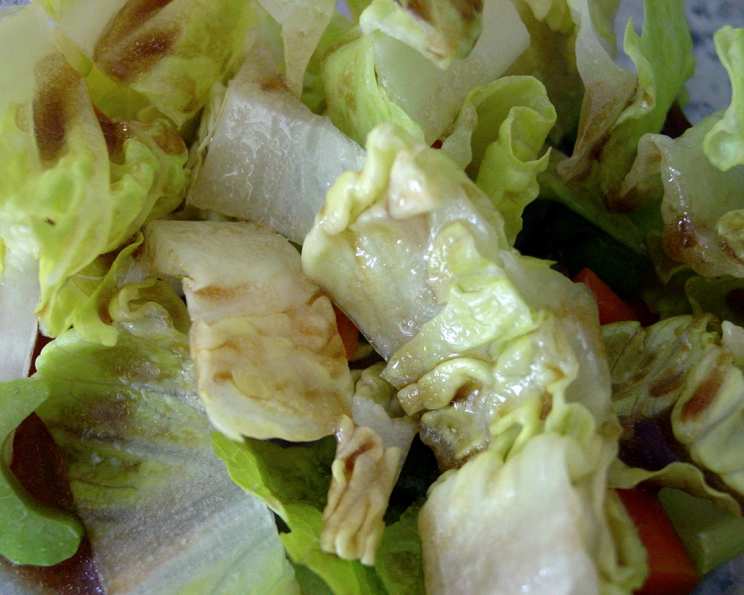
The Zesty Secret: Crafting the Perfect Soy Vinaigrette
My earliest memory of soy vinaigrette doesn’t involve a delicate salad or an artfully plated dish. No, my introduction came in the form of a playful dare from my grandfather, a man whose culinary curiosity knew no bounds. He’d caught me sneaking a taste of his homemade dressing, a vibrant concoction he insisted needed “a little kick.” Before I knew it, I was puckering my way through a capful of the stuff, the tangy vinegar and salty soy sauce creating a flavor explosion that both shocked and delighted my young taste buds. It was an unexpected, borderline chaotic introduction, but it sparked a lifelong love affair with the versatility and bold character of a well-made soy vinaigrette.
Recipe Overview
- Prep Time: 3 minutes
- Cook Time: 0 minutes
- Total Time: 3 minutes
- Yields: 1 cup
- Dietary Type: Vegan, Gluten-Free (if using tamari)
Ingredients
- ½ cup olive oil
- ⅓ cup apple cider vinegar
- ¼ cup soy sauce (or tamari for gluten-free)
- 1 clove garlic, crushed (optional)
Equipment Needed
- Jar or cruet with a tight-fitting lid.
Instructions
- In a jar or cruet, combine the olive oil, apple cider vinegar, and soy sauce (or tamari).
- If desired, add the crushed garlic to the mixture.
- Secure the lid tightly.
- Shake the jar or cruet vigorously until the ingredients are fully emulsified and the dressing appears homogenous. This is crucial for the oil and vinegar to properly combine.
- Before each use, be sure to shake the dressing well, as the ingredients may separate over time.
Expert Tips & Tricks
The beauty of soy vinaigrette lies in its simplicity and adaptability. While the base recipe is straightforward, a few tweaks can elevate it to new heights.
- Emulsification is Key: Achieving a stable emulsion – where the oil and vinegar stay blended – is essential. Shaking vigorously is the simplest method, but a small whisk can also be used. For a more permanent emulsion, consider using a blender or immersion blender. Just be cautious not to over-blend, as this can sometimes cause the dressing to become too thick.
- Garlic Infusion: For a more subtle garlic flavor, add the crushed clove a few hours before serving and then remove it. This infuses the oil without the harshness of raw garlic. Alternatively, use garlic-infused olive oil for a smoother flavor.
- Sweetness Adjustment: Some palates prefer a touch of sweetness to balance the acidity and saltiness. A teaspoon of maple syrup, agave nectar, or even a pinch of brown sugar can work wonders. Start small and adjust to your liking.
- Acidic Alternatives: While apple cider vinegar is a classic choice, feel free to experiment with other vinegars. Rice vinegar offers a milder, slightly sweet flavor, while balsamic vinegar adds a rich, complex depth. Lemon or lime juice can also be used for a brighter, citrusy twist.
- Herbaceous Notes: Fresh herbs can transform the vinaigrette. Try adding finely chopped chives, parsley, cilantro, or basil. Dried herbs can also be used, but use them sparingly as their flavor is more concentrated.
Serving & Storage Suggestions
Soy vinaigrette is incredibly versatile and can be used in a multitude of ways.
- Salad Dressing: This is the most obvious application. Drizzle it over mixed greens, Asian-inspired salads, or even a simple cucumber and tomato salad.
- Marinade: The soy sauce and vinegar act as a tenderizer and flavor enhancer for meats, poultry, and tofu. Marinate for at least 30 minutes, or up to several hours in the refrigerator.
- Dipping Sauce: Serve it as a dipping sauce for spring rolls, dumplings, or grilled vegetables.
- Noodle Dressing: Toss it with cooked noodles (soba, udon, or ramen) for a quick and flavorful meal.
- Grain Bowl Enhancer: Drizzle it over grain bowls made with quinoa, rice, or farro to add moisture and flavor.
Storage: Store soy vinaigrette in an airtight container in the refrigerator for up to 1 week. The oil may solidify at cooler temperatures, so allow it to come to room temperature for a few minutes and shake well before using. Due to the fresh ingredients, it is not recommended to store it at room temperature. Freezing is not recommended as it can affect the emulsion and texture.
Nutritional Information
(Estimated per serving, based on approximately 16 servings per cup)
| Nutrient | Amount per Serving | % Daily Value |
|---|---|---|
| Calories | 64 kcal | 3% |
| Total Fat | 6.9g | 11% |
| Saturated Fat | 1.0g | 5% |
| Cholesterol | 0mg | 0% |
| Sodium | 572mg | 24% |
| Total Carbohydrate | 0.4g | 0% |
| Dietary Fiber | 0.0g | 0% |
| Sugars | 0.1g | 0% |
| Protein | 0.3g | 1% |
Note: Nutritional information is an estimate and may vary based on specific ingredients and portion sizes.
Variations & Substitutions
The basic soy vinaigrette recipe is a fantastic starting point, but don’t be afraid to experiment and create your own signature version.
- Spicy Kick: Add a pinch of red pepper flakes, a dash of sriracha, or a finely minced jalapeño for a fiery twist.
- Sesame Infusion: Replace some of the olive oil with sesame oil for a nutty, Asian-inspired flavor. A teaspoon of toasted sesame seeds also adds texture and aroma.
- Ginger Zing: Grate a small piece of fresh ginger into the dressing for a warm, aromatic note.
- Citrus Burst: Add the zest of a lemon, lime, or orange for a bright, refreshing flavor.
- Miso Magic: Whisk in a teaspoon of miso paste for a savory, umami-rich depth. Use white or yellow miso for a milder flavor, or red miso for a bolder taste.
- Sweet & Sour: Add a tablespoon of honey, rice wine vinegar, and a pinch of ginger for a sweet and sour dressing.
FAQs (Frequently Asked Questions)
Q: Why is my soy vinaigrette separating?
A: Oil and vinegar naturally separate. Be sure to shake the dressing vigorously before each use to re-emulsify it. Using an emulsifier like mustard or honey can also help stabilize the mixture.
Q: Can I use a different type of oil?
A: Absolutely! While olive oil is a classic choice, you can experiment with other oils like avocado oil, grapeseed oil, or sesame oil, depending on the flavor profile you’re aiming for.
Q: How long does soy vinaigrette last?
A: When stored properly in an airtight container in the refrigerator, soy vinaigrette can last for up to 1 week.
Q: Can I make this ahead of time?
A: Yes, soy vinaigrette can be made ahead of time. In fact, allowing it to sit for a few hours can enhance the flavors. Just be sure to shake well before serving.
Q: Can I omit the garlic?
A: Yes, the garlic is optional. If you prefer a milder flavor, you can leave it out altogether or use garlic-infused olive oil instead.
Final Thoughts
The humble soy vinaigrette is far more than just a salad dressing. It’s a blank canvas for your culinary creativity, a versatile flavor enhancer that can elevate a wide range of dishes. Whether you stick to the classic recipe or embark on your own flavor exploration, I encourage you to try this simple yet impactful dressing. Experiment with different ingredients, adjust the ratios to suit your palate, and discover the endless possibilities that await. And, most importantly, share your creations with friends and family. After all, good food is best enjoyed in good company.