
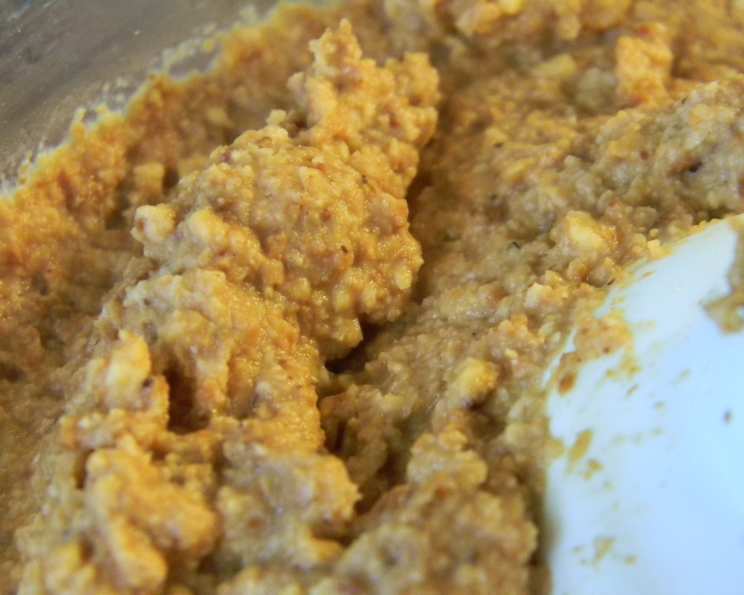
Homemade Soynut Butter: A Nut-Free Delight
I still remember the day my daughter came home from school, crestfallen, because she couldn’t trade her sandwich with her friends. So many kids had peanut allergies, and the school had gone nut-free. As a chef, I took it as a challenge – how could I create something just as delicious, just as satisfying, but entirely safe? The answer, as it turned out, was right in front of me: the humble soybean. And from that day on, homemade Soynut Butter became a staple in our house, a testament to how delicious and inclusive food can be.
Recipe Overview
- Prep Time: 15 minutes
- Cook Time: 0 minutes (roasting time not included, as it assumes pre-roasted soybeans)
- Total Time: 15 minutes (not including pre-roasting time)
- Servings: 34
- Yield: 34 tablespoons
- Dietary Type: Vegan, Gluten-Free, Nut-Free
Ingredients
- 1 cup dry-roasted soybeans
- 1 1/2 cups water
- 2 tablespoons canola oil
- Water, as needed
- Salt, to taste
Equipment Needed
- Food Processor or Blender
Instructions
- In a food processor or blender, combine the roasted soybeans and 1 1/2 cups of water.
- Let the mixture stand for 15 minutes. This allows the soybeans to soften slightly, making them easier to process.
- Turn the processor on and run it until the mixture forms a doughy mass. You might need to scrape down the sides of the bowl occasionally to ensure even processing.
- With the processor running, slowly drizzle in the canola oil.
- Gradually add water, as needed, to achieve a spreadable consistency. Start with a tablespoon at a time and process until you reach the desired texture. Be careful not to add too much water at once, as it can become too thin.
- Finally, add salt to taste and process briefly to incorporate. Remember you can always add more, but you can’t take it away! Taste and adjust as needed.
Expert Tips & Tricks
- Roasting for Flavor: While this recipe calls for pre-roasted soybeans, roasting your own adds depth of flavor. Spread raw soybeans on a baking sheet and roast at 350°F (175°C) for about 20-30 minutes, or until golden brown and fragrant. Let them cool completely before using. Be sure to stir occasionally to prevent burning.
- Consistency is Key: Achieving the perfect consistency requires patience. Add water gradually and pulse the food processor to check the texture frequently. If it’s too thick, add a bit more water. If it’s too thin, add a handful of roasted soybeans.
- Sweet & Savory: Don’t limit yourself to just salt. A touch of maple syrup, a dash of cinnamon, or even a pinch of chili powder can transform your soynut butter. Experiment with your favorite flavors!
- Blender vs. Food Processor: While both can work, a high-powered blender tends to create a smoother texture than a food processor. If using a blender, you may need to stop and scrape down the sides more frequently.
- Soybean Quality: The quality of your soybeans will affect the taste of your soynut butter. Choose high-quality, fresh soybeans for the best results. Look for soybeans that are uniform in color and size, and free from any blemishes or cracks.
- Warming Soybeans: In a pinch and using a high-speed blender, you can warm the soybeans for 2 minutes in the microwave before blending. This will yield a smoother result in the same time.
Serving & Storage Suggestions
Serve your homemade Soynut Butter as you would any other nut butter. Spread it on toast, crackers, or sandwiches. Use it as a dip for fruits and vegetables. Add it to smoothies or oatmeal. It’s also a great addition to sauces and dressings.
Store your Soynut Butter in an airtight container in the refrigerator. It will last for up to 2 weeks. If you want to store it for longer, you can freeze it for up to 2 months. Thaw in the refrigerator overnight before using. Due to the high oil content, separation may occur during storage. Simply stir well before using. While it’s best stored in the fridge for longer term storage, it can be stored at room temperature for 2-3 days.
Nutritional Information
Note: Nutritional information is an estimate and may vary based on specific ingredients and serving size.
| Nutrient | Amount per Serving (1 tbsp) | % Daily Value |
|---|---|---|
| Calories | 75 kcal | 4% |
| Total Fat | 6g | 8% |
| Saturated Fat | 0.5g | 3% |
| Trans Fat | 0g | 0% |
| Cholesterol | 0mg | 0% |
| Sodium | 5mg | 0% |
| Total Carbohydrate | 3g | 1% |
| Dietary Fiber | 1g | 4% |
| Sugars | 0g | 0% |
| Protein | 3g | 6% |
| Vitamin D | 0mcg | 0% |
| Calcium | 15mg | 1% |
| Iron | 0.5mg | 3% |
| Potassium | 100mg | 2% |
Variations & Substitutions
- Sweet Soynut Butter: Add a tablespoon of honey, maple syrup, or agave nectar for a sweeter flavor. You can also add a pinch of cinnamon, nutmeg, or vanilla extract.
- Chocolate Soynut Butter: Add a tablespoon of cocoa powder and a tablespoon of maple syrup for a chocolatey treat.
- Spicy Soynut Butter: Add a pinch of chili powder, cayenne pepper, or smoked paprika for a spicy kick.
- Savory Soynut Butter: Add a clove of garlic, a teaspoon of dried herbs (such as rosemary or thyme), or a squeeze of lemon juice for a savory flavor.
- Sunflower Seed Oil: If you don’t have canola oil, you can substitute it with sunflower seed oil or any other neutral-flavored oil.
- Different Beans: While this recipe is specifically for soynut butter, you can experiment with other beans, such as edamame, to create different flavor profiles. Just be sure to adjust the roasting time and water content accordingly.
FAQs (Frequently Asked Questions)
Q: Can I use raw soybeans instead of roasted?
A: No, roasting the soybeans is essential for both flavor and texture. Raw soybeans are hard and difficult to process, and they don’t have the same nutty flavor.
Q: How do I know when the soybeans are roasted enough?
A: The soybeans should be golden brown and fragrant. They should also be slightly crunchy when you bite into them.
Q: Can I add sugar to this recipe?
A: Yes, you can add sugar to taste. Maple syrup, honey, or agave nectar are all good options. Start with a small amount and add more as needed.
Q: Why is my soynut butter so dry?
A: Your soynut butter is likely too dry because it needs more water. Add water one tablespoon at a time until you reach the desired consistency.
Q: My soynut butter separated, is it still safe to eat?
A: Yes, separation is normal due to the oil content. Simply stir well before using.
Final Thoughts
Making your own Soynut Butter is not only easy, but it also opens up a world of culinary possibilities. Whether you’re dealing with allergies or simply looking for a healthier alternative to traditional nut butters, this recipe is a winner. Don’t be afraid to experiment with different flavors and ingredients to create your own signature blend. I encourage you to give it a try and share your creations with friends and family – you might just discover your new favorite spread! And feel free to pair this with some whole wheat bread and sliced bananas for a healthy and filling snack!