
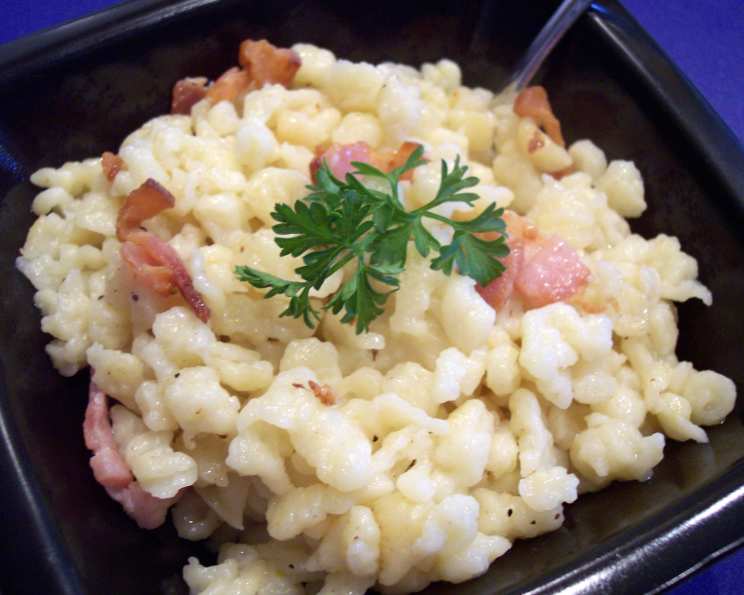
Mastering Spaetzle: A Culinary Journey to Noodle Perfection
My first encounter with spaetzle wasn’t in a fancy restaurant, but in my Oma’s cozy kitchen. The aroma of browned butter and the soft, slightly chewy texture of those irregularly shaped noodles instantly transported me to a world of comfort and warmth. As I watched her deftly push the dough through her well-worn spaetzle maker, I knew this wasn’t just food; it was a tradition, a story passed down through generations, and a delicious adventure waiting to be explored. Now, I’m excited to share this cherished family recipe with you.
Recipe Overview
- Prep Time: 10 minutes
- Cook Time: 3 minutes per batch
- Total Time: 25 minutes
- Servings: 4
- Dietary Type: Vegetarian
Ingredients
- 375 g flour
- 2 eggs
- Salt to taste
- 1/4 liter water (approximately 1 cup)
- 1 tablespoon oil
Equipment Needed
- Large pot
- Spaetzle maker or grater (or a knife and cutting board)
- Slotted spoon or skimmer
Instructions
-
In a large bowl or the bowl of a stand mixer fitted with the whisk attachment, combine the flour, eggs, and a pinch of salt.
-
Slowly add the water while mixing on low speed (or by hand), until the dough is smooth but not stiff. It should be thick but still pourable. The consistency is crucial; you want it to be able to drip or be pushed through a spaetzle maker. If the dough seems too stiff, add a little more water, a tablespoon at a time, until you reach the right consistency. If large eggs are used, you might need a little less water.
-
Continue to blend the dough for a minute or two until it has enlarged slightly in size and is well combined. This helps develop the gluten and gives the spaetzle a better texture.
-
Heat a large pot of salted water to a rolling boil. Add the oil to the water. This prevents the spaetzle from sticking together as they cook.
-
If using a spaetzle maker or grater, place it over the pot of boiling water. Pour or scoop a portion of the dough into the hopper of the spaetzle maker and push it through, grating the noodles directly into the boiling water. Work in batches to avoid overcrowding the pot.
-
If you don’t have a spaetzle maker, roll the dough out on a lightly floured surface to about 1/4-inch thickness. Use a sharp knife to slice the dough into thin strips, then slice across those strips to create small, irregular noodles.
-
As the spaetzle cook, they will rise to the surface of the water. Once they float, cook for about 1 minute more. Use a slotted spoon or skimmer to remove the cooked spaetzle from the water and transfer them to a colander to drain.
-
To prevent the cooked spaetzle from sticking together, you can toss them with a little butter or oil as they drain.
-
Repeat steps 5-7 until all the dough is used.
-
Once cooked, the spaetzle are ready to be served as is, tossed with butter, or incorporated into other dishes. They can also be pan-fried for a crispy texture.
Expert Tips & Tricks
- Achieving the Right Dough Consistency: The dough is the key to great spaetzle. It should be thick enough to hold its shape but loose enough to be easily pushed through a spaetzle maker. Don’t be afraid to adjust the amount of water slightly to get it just right.
- Preventing Sticking: Tossing the cooked spaetzle with a little butter or oil immediately after draining is essential to prevent them from clumping together.
- The Spaetzle Test: Before cooking all the dough, cook a small test batch to check the consistency and flavor. Adjust the salt or water as needed.
- Make-Ahead Option: Cooked spaetzle can be stored in the refrigerator for up to 3 days. Toss with a little oil to prevent sticking, and reheat in a pan with butter or oil.
- Freezing Spaetzle: Cooked and cooled spaetzle can be frozen for up to 2 months. Spread them out on a baking sheet to freeze individually before transferring them to a freezer bag. This prevents them from sticking together in a large clump.
Serving & Storage Suggestions
Spaetzle is incredibly versatile. Serve it as a side dish with hearty stews, goulash, or roasted meats. It’s also delicious tossed with browned butter and herbs, or in a creamy cheese sauce. For a more substantial meal, try pan-frying the spaetzle with bacon, onions, and mushrooms, as I do.
- Serving: Serve immediately after cooking or pan-frying for the best texture. Garnish with fresh herbs like parsley or chives.
- Storage: Cooked spaetzle can be stored in an airtight container in the refrigerator for up to 3 days.
- Reheating: Reheat spaetzle in a pan with butter or oil over medium heat, stirring occasionally, until heated through. You can also reheat them in the microwave, but they may become slightly softer.
- Freezing: Freeze cooled, cooked spaetzle in a single layer on a baking sheet, then transfer to a freezer bag for up to 2 months. Reheat directly from frozen in a pan with butter or oil.
Nutritional Information
| Nutrient | Amount per Serving | % Daily Value |
|---|---|---|
| Calories | 280 kcal | 14% |
| Total Fat | 7g | 9% |
| Saturated Fat | 2g | 10% |
| Cholesterol | 90mg | 30% |
| Sodium | 50mg | 2% |
| Total Carbohydrate | 45g | 15% |
| Dietary Fiber | 2g | 8% |
| Sugars | 1g | 2% |
| Protein | 10g | 20% |
Note: Nutritional information is an estimate and may vary based on specific ingredients and preparation methods.
Variations & Substitutions
- Gluten-Free Spaetzle: Use a gluten-free flour blend in place of all-purpose flour. Be sure to add a binder like xanthan gum to help with the texture.
- Herb Spaetzle: Add chopped fresh herbs like parsley, chives, or thyme to the dough for extra flavor.
- Cheese Spaetzle: Grate a handful of Parmesan or Gruyere cheese into the dough for a cheesy twist.
- Vegan Spaetzle: Replace the eggs with flax eggs (1 tablespoon ground flaxseed mixed with 3 tablespoons water per egg) and ensure your oil is plant-based.
- Sweet Spaetzle: Add a tablespoon of sugar and a pinch of cinnamon to the dough for a sweet spaetzle that can be served with fruit compote or dusted with powdered sugar.
FAQs (Frequently Asked Questions)
Q: What is a spaetzle maker, and do I really need one?
A: A spaetzle maker is a tool designed to easily push the dough through holes into boiling water, creating the distinctive spaetzle shape. While helpful, it’s not essential; you can use a knife and cutting board, or even a colander with large holes.
Q: My spaetzle are sticking together. What am I doing wrong?
A: Make sure to add oil to the boiling water and toss the cooked spaetzle with butter or oil immediately after draining. Avoid overcrowding the pot, as this can also cause sticking.
Q: How can I tell if the spaetzle dough is the right consistency?
A: The dough should be thick but pourable. It should drip slowly from a spoon. If it’s too stiff, add a little more water. If it’s too runny, add a little more flour.
Q: Can I make spaetzle ahead of time?
A: Yes, cooked spaetzle can be stored in the refrigerator for up to 3 days or frozen for up to 2 months. Just be sure to toss them with oil to prevent sticking.
Q: What’s the best way to serve spaetzle?
A: Spaetzle is incredibly versatile! It’s wonderful with savory dishes like goulash or gravy, or simply tossed with browned butter and herbs.
Final Thoughts
Spaetzle might seem a bit intimidating at first, but trust me, it’s a rewarding culinary adventure. Don’t be afraid to experiment with different flavors and toppings to create your own signature spaetzle dish. Whether you’re serving it as a comforting side or a hearty main course, spaetzle is sure to bring a touch of homemade goodness to your table. So, gather your ingredients, put on some music, and get ready to embark on a delicious journey to noodle perfection. I’d love to hear how your spaetzle turns out – feel free to share your tips and variations in the comments below!