
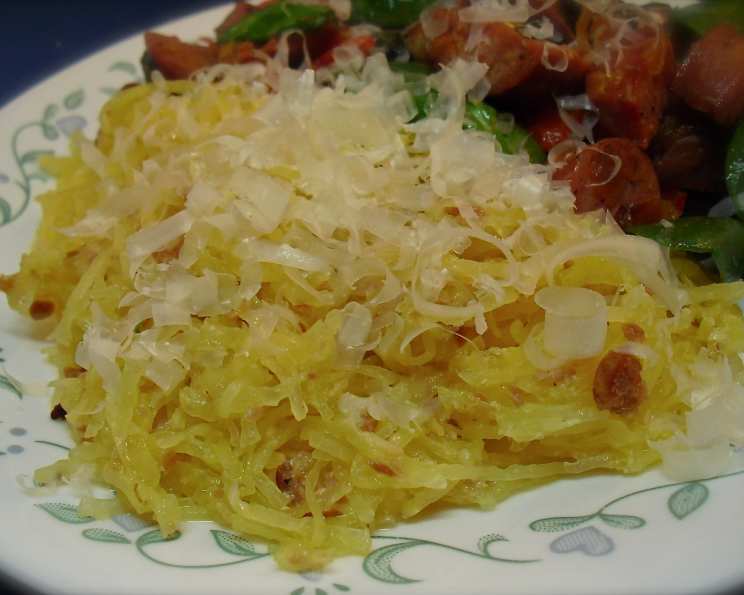
Spaghetti Squash “Carbonara” – A Diabetic-Friendly Delight
I remember one particularly challenging week during my culinary apprenticeship. We were tasked with creating delicious, satisfying meals that catered to specific dietary needs, and diabetes was a big focus. Many of the chefs, stuck in their old ways, kept saying healthy food couldn’t be truly enjoyable. I was determined to prove them wrong. That’s when I stumbled upon the magic of spaghetti squash – a blank canvas for creating comforting classics without the carb overload. I’ve been experimenting with it ever since, and this “carbonara” is a testament to how delicious and satisfying diabetic-friendly cuisine can be.
Recipe Overview
- Prep Time: 15 minutes
- Cook Time: 50-60 minutes
- Total Time: 1 hour 5-15 minutes
- Servings: 6
- Yield: Varies based on squash size
- Dietary Type: Diabetic-Friendly, Low-Carb
Ingredients
- 1 (2 lb) spaghetti squash
- ¼ cup bacon bits
- ¼ cup fat-free evaporated milk
- ¼ cup egg substitute
- 2 tablespoons grated Parmesan cheese
- ½ teaspoon salt
- ⅛ teaspoon white pepper
- 1 pinch ground nutmeg
Equipment Needed
- Baking sheet
- Fork
- Large bowl
- Knife
Instructions
-
Preheat your oven to 350 degrees F (175 degrees C). This moderate temperature will allow the spaghetti squash to cook through evenly without burning.
-
Using a fork, pierce the spaghetti squash in several places. This allows steam to escape during baking, preventing the squash from exploding. Don’t skip this step!
-
Place the pierced squash on a baking sheet. Baking it on a sheet will catch any juices that may leak out during cooking, making cleanup easier.
-
Bake for 50 to 60 minutes, or until the squash is soft. A good way to check for doneness is to gently press on the squash – it should yield easily. You can also insert a fork; if it goes in without resistance, it’s ready. Keep in mind that larger squashes may require a longer baking time.
-
Remove the squash from the oven and let it stand for 5 minutes. This allows the squash to cool slightly, making it easier to handle. Be careful, as it will be very hot!
-
Split the squash lengthwise using a sharp knife. The squash should easily split open. If it’s difficult, it may need to bake for a few more minutes.
-
Remove the seeds and stringy fibers from the center of the squash. A spoon works well for this task. Discard the seeds and fibers, or save the seeds to roast later!
-
Using a fork, shred the squash strands into a large bowl. The cooked flesh should easily separate into strands resembling spaghetti. This is where the squash gets its name!
-
Add the remaining ingredients – bacon bits, fat-free evaporated milk, egg substitute, grated Parmesan cheese, salt, white pepper, and ground nutmeg – to the hot spaghetti squash. The heat from the squash will help to gently cook the egg substitute and melt the cheese.
-
Toss all the ingredients together thoroughly until well combined. Make sure the seasoning is evenly distributed throughout the squash.
-
Serve the spaghetti squash “carbonara” immediately. It’s best enjoyed hot, when the cheese is melted and the flavors are at their peak.
Expert Tips & Tricks
-
Roasting the Squash: While baking is convenient, roasting the spaghetti squash cut-side down on a baking sheet intensifies its natural sweetness. Drizzle the cut sides with a little olive oil and season with salt and pepper before roasting.
-
Enhance the “Carbonara” Flavor: For a richer, more authentic carbonara taste, consider adding a clove of minced garlic to the squash along with the other ingredients. A sprinkle of fresh parsley also adds a bright, herbaceous note.
-
Bacon Alternatives: If you’re looking to reduce sodium, consider using turkey bacon or a vegetarian bacon substitute. Smoked paprika can also impart a smoky flavor.
-
Seasoning is Key: Taste and adjust the seasoning as needed. A little extra salt or pepper can make a big difference.
-
Don’t Overcook the Squash: Overcooked spaghetti squash can become mushy. Aim for a slightly al dente texture.
Serving & Storage Suggestions
Serve this spaghetti squash “carbonara” hot as a main dish or a flavorful side. Garnish with extra grated Parmesan cheese and a sprinkle of fresh parsley for a more appealing presentation.
Leftovers can be stored in an airtight container in the refrigerator for up to 3 days. To reheat, microwave in short intervals, stirring occasionally, or heat in a skillet over medium heat until warmed through.
This dish is best served immediately, but it can be kept warm in a low oven (around 200°F) for up to 30 minutes if needed. Avoid freezing, as the texture of the spaghetti squash may change upon thawing.
Nutritional Information
| Nutrient | Amount per Serving | % Daily Value |
|---|---|---|
| Calories | 71.5 kcal | N/A |
| Calories from Fat | 15 g | 22% |
| Total Fat | 1.7 g | 2% |
| Saturated Fat | 0.6 g | 2% |
| Cholesterol | 2 mg | 0% |
| Sodium | 275.8 mg | 11% |
| Total Carbohydrate | 11.8 g | 3% |
| Dietary Fiber | 0 g | 0% |
| Sugars | 1.3 g | N/A |
| Protein | 3.7 g | 7% |
Nutritional information is an estimate and may vary based on specific ingredients and portion sizes.
Variations & Substitutions
-
Vegetarian Version: Omit the bacon bits and use a vegetarian bacon substitute or add sautéed mushrooms and a dash of liquid smoke for a similar smoky flavor.
-
Dairy-Free Option: Replace the Parmesan cheese with a dairy-free Parmesan alternative or nutritional yeast for a cheesy flavor. Use unsweetened almond milk instead of evaporated milk.
-
Spice It Up: Add a pinch of red pepper flakes for a little heat.
-
Add Vegetables: Sautéed spinach, mushrooms, or zucchini can be added to the squash for extra nutrients and flavor.
-
Herb Infusion: Infuse the dish with fresh herbs like thyme or rosemary for a more complex flavor profile.
FAQs (Frequently Asked Questions)
Q: Can I prepare the spaghetti squash ahead of time?
A: Yes, you can bake the spaghetti squash ahead of time and shred the flesh. Store it in the refrigerator until ready to use.
Q: Can I use regular milk instead of fat-free evaporated milk?
A: While you can use regular milk, fat-free evaporated milk adds a creamier texture and helps to thicken the sauce without adding extra fat.
Q: Is it necessary to pierce the spaghetti squash before baking?
A: Yes! Piercing the squash allows steam to escape and prevents it from exploding in the oven.
Q: What can I use as an egg substitute?
A: There are many commercial egg substitutes available. You can also use pureed silken tofu or applesauce as a substitute, but the texture may be slightly different.
Q: How can I make this dish even lower in carbs?
A: Reduce the amount of Parmesan cheese or use a low-carb cheese alternative. Also, be mindful of the type of bacon bits you use, as some may contain added sugars.
Final Thoughts
This Spaghetti Squash “Carbonara” is more than just a diabetic-friendly recipe; it’s a testament to how creative and delicious healthy eating can be. I encourage you to try this recipe and discover the versatility of spaghetti squash. Experiment with different variations and seasonings to create your own unique spin on this classic dish. Share your creations and feedback – I’d love to hear how it turns out! Pair it with a simple side salad for a complete and satisfying meal. Enjoy!