
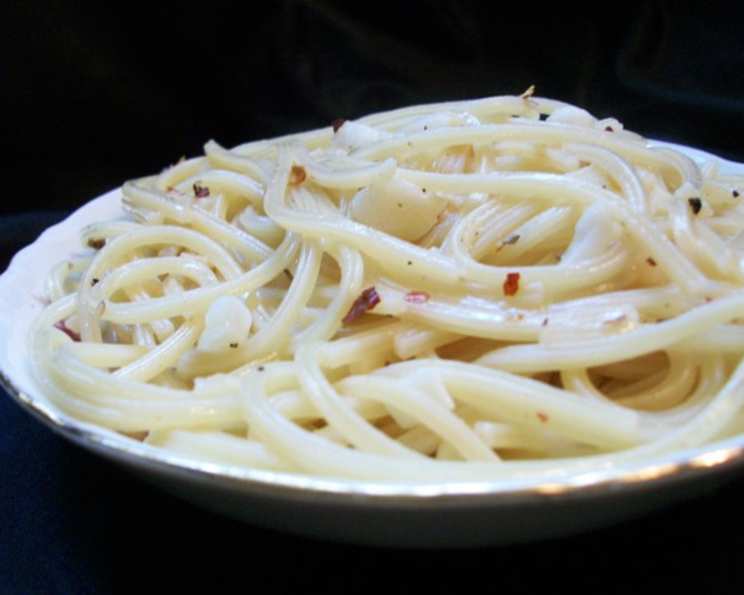
Spaghetti With Red Wine Sauce: A Culinary Symphony in Simplicity
The scent of garlic sizzling in olive oil, the anticipation as a deep red wine reduces to a glossy glaze, the satisfying twirl of spaghetti on a fork – these are the moments that define my love affair with Italian cooking. I remember one particularly chilly autumn evening in Tuscany, huddled around a rustic wooden table with friends, sharing a steaming bowl of pasta dressed in a vibrant red wine sauce. The simplicity of the dish, coupled with the warmth of the wine and the laughter of good company, created a memory I’ve cherished for years, and this recipe brings me right back to that table.
Recipe Overview
- Prep Time: 5 minutes
- Cook Time: 25 minutes
- Total Time: 30 minutes
- Servings: 4-6
- Dietary Type: Vegetarian
Ingredients
- 1 lb spaghetti
- Salt, to taste
- Fresh ground pepper, to taste
- ½ cup extra virgin olive oil
- 1 tablespoon minced garlic
- 1 teaspoon red hot red pepper flakes (to taste)
- 1 (750 ml) bottle light red wine (like Chianti Classico or a good red Zinfandel…a quality wine, but not necessarily expensive)
- 1 tablespoon butter
Equipment Needed
- Large pot
- Large, deep skillet
- Colander
Instructions
-
Begin by bringing a large pot of water to a rolling boil. Generously salt the water. This is crucial for flavoring the pasta from the inside out.
-
While the water is heating, prepare the sauce base. In a large, deep skillet, combine the extra virgin olive oil, minced garlic, and red hot red pepper flakes.
-
Once the water is boiling vigorously, add the spaghetti. Stir gently to prevent sticking.
-
Simultaneously, turn the heat under the skillet with the oil and garlic to high. Keep a close watch on the garlic; the goal is to infuse the oil without burning it.
-
As the garlic begins to just barely brown, immediately sprinkle it with salt and pepper to taste. Then, carefully add approximately three-quarters of the bottle of red wine (a little more than two cups) to the skillet. Be careful, as it may splatter! Bring the wine to a vigorous boil.
-
The pasta will cook relatively quickly. Begin checking for doneness after about five minutes. The pasta should be beginning to bend easily.
-
Before the pasta is fully cooked, while it still has a firm bite (al dente), drain it thoroughly. Reserve about a cup of pasta water in case you need it later.
-
Add the drained spaghetti directly to the skillet with the boiling wine mixture.
-
Continue to cook, stirring frequently, allowing the pasta to absorb the sauce. If the mixture threatens to dry out completely, add a little more wine from the remaining portion of the bottle, or a splash of the reserved pasta water. The starch in the pasta water will help thicken the sauce and create a lovely emulsion.
-
Taste the pasta frequently as it cooks in the sauce. This is the key to achieving perfect flavor and texture.
-
The pasta is done when it is tender but still has a slight bite to it. The sauce should be reduced to a glossy glaze that coats each strand beautifully.
-
At the very end, stir in the butter. This adds richness and a silken texture to the sauce.
-
Turn off the heat and allow the butter to melt completely, further glazing the pasta.
-
Serve the spaghetti with red wine sauce immediately. The flavors are best enjoyed fresh.
Expert Tips & Tricks
- Wine Selection: Don’t be afraid to use a reasonably priced wine, but avoid anything labeled “cooking wine.” Look for a light-bodied, fruity red like Chianti Classico or a good Zinfandel. The better the wine, the better the sauce.
- Garlic Control: Burnt garlic is bitter. Keep a close eye on it in the beginning. If it starts to brown too quickly, reduce the heat slightly.
- Pasta Water is Your Friend: Always reserve some pasta water. It’s a fantastic tool for adjusting the consistency of the sauce and adding a bit of extra starchiness for a richer texture.
- Don’t Overcook: The pasta will continue to cook in the sauce, so be sure to pull it off the heat when it is al dente.
Serving & Storage Suggestions
Serve the spaghetti with red wine sauce immediately in warmed bowls. Garnish with a sprinkle of fresh parsley or grated Parmesan cheese (if not keeping it strictly vegetarian).
Leftovers can be stored in an airtight container in the refrigerator for up to 2 days. To reheat, gently warm in a skillet over low heat, adding a splash of water or wine if needed to loosen the sauce. Avoid microwaving if possible, as it can make the pasta rubbery. Freezing is not recommended, as the pasta texture will degrade.
Nutritional Information
| Nutrient | Amount per Serving | % Daily Value |
|---|---|---|
| Calories | 424 kcal | 21% |
| Total Fat | 17.5 g | 27% |
| Saturated Fat | 3.5 g | 18% |
| Cholesterol | 5 mg | 2% |
| Sodium | 20 mg | 1% |
| Total Carbohydrate | 57 g | 19% |
| Dietary Fiber | 3 g | 12% |
| Sugars | 2 g | 4% |
| Protein | 11 g | 22% |
Note: Nutritional information is an estimate and may vary based on specific ingredients and portion sizes.
Variations & Substitutions
- Spice It Up: Increase the amount of red pepper flakes for a more fiery dish.
- Add Vegetables: Sauté some sliced mushrooms, bell peppers, or zucchini along with the garlic for added flavor and nutrients.
- Make it Vegan: Omit the butter or substitute with a tablespoon of olive oil.
- Herby Delight: Add fresh herbs like basil, oregano, or thyme to the sauce for a more complex flavor profile. Stir them in during the last few minutes of cooking.
- Seafood Twist: Add shrimp or mussels during the last few minutes of cooking for a seafood-infused version.
- Gluten-Free: Use your favorite gluten-free spaghetti.
FAQs (Frequently Asked Questions)
Q: Can I use a more expensive wine for this recipe?
A: While you can, it’s not necessary. The long cooking process will mellow out even the most complex wines. Using a good quality, but not overly expensive, wine is perfectly acceptable.
Q: What if I don’t have red pepper flakes?
A: You can substitute with a pinch of cayenne pepper or a dash of your favorite hot sauce.
Q: Can I make this recipe ahead of time?
A: While the sauce can be made a few hours in advance, the pasta is best served immediately after cooking to prevent it from becoming mushy.
Q: My sauce is too thick. What can I do?
A: Add a little more wine or some of the reserved pasta water to thin it out.
Q: How can I prevent the pasta from sticking together when I add it to the sauce?
A: Make sure the pasta is properly drained, but not rinsed. The starch on the surface will help the sauce cling to the pasta. Stir frequently as it cooks in the sauce.
Final Thoughts
This Spaghetti with Red Wine Sauce is a testament to the beauty of simple ingredients and thoughtful preparation. It’s a dish that’s both comforting and elegant, perfect for a weeknight dinner or a special occasion. So, grab a bottle of your favorite red, put on some Italian music, and get ready to create a culinary masterpiece. I encourage you to try this recipe and make it your own. Don’t be afraid to experiment with different ingredients and flavors to create a dish that truly reflects your personal taste. Buon appetito!