
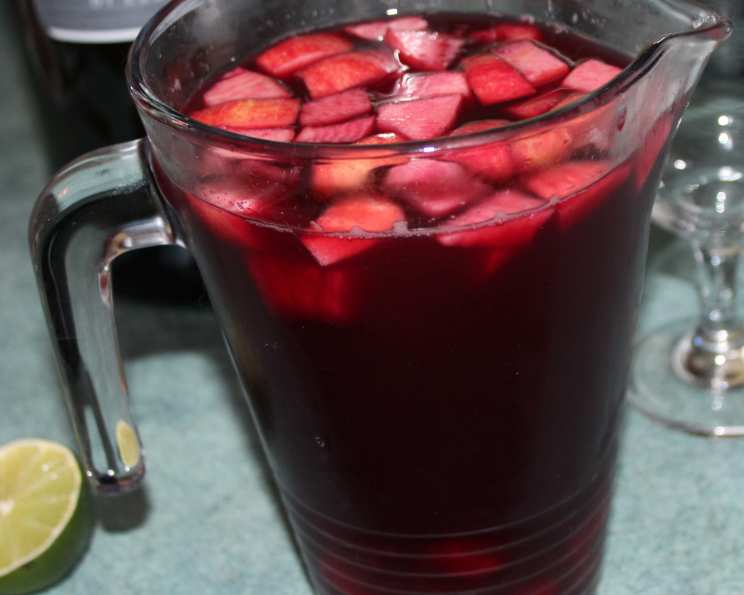
Spanish Sangria: A Taste of Sunshine in Every Sip
I remember the first time I tasted sangria. It was during a sweltering summer trip to Barcelona. We stumbled upon a tiny tapas bar tucked away in the Gothic Quarter, the air thick with the scent of spices and the sounds of laughter. The bartender, with a wink and a flourish, presented us with a pitcher of ruby-red sangria, brimming with fruit. One sip, and I was transported. The cool, sweet wine, bursting with the flavors of oranges, apples, and something subtly exotic, was the perfect antidote to the heat. It was more than just a drink; it was an experience – a taste of Spanish sunshine and carefree joy that I’ve been chasing ever since.
Recipe Overview
- Prep Time: 10 minutes
- Cook Time: 0 minutes
- Total Time: 10 minutes (plus 2 hours chilling)
- Servings: 6
- Yield: 6 cups
- Dietary Type: Gluten-Free, Dairy-Free (naturally)
Ingredients
- 1 (750 ml) bottle dry red wine
- ½ cup orange juice
- ½ cup pineapple tidbits
- ½ apple, cored and cubed
- 2 tablespoons sugar
- 1 tablespoon fresh lime juice
- 1 cup club soda, cold
Equipment Needed
- Large pitcher
- Knife
- Cutting board
- Measuring cups and spoons
Instructions
- In a large pitcher, combine the entire bottle of dry red wine, ½ cup of orange juice, ½ cup of pineapple tidbits, and ½ of a cored and cubed apple.
- Add 2 tablespoons of sugar and 1 tablespoon of fresh lime juice to the pitcher.
- Stir the mixture thoroughly until the sugar is completely dissolved. This ensures a balanced sweetness throughout the sangria.
- Refrigerate the pitcher for at least 2 hours, or preferably overnight. This allows the flavors to meld together and the fruit to infuse the wine with its essence. The longer it sits, the better the flavors will develop.
- Just before serving, stir in 1 cup of cold club soda. This adds a delightful fizz and a touch of lightness to the sangria.
- Pour the sangria into 6 ice-filled glasses, making sure to include some of the fruit in each glass. This adds to the visual appeal and provides a burst of fresh flavor with every sip.
Expert Tips & Tricks
- Wine Selection: Don’t feel the need to splurge on an expensive bottle of wine for sangria. A budget-friendly, dry red wine like a Spanish Rioja or a Chilean Cabernet Sauvignon works perfectly. The fruit and other ingredients will enhance the wine’s flavors.
- Fruit Preparation: Cutting the apple into small, uniform cubes ensures even flavor distribution. You can also use other fruits like strawberries, oranges, or peaches, depending on your preference and what’s in season.
- Sugar Adjustment: Taste the sangria before chilling and adjust the amount of sugar to your liking. Some wines are naturally sweeter than others, so you may need more or less sugar depending on your wine choice.
- Chill Time: While 2 hours is the minimum chilling time, overnight is truly ideal. The longer the flavors mingle, the richer and more complex the sangria will be.
- Fizz Factor: Add the club soda just before serving to prevent it from going flat. If you’re preparing a large batch, keep the club soda separate and add it to each glass individually.
- Presentation is Key: Garnish each glass with a slice of orange or a sprig of mint to elevate the presentation.
Serving & Storage Suggestions
Serve this Spanish sangria chilled in ice-filled glasses. It’s the perfect accompaniment to tapas, grilled meats, or any summertime gathering.
Leftover sangria can be stored in the refrigerator for up to 2 days. The fruit may become a bit soggy over time, but the flavor will still be delicious. Avoid freezing sangria, as the texture of the fruit will be significantly altered upon thawing. The carbonation from the club soda will also be lost.
Nutritional Information
| Nutrient | Amount per Serving | % Daily Value |
|---|---|---|
| Calories | 146.4 kcal | N/A |
| Total Fat | 0.1 g | 0% |
| Saturated Fat | 0 g | 0% |
| Cholesterol | 0 mg | 0% |
| Sodium | 13.8 mg | 0% |
| Total Carbohydrate | 13.7 g | 4% |
| Dietary Fiber | 0.6 g | 2% |
| Sugars | 9.7 g | 38% |
| Protein | 0.4 g | 0% |
Note: Nutritional information is an estimate and may vary based on specific ingredients and serving sizes.
Variations & Substitutions
- White Sangria: Substitute the red wine with a crisp, dry white wine like Sauvignon Blanc or Pinot Grigio. Use green apple instead of red and add white grapes for a different flavor profile.
- Rosé Sangria: Rosé wine offers a lighter and fruitier option. Combine it with raspberries, strawberries, and a splash of rosewater for a delicate and refreshing twist.
- Sparkling Sangria: Replace the club soda with Prosecco or Cava for an extra festive touch.
- Non-Alcoholic Sangria: Use a non-alcoholic red wine alternative or a blend of grape juice and cranberry juice as the base. Add sparkling water or ginger ale for fizz.
- Seasonal Sangria: Adapt the fruit to the season. In the fall, use apples, pears, and cranberries. In the winter, add citrus fruits like oranges, mandarins, and grapefruit.
- Spice it Up: Infuse the sangria with cinnamon sticks, star anise, or cloves for a warm and aromatic flavor, especially during the colder months.
FAQs (Frequently Asked Questions)
Q: Can I use frozen fruit in sangria?
A: While fresh fruit is preferred for its texture and flavor, frozen fruit can be used in a pinch. Be aware that it may release more water as it thaws, potentially diluting the sangria.
Q: How long can sangria be stored in the refrigerator?
A: Sangria is best consumed within 2 days of preparation. After that, the fruit may become overly soggy, and the flavors may start to diminish.
Q: Can I make sangria ahead of time?
A: Absolutely! In fact, making sangria a day in advance allows the flavors to meld together beautifully. Just add the club soda right before serving to maintain its fizz.
Q: What if I don’t have club soda?
A: You can substitute club soda with sparkling water, ginger ale, or even a lemon-lime soda. Keep in mind that the flavor profile will be slightly altered depending on your choice.
Q: Can I use a sweet wine for sangria?
A: While you can use a sweeter wine, it’s generally recommended to start with a dry red wine. You can then adjust the sweetness to your liking by adding sugar or a splash of fruit juice. Starting with a sweet wine may result in an overly sweet sangria.
Final Thoughts
This Spanish sangria recipe is a vibrant and refreshing taste of sunshine, perfect for sharing with friends and family. It’s incredibly versatile, allowing you to adapt the fruit and spices to your personal preferences and the season. Don’t be afraid to experiment and make it your own! I encourage you to try this recipe, embrace the spirit of Spanish hospitality, and let me know what you think. Pair it with some delicious tapas for the ultimate taste of Spain. ¡Salud!