
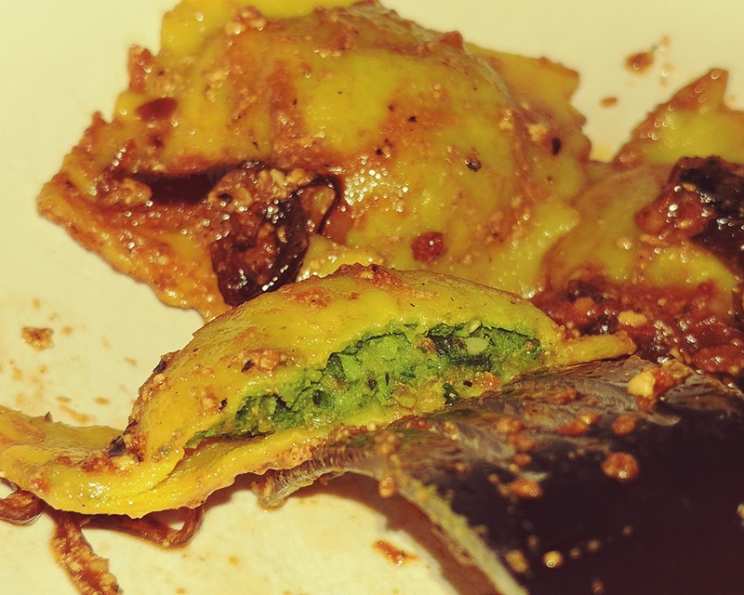
Spelt Pasta: A Rustic Journey to Homemade Goodness
There’s something deeply satisfying about creating pasta from scratch. My grandmother, Nonna Emilia, always had flour dusting her apron and a mischievous glint in her eye as she cranked out mountains of tagliatelle. I can still picture myself, a small child perched on a stool, mesmerized by the transformation of simple ingredients into those beautiful, golden strands. While her recipe used traditional durum wheat, this spelt pasta brings a subtly nutty and rustic flavor that’s just as captivating, reminding me of her warmth and the joy of simple, homemade meals.
Recipe Overview
- Prep Time: 20 minutes
- Rest Time: 20 minutes
- Cook Time: Varies based on pasta shape
- Total Time: 40 minutes + resting
- Servings: 6
- Yield: Approximately 1.5 pounds pasta
- Dietary Type: Not Gluten-Free
Ingredients
- 2 cups spelt flour
- 3 eggs, at room temperature
- 1 pinch salt
- 2 tablespoons olive oil
Equipment Needed
- Large mixing bowl
- Fork
- Cling wrap
- Clean work surface (lightly floured)
- Pasta machine (or rolling pin)
Instructions
-
Begin by sifting the spelt flour and salt into a large mixing bowl. This ensures a lighter, more consistent dough.
-
In a separate small bowl, beat the eggs with the olive oil until well combined. Using room temperature eggs will help them incorporate more easily into the flour.
-
Now, create a well in the center of the flour mixture. Pour the egg and oil mixture into the well.
-
Using a fork, gently stir the egg mixture into the flour, gradually incorporating the flour from the sides of the well until a shaggy dough begins to form.
-
Once the dough becomes too thick to stir with a fork, use your hands to bring it together. Turn the dough out onto a lightly floured surface.
-
Knead the dough for approximately 8-10 minutes, or until it becomes smooth and elastic. The dough should “come together” nicely, forming a cohesive ball. Don’t be afraid to add a little extra flour if the dough is too sticky, but add it sparingly, a teaspoon at a time.
-
Wrap the dough tightly in cling wrap and allow it to rest at room temperature for at least 20 minutes. This resting period allows the gluten to relax, making the dough easier to roll out.
-
After resting, divide the dough into smaller portions for easier handling. If using a pasta machine, flatten one portion of dough with your hands. Set your pasta machine to the widest setting.
-
Feed the dough through the pasta machine. Fold the dough in half and feed it through again. Repeat this process several times until the dough is smooth and elastic.
-
Gradually decrease the setting on the pasta machine, feeding the dough through each setting until you reach your desired thickness.
-
Once you’ve achieved the desired thickness, attach the cutter attachment to your pasta machine.
-
Feed the sheet of pasta through the cutter to create your desired pasta shape (e.g., spaghetti, fettuccine). If you do not have a pasta machine, roll the dough out thinly with a rolling pin and cut the pasta by hand with a sharp knife or pizza cutter.
-
As you cut the pasta, lay it out on a lightly floured surface or hang it on a pasta drying rack to prevent it from sticking together. Be careful not to allow pasta to dry out before cooking as it can become a little brittle.
-
Cook the pasta in a large pot of boiling, salted water until al dente. Fresh pasta cooks very quickly, typically in just 2-4 minutes. Start tasting after 2 minutes to avoid overcooking.
-
Drain the pasta and toss with your favorite sauce. Serve immediately.
Expert Tips & Tricks
- Flour Power: Spelt flour can behave differently from regular wheat flour. It tends to absorb more liquid, so be prepared to adjust the amount of flour or liquid as needed to achieve the right dough consistency.
- Rest is Best: Don’t skip the resting period! It makes a world of difference in the texture and ease of rolling.
- Machine Maintenance: If using a pasta machine, keep it clean by brushing off any excess flour after each use.
- Egg-cellent Substitute: If you’re out of eggs, you can try substituting them with a mixture of applesauce or mashed banana, but be aware that this will affect the flavor and texture of the pasta. I recommend sticking to the original recipe for the best results.
- Don’t Overcrowd: When cooking the pasta, make sure not to overcrowd the pot. Cook it in batches if necessary to ensure even cooking.
- Salt the water: The water should be salty like the sea. This seasons the pasta from the inside out.
Serving & Storage Suggestions
Serve your fresh spelt pasta immediately after cooking, tossed with your favorite sauce. It pairs wonderfully with pesto, marinara, creamy Alfredo, or a simple garlic and olive oil sauce.
Leftover cooked pasta can be stored in an airtight container in the refrigerator for up to 2 days. To reheat, simply add it to boiling water for a minute or two, or toss it with sauce in a pan until heated through.
Uncooked pasta can be frozen for longer storage. Lay the pasta in a single layer on a baking sheet lined with parchment paper and freeze until solid. Then, transfer the frozen pasta to a freezer-safe bag or container. Cook directly from frozen, adding an extra minute or two to the cooking time.
Nutritional Information
Please note that these are estimates and can vary based on specific ingredients and portion sizes.
| Nutrient | Amount per Serving | % Daily Value |
|---|---|---|
| Calories | 250 kcal | 13% |
| Total Fat | 8g | 12% |
| Saturated Fat | 2g | 10% |
| Cholesterol | 140mg | 47% |
| Sodium | 50mg | 2% |
| Total Carbohydrate | 35g | 13% |
| Dietary Fiber | 3g | 12% |
| Sugars | 1g | – |
| Protein | 10g | 20% |
Variations & Substitutions
- Whole Wheat Spelt: For an even nuttier flavor and increased fiber, try using a combination of whole wheat spelt flour and regular spelt flour.
- Herb Infusion: Add fresh herbs like rosemary, thyme, or basil to the dough for a flavorful twist. Chop the herbs finely and knead them into the dough before resting.
- Colorful Pasta: Incorporate vegetable purees like spinach, beet, or carrot into the dough for a vibrant and nutritious pasta. Reduce the amount of egg slightly to compensate for the added moisture.
FAQs (Frequently Asked Questions)
Q: Is spelt pasta gluten-free?
A: No, spelt contains gluten, although some people with mild gluten sensitivities find it easier to digest than wheat. This recipe is not suitable for those with celiac disease or severe gluten intolerance.
Q: Can I make this pasta without a pasta machine?
A: Yes, you can roll the dough out thinly with a rolling pin and cut the pasta by hand with a sharp knife or pizza cutter. However, a pasta machine will make the process much easier and more consistent.
Q: How do I prevent the pasta from sticking together?
A: Make sure to lay the cut pasta out on a lightly floured surface or hang it on a pasta drying rack to prevent it from sticking together. Also, don’t overcrowd the pot when cooking the pasta.
Q: How long does fresh pasta take to cook?
A: Fresh pasta cooks very quickly, typically in just 2-4 minutes. Start tasting after 2 minutes to avoid overcooking.
Q: Can I freeze the pasta dough?
A: Yes, you can freeze the dough after resting it. Wrap it tightly in cling wrap and store it in the freezer for up to 2 months. Thaw it in the refrigerator overnight before rolling it out.
Final Thoughts
Making your own spelt pasta is a rewarding experience that connects you to the simple pleasures of cooking. While it requires a little effort, the fresh, flavorful result is well worth it. Don’t be afraid to experiment with different sauces and toppings to create your own signature dish. I encourage you to give this recipe a try and share your creations with friends and family. Buon appetito!