
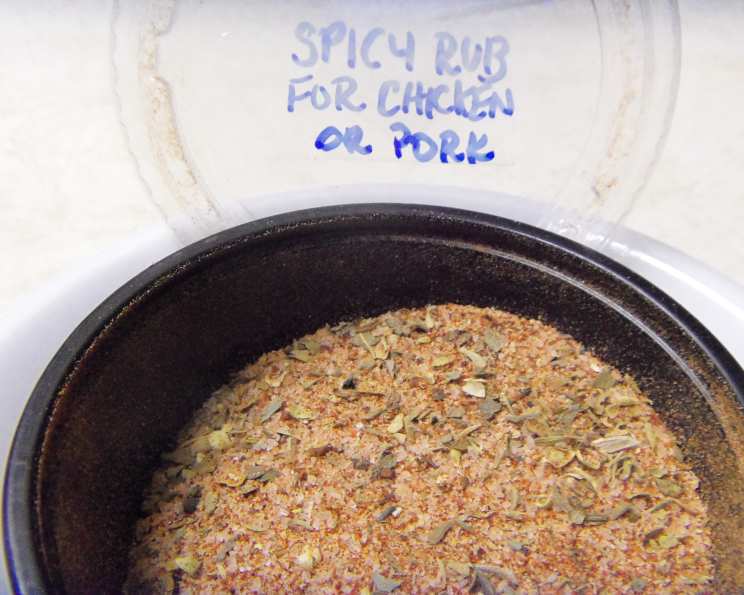
The Ultimate Pork & Chicken Spice Rub: A Flavor Adventure
The first time I tasted anything remotely like this spice rub, I was probably seven years old. My grandmother, a formidable woman in the kitchen, would concoct a similar blend for her Sunday roasts. The aroma alone – a symphony of savory, smoky, and subtly sweet notes – would fill her entire house, beckoning everyone to the table. It wasn’t just a meal; it was an experience, a memory etched in my taste buds. Now, years later, I’ve created my version of that magic, a versatile spice rub perfect for transforming humble pork or chicken into culinary masterpieces.
Recipe Overview
- Prep Time: 10 minutes
- Cook Time: Varies based on protein
- Total Time: 10 minutes (plus optional overnight marinating)
- Yields: About 3/4 cup
- Dietary Type: Gluten-Free, Dairy-Free
Ingredients
- 8-10 teaspoons salt (or to taste, see note below)
- 3 teaspoons white pepper
- 1 teaspoon black pepper
- 2 teaspoons garlic powder
- 3 teaspoons onion powder
- 3 teaspoons smoked paprika (mild or hot)
- 3 teaspoons paprika
- 2-3 teaspoons cayenne powder
- 3 teaspoons dried thyme
- 2 teaspoons dried oregano
- 1 teaspoon dried basil
Note on Salt: For greater control over the salt content, you can omit the salt from the mix and add it separately when you use the rub. This is especially useful if you’re watching your sodium intake.
Equipment Needed
- Small mixing bowl
- Measuring spoons
- Airtight jar or container for storage
Instructions
-
In a small mixing bowl, combine all the ingredients: salt, white pepper, black pepper, garlic powder, onion powder, smoked paprika, paprika, cayenne powder, dried thyme, dried oregano, and dried basil.
-
Mix the spices thoroughly until they are evenly distributed. Make sure there are no clumps of any single spice.
-
Transfer the spice mix to an airtight jar or container. This will help maintain its freshness and prevent it from absorbing moisture.
-
To use, rub the spice mix generously onto pork or chicken. For best results, wrap the seasoned meat tightly in plastic wrap and refrigerate overnight. This allows the flavors to penetrate deeply.
-
When ready to cook, remove the meat from the refrigerator at least 30 minutes before cooking to allow it to come to room temperature for more even cooking.
-
Cook the seasoned pork or chicken using your preferred method: baking, grilling, pan-frying, or slow cooking. Adjust cooking times and temperatures according to the recipe you are following for your chosen cut of meat.
-
If you cannot find smoked paprika, you can substitute it with regular paprika, but the smoky flavor will be diminished. Consider adding a few drops of liquid smoke to compensate if you desire a smoky taste.
Expert Tips & Tricks
- Toast your spices: For an even deeper, more complex flavor, lightly toast the dried spices in a dry skillet over medium heat for a few minutes before grinding them. Be careful not to burn them!
- Make it a wet rub: For an even more intense marinade, combine the spice rub with olive oil, lemon juice, or vinegar to create a paste. This helps the flavors adhere to the meat better and adds moisture.
- Spice level adjustment: Taste the spice rub and adjust the amount of cayenne pepper to your liking. Start with less and add more until you reach your desired level of heat.
- Use a coffee grinder: For a finer spice blend, pulse the mix in a clean coffee grinder or spice grinder for a few seconds. This helps the spices penetrate the meat more effectively.
- Don’t over-salt: If you are using this rub on a cut of meat that is already brined, reduce the amount of added salt or eliminate it completely.
Serving & Storage Suggestions
This spice rub is incredibly versatile and can be used in many ways. Here are some serving suggestions:
- Pork Chops: Rub the spice on pork chops and pan-fry or grill them for a quick and flavorful weeknight meal.
- Chicken Thighs: Season chicken thighs with the rub and bake them until tender and juicy.
- Pulled Pork: Use the spice rub as the base for your pulled pork recipe. Slow cook the pork shoulder with the rub until it falls apart.
- Chicken Wings: Toss chicken wings with the spice rub before baking or frying for a spicy and savory appetizer.
- Vegetables: Sprinkle a small amount of the spice rub on roasted vegetables such as potatoes, sweet potatoes, or carrots for added flavor.
Storage: Store the spice rub in an airtight container in a cool, dark place, such as a pantry or spice cabinet. When stored properly, it will last for up to 6 months. The flavor may diminish slightly over time, but it will still be safe to use.
- Room Temperature: Not recommended for long-term storage.
- Refrigerator: Not necessary, as the spices are dry.
- Freezer: Not recommended, as it can cause the spices to clump.
Nutritional Information
Note: Nutritional information is an estimate and may vary based on specific ingredients and serving size.
| Nutrient | Amount per Serving (1 tsp) | % Daily Value |
|---|---|---|
| Calories | 5 kcal | 0% |
| Total Fat | 0.2 g | 0% |
| Saturated Fat | 0 g | 0% |
| Cholesterol | 0 mg | 0% |
| Sodium | 360 mg | 15% |
| Total Carbohydrate | 0.8 g | 0% |
| Dietary Fiber | 0.3 g | 1% |
| Sugars | 0.1 g | 0% |
| Protein | 0.2 g | 0% |
Variations & Substitutions
- Mediterranean Twist: Add 1 teaspoon of dried rosemary and ½ teaspoon of dried mint for a Mediterranean-inspired flavor profile.
- Mexican Spice Rub: Substitute the thyme, oregano, and basil with 1 teaspoon of chili powder and ½ teaspoon of cumin for a Mexican twist.
- Sweet & Spicy: Add 1 tablespoon of brown sugar or maple sugar for a touch of sweetness.
- Herb-Free: Omit the thyme, oregano, and basil for a simpler flavor profile.
- Salt-Free: Omit the salt entirely for a low-sodium option. You can add a salt substitute or experiment with other flavor enhancers.
- Lower Sodium: Reduce the amount of salt in the rub by half, or substitute with a low-sodium salt alternative.
FAQs (Frequently Asked Questions)
Q: Can I use this spice rub on other meats besides pork and chicken?
A: Absolutely! This spice rub is also delicious on beef, lamb, turkey, and even fish. Adjust the cooking time and temperature accordingly.
Q: How much spice rub should I use per pound of meat?
A: A good rule of thumb is to use about 1-2 tablespoons of spice rub per pound of meat, but adjust to your taste preferences.
Q: Can I make a large batch of this spice rub and store it for later use?
A: Yes, you can make a larger batch and store it in an airtight container in a cool, dark place for up to 6 months.
Q: What if I don’t have all of the spices listed in the recipe?
A: Feel free to experiment with what you have on hand. The key spices are paprika, garlic powder, onion powder, and thyme, but you can adjust the other spices to your liking.
Q: Can I use fresh herbs instead of dried herbs?
A: While fresh herbs can be used, dried herbs are more potent and will provide a more concentrated flavor in the spice rub. If using fresh herbs, use about three times the amount called for in the recipe and make sure to dry them thoroughly before adding them to the mix.
Final Thoughts
So, there you have it – my go-to spice rub for transforming ordinary pork and chicken into extraordinary dishes. Don’t be afraid to experiment with the ingredients and adjust them to your own taste preferences. The beauty of this recipe is its versatility and the endless possibilities it offers. I encourage you to try this recipe, share it with your friends and family, and leave a comment below with your own variations and serving suggestions. And if you’re looking for a perfect pairing, try serving your spice-rubbed chicken or pork with a side of roasted vegetables or a creamy coleslaw. Happy cooking!