
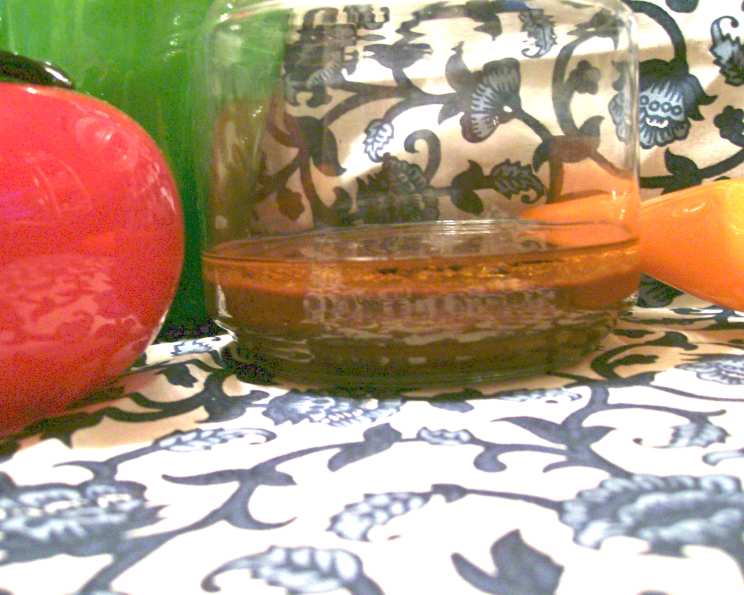
The Fiery Heart of Ethiopian Cuisine: Mastering Berbere Spice Paste
The first time I tasted berbere, it wasn’t in a fancy restaurant or a bustling market. It was in the warm, inviting kitchen of my friend Selam in Addis Ababa. The aroma alone was intoxicating – a complex dance of smoky, earthy, and fiery notes that promised an explosion of flavor. Selam was preparing a traditional doro wat, and the rich, red berbere paste was the star. As she carefully stirred it into the simmering stew, she explained that berbere is more than just a spice blend; it’s a symbol of Ethiopian hospitality and a labor of love, passed down through generations. That day, I didn’t just taste a dish; I experienced a culture.
Recipe Overview
- Prep Time: 20 minutes
- Cook Time: 15 minutes
- Total Time: 35 minutes
- Yields: About 2 cups
- Dietary Type: Vegan
Ingredients
- 1 teaspoon ginger
- 1 teaspoon ground cardamom
- ½ teaspoon ground coriander
- 1 teaspoon ground fenugreek
- ¼ teaspoon ground nutmeg
- ⅛ teaspoon ground cloves
- ⅛ teaspoon ground cinnamon
- ⅛ teaspoon ground allspice
- 2 tablespoons finely chopped onions
- 1 tablespoon minced garlic
- 2 tablespoons salt, divided
- 2 cups paprika
- 2 tablespoons ground cayenne pepper
- ½ teaspoon ground black pepper
- 1 ½ cups water
- Vegetable oil, for covering
Equipment Needed
- Cast-iron skillet
- Small jar or blender
- Spatula
- Airtight jar for storage
Instructions
-
Begin by toasting the whole spices. In a cast-iron skillet, place the ginger, cardamom, coriander, fenugreek, nutmeg, cloves, cinnamon, and allspice. Toast them over low heat. Be vigilant; this process should only take a minute or so. The goal is to awaken their aromas, not to burn them. Burnt spices will lend a bitter taste to your berbere. Remove from heat and set aside to cool completely.
-
Once the toasted spices have cooled, it’s time to create the initial spice paste. Combine the toasted spices, onions, garlic, and 1 tablespoon of the salt in a small jar or blender. Add 3 tablespoons of water. Blend until you achieve a smooth consistency. You may need to scrape down the sides of the blender a few times to ensure everything is fully incorporated.
-
Next, prepare the base of the berbere. In the same cast-iron skillet, combine the paprika, cayenne pepper, black pepper, and the remaining tablespoon of salt. Toast this mixture over low heat for another minute or so, stirring constantly. This step is crucial for developing the signature smoky flavor of berbere.
-
Now, it’s time to bring everything together. Gradually stir in the remaining water, adding it about ¼ cup at a time. This prevents the mixture from clumping and ensures a smooth paste.
-
Stir in the blended spice mixture. This will create a thick, vibrant red paste.
-
Stirring vigorously and constantly, cook the berbere over the lowest possible heat for 10-15 minutes. This slow cooking process allows the flavors to meld and deepen. Be sure to scrape the bottom of the skillet frequently to prevent sticking and burning. This step is crucial for the final flavor; do not rush it.
-
Transfer the freshly made berbere to a clean jar, packing it in tightly to eliminate air pockets.
-
Allow the paste to cool completely to room temperature. Once cooled, cover the surface of the berbere with a thin film of vegetable oil. This acts as a barrier, preventing mold growth and preserving the vibrant color and flavor of the spice paste.
-
Store the berbere in the refrigerator between uses. Properly stored, it will keep for several months.
Expert Tips & Tricks
- Spice Level Adjustment: Berbere can be quite spicy, depending on the type of cayenne pepper you use. For a milder version, reduce the amount of cayenne pepper or use a milder variety. You can also add a touch of smoked paprika for extra depth of flavor without adding heat.
- Spice Freshness: For the best flavor, use freshly ground spices whenever possible. If using pre-ground spices, make sure they are not too old, as they lose their potency over time.
- Toasting Technique: Keep a close watch on the spices while toasting. They should be fragrant but not burnt. A slight browning is desirable, but blackening indicates burning.
- Make-Ahead: You can make berbere paste well in advance. The flavors actually improve over time as they meld together.
- Dealing with Lumps: If your berbere paste becomes lumpy during cooking, use an immersion blender to smooth it out. Alternatively, you can press it through a fine-mesh sieve.
Serving & Storage Suggestions
Berbere spice paste is incredibly versatile. It is the key ingredient in many Ethiopian stews, such as doro wat (chicken stew) and sega wat (beef stew). It can also be used as a dry rub for meats or vegetables before grilling or roasting.
To serve, simply incorporate a spoonful or two of berbere into your dish, adjusting the amount to your desired level of spiciness.
Store leftover berbere in the refrigerator in an airtight container. When properly stored, it can last for several months. If you notice any mold growth, discard the paste immediately.
Berbere does not freeze well, as the texture can become grainy upon thawing. It is best to store it in the refrigerator and use it within a few months.
Nutritional Information
Please note that nutritional information is an estimate and can vary based on specific ingredients and preparation methods.
| Nutrient | Amount per Serving (1 tbsp) | % Daily Value* |
|---|---|---|
| Calories | 30 | 2% |
| Total Fat | 1g | 1% |
| Saturated Fat | 0g | 0% |
| Cholesterol | 0mg | 0% |
| Sodium | 1200mg | 50% |
| Total Carbohydrate | 5g | 2% |
| Dietary Fiber | 2g | 8% |
| Sugars | 1g | |
| Protein | 1g | 2% |
| Vitamin A | 20% | |
| Vitamin C | 10% | |
| Calcium | 2% | |
| Iron | 6% |
*Percent Daily Values are based on a 2,000 calorie diet.
Variations & Substitutions
- Vegan Berbere: This recipe is naturally vegan.
- Gluten-Free Berbere: This recipe is naturally gluten-free. However, ensure all your spices are certified gluten-free if you have a severe allergy.
- Less Spicy Berbere: Reduce the amount of cayenne pepper or substitute with sweet paprika. You can also add a pinch of brown sugar to balance the heat.
- Regional Variations: In some regions of Ethiopia, other spices like ajwain (carom seeds) or korarima (Ethiopian cardamom) are added to berbere. Feel free to experiment with different spices to create your own unique blend.
- For a smoky flavor: You can use smoked paprika instead of regular paprika.
FAQs (Frequently Asked Questions)
Q: Can I use fresh chili peppers instead of cayenne pepper?
A: Yes, you can. Remove the seeds and membranes from the fresh peppers, then roast them until softened before adding them to the blender with the other spices. Adjust the amount to your desired spice level.
Q: How long does berbere last in the refrigerator?
A: Properly stored in an airtight container with a layer of oil on top, berbere can last for several months in the refrigerator.
Q: Can I use berbere as a dry rub for meat?
A: Absolutely! Berbere makes an excellent dry rub for beef, chicken, or lamb. Simply rub the meat with the spice paste and let it marinate for at least 30 minutes before grilling or roasting.
Q: What can I do if my berbere is too spicy?
A: If your berbere is too spicy, you can add a touch of sweetness to balance the heat. Try adding a small amount of brown sugar, honey, or even a little bit of tomato paste.
Q: Can I make berbere without a blender?
A: Yes, but it will require more effort. You’ll need to finely chop or grind all the ingredients by hand using a mortar and pestle. The resulting paste may not be as smooth, but the flavor will still be delicious.
Final Thoughts
Berbere spice paste is more than just a recipe; it’s a culinary journey into the heart of Ethiopian cuisine. It’s an invitation to explore the rich and complex flavors of a culture that values hospitality and the art of sharing a meal. I encourage you to try this recipe and experience the magic of berbere for yourself. Don’t be afraid to experiment with different variations and adjust the spice level to your liking. Share your creations with friends and family, and let the fiery heart of Ethiopia warm your kitchen and your soul. Pair it with injera (Ethiopian flatbread) and a side of lentils for a truly authentic experience. Enjoy!