
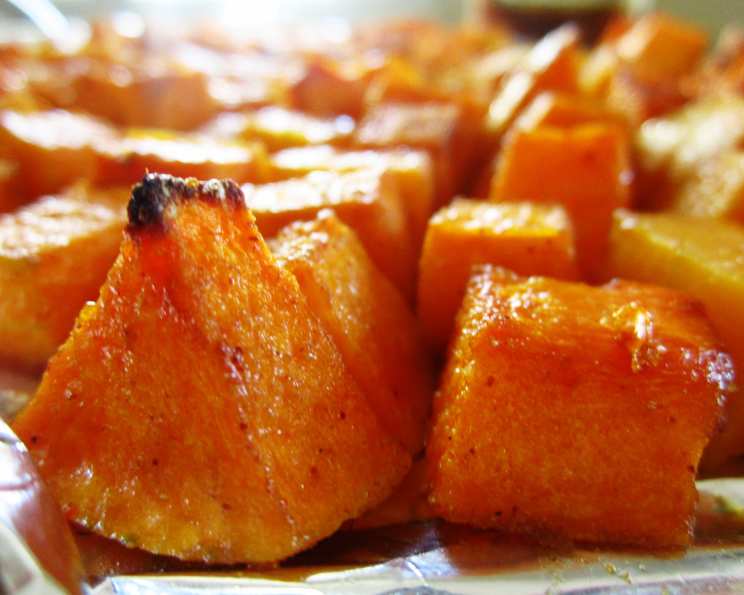
Spice-Roasted Butternut Squash: A Symphony of Autumn Flavors
The scent of roasting butternut squash always brings me back to my grandmother’s kitchen in late October. The air, crisp with the promise of winter, mingled with the sweet, nutty aroma emanating from the oven. She’d always let me sneak a taste of the golden-browned edges, each bite a burst of warmth against the autumn chill. This simple, spice-kissed butternut squash recipe is my way of carrying on that comforting tradition, a reminder of cozy gatherings and the simple joy of seasonal eating.
Recipe Overview
- Prep Time: 15 minutes
- Cook Time: 40 minutes
- Total Time: 55 minutes
- Servings: 6
- Dietary Type: Vegan, Gluten-Free, Dairy-Free
Ingredients
- 1 butternut squash, peeled, seeded, and cut into 1-inch dice
- 2 tablespoons extra virgin olive oil
- 1 ½ teaspoons ground cumin
- 1 teaspoon ground coriander
- ¼ teaspoon cayenne pepper
- Sea salt, to taste
- Fresh ground pepper, to taste
Equipment Needed
- Large bowl
- Baking sheet
Instructions
-
Preheat your oven to 425°F (220°C). Make sure your oven rack is positioned in the center for even roasting.
-
In a large bowl, combine the peeled and diced butternut squash with 2 tablespoons of extra virgin olive oil. Ensure each piece is lightly coated to promote even browning and prevent sticking to the baking sheet.
-
Add the spices: 1 ½ teaspoons of ground cumin, 1 teaspoon of ground coriander, and ¼ teaspoon of cayenne pepper. The cumin will lend an earthy warmth, the coriander a citrusy note, and the cayenne a gentle kick. Season generously with sea salt and freshly ground pepper. Don’t be afraid to taste a small piece of the squash at this stage; you want to ensure the seasoning is just right.
-
Thoroughly toss the squash with the oil and spices until each piece is evenly coated. This ensures that every bite is flavorful and aromatic.
-
Spread the seasoned butternut squash in a single layer on a baking sheet. Avoid overcrowding the pan, as this will steam the squash instead of roasting it. If necessary, use two baking sheets to ensure proper spacing.
-
Roast in the preheated oven for approximately 40 minutes, or until the squash is tender and lightly browned. About halfway through the cooking time (around 20 minutes), use a spatula to gently toss the squash. This helps ensure even cooking and browning on all sides.
-
To test for doneness, pierce a piece of squash with a fork. It should be easily pierced with minimal resistance. If the squash is still firm, continue roasting for another 5-10 minutes, checking periodically.
-
Once the squash is tender and browned to your liking, remove it from the oven and transfer it to a serving bowl.
-
Serve immediately and enjoy the symphony of autumnal flavors!
Expert Tips & Tricks
- Spice it Up (or Down): Adjust the amount of cayenne pepper to your liking. For a milder flavor, omit it altogether. For a spicier kick, add a pinch of chili flakes.
- Herbaceous Twist: For a fresh, aromatic variation, try adding a tablespoon of chopped fresh sage or thyme to the squash along with the spices.
- Sweeten the Deal: If you prefer a slightly sweeter flavor, drizzle a tablespoon of maple syrup or honey over the squash during the last 10 minutes of roasting.
- Even Roasting: Ensure the squash is cut into uniform pieces for even cooking. Larger pieces will take longer to cook, while smaller pieces may burn.
- Browning Power: For extra browning, you can broil the squash for the last minute or two of cooking, keeping a close eye to prevent burning.
- Make-Ahead Magic: The squash can be prepped (peeled, diced, and seasoned) up to a day in advance and stored in an airtight container in the refrigerator. This saves time when you’re ready to roast.
Serving & Storage Suggestions
This spice-roasted butternut squash is a versatile side dish that pairs well with a variety of main courses. Serve it alongside roasted chicken, grilled fish, or a hearty vegetarian stew. It also makes a delicious addition to salads or grain bowls.
To store leftovers, allow the squash to cool completely before transferring it to an airtight container. Store in the refrigerator for up to 3-4 days. To reheat, you can microwave it, bake it in a low oven, or sauté it in a pan until warmed through.
This dish is best served immediately after roasting to enjoy its optimal texture and flavor. However, it reheats well and can be enjoyed cold as well.
Nutritional Information
| Nutrient | Amount per Serving | % Daily Value |
|---|---|---|
| Calories | 128 kcal | – |
| Calories from Fat | 43 g | 34% |
| Total Fat | 4.9 g | 7% |
| Saturated Fat | 0.7 g | 3% |
| Cholesterol | 0 mg | 0% |
| Sodium | 8.7 mg | 0% |
| Total Carbohydrate | 22.6 g | 7% |
| Dietary Fiber | 4 g | 15% |
| Sugars | 4.2 g | 16% |
| Protein | 2 g | 4% |
Note: Nutritional information is an estimate and may vary based on specific ingredients and preparation methods.
Variations & Substitutions
- Other Winter Squash: Butternut squash can be substituted with other winter squash varieties like acorn squash, kabocha squash, or delicata squash. The cooking time may vary slightly depending on the type of squash.
- Different Spices: Experiment with different spice combinations to create your own unique flavor profile. Try adding smoked paprika, garlic powder, or onion powder.
- Nutty Crunch: Add some toasted nuts like pecans, walnuts, or pepitas (pumpkin seeds) to the squash after roasting for a crunchy texture and added flavor.
- Sweet and Spicy: For a sweet and spicy variation, add a pinch of cinnamon and a drizzle of maple syrup to the squash along with the other spices.
- Apple Cider Vinegar: A splash of apple cider vinegar after roasting brightens up the flavor and adds a tangy counterpoint to the sweetness of the squash and the warmth of the spices.
FAQs (Frequently Asked Questions)
Q: Can I use frozen butternut squash for this recipe?
A: Yes, you can use frozen butternut squash, but keep in mind that it may release more moisture during cooking. Reduce the roasting time slightly and make sure to spread the squash in a single layer on the baking sheet to promote browning.
Q: How do I peel and seed a butternut squash easily?
A: The easiest way to peel a butternut squash is to microwave it for a few minutes to soften the skin. Then, use a sharp vegetable peeler to remove the skin. To seed the squash, cut it in half lengthwise and scoop out the seeds with a spoon.
Q: Can I roast the squash with the skin on?
A: Yes, you can roast the squash with the skin on, but the skin may be tough to eat. If you prefer, you can roast the squash cut-side down and scoop out the flesh after roasting.
Q: How do I prevent the squash from sticking to the baking sheet?
A: Make sure to coat the squash evenly with olive oil before roasting. You can also line the baking sheet with parchment paper for easier cleanup and to prevent sticking.
Q: What is the best way to reheat leftover roasted butternut squash?
A: The best way to reheat leftover roasted butternut squash is to bake it in a low oven (around 300°F/150°C) until warmed through. You can also microwave it, but the texture may be slightly softer.
Final Thoughts
Spice-roasted butternut squash is a simple yet elegant dish that celebrates the flavors of autumn. Whether you’re serving it as a side dish for a holiday meal or enjoying it as a quick and easy weeknight dinner, this recipe is sure to become a favorite. Don’t be afraid to experiment with different spices and variations to create your own unique twist. So go ahead, gather your ingredients, preheat your oven, and experience the magic of perfectly roasted butternut squash. I encourage you to share your creations and feedback – happy cooking!