
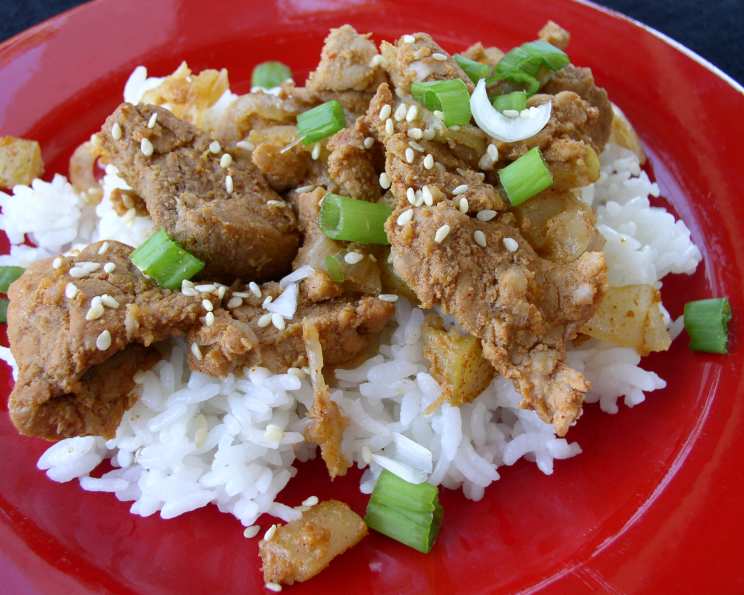
Spicy Korean Pork Stir Fry: A Taste of Seoul in Your Kitchen
The first time I had real Korean barbecue was in a tiny, bustling restaurant in Seoul, tucked away on a side street I stumbled upon while hopelessly lost. The air hummed with the sizzle of grilling meats and the boisterous laughter of locals. But among all the incredible dishes, it was the spicy pork that truly captivated me. The sweet heat, the tender texture, and the way it perfectly complemented the crisp lettuce wraps… it was a revelation. Ever since, I’ve been chasing that flavor, and this recipe brings me right back to that little restaurant in Seoul every time.
Recipe Overview
- Prep Time: 35 minutes
- Cook Time: 7 minutes
- Total Time: 42 minutes
- Servings: 3
- Yield: 3 servings
- Dietary Type: Not specified in original data
Ingredients
- 1 lb boneless pork shoulder
MARINADE
- 1 small pear, grated
- ½ medium onion, grated
- ½ teaspoon fresh ginger, minced
- 1 garlic clove, crushed
- 1 tablespoon soy sauce
- 2 tablespoons brown sugar
- 2 teaspoons sesame oil
- 3 tablespoons gochujang
STIR FRY
- 1 tablespoon oil
- 1 garlic clove, minced
- 1 onion, halved and sliced
TO SERVE
- 1 scallion, sliced, garnish
- 2 tablespoons sesame seeds, for garnish
- 3 cups cooked rice
Equipment Needed
- Large bowl
- Large non-stick skillet
Instructions
-
Begin by preparing the pork. Cut the boneless pork shoulder into thin slices. The thinner the slices, the quicker they will cook and the more surface area for the marinade to penetrate.
-
Next, prepare the marinade. In a large bowl, combine the grated pear, grated onion, minced fresh ginger, crushed garlic clove, soy sauce, brown sugar, sesame oil, and gochujang. Mix well until all ingredients are thoroughly combined, creating a vibrant, aromatic paste.
-
Add the sliced pork to the bowl with the marinade. Ensure that all the pork slices are fully coated with the marinade. This is crucial for infusing the pork with flavor.
-
Marinate the pork for at least 30 minutes, or preferably overnight in the refrigerator. The longer the pork marinates, the more flavorful and tender it will become. Overnight marination allows the flavors to deeply penetrate the meat.
-
When ready to cook, heat the oil in a large non-stick skillet over high heat. Make sure the skillet is hot before adding the garlic and onion. Using a non-stick skillet is highly recommended to prevent the pork from sticking and burning, as the sugars in the marinade can caramelize quickly.
-
Add the minced garlic and sliced onion to the hot skillet. Cook for approximately 2 minutes, or until the onion becomes translucent and slightly softened. This step releases the aromatic compounds of the garlic and onion, building a flavorful base for the stir fry.
-
Add the marinated pork to the skillet. Spread the pork out in a single layer as much as possible to ensure even cooking. Cook for about 5 minutes, or until the pork is dark golden and caramelized, and just cooked through. Be careful not to overcrowd the pan, as this will lower the temperature and cause the pork to steam instead of sear. If necessary, cook the pork in batches.
-
Ensure the pork is cooked through, but still tender. Overcooking will result in dry, tough meat. The internal temperature should reach 145°F (63°C).
-
Serve the spicy Korean pork stir fry immediately with cooked rice. Garnish with sliced scallions and sesame seeds for added flavor and visual appeal.
Expert Tips & Tricks
- For extra flavor: Add a splash of rice wine vinegar or a dash of fish sauce to the marinade.
- Spice it up: If you like your food extra spicy, add a pinch of gochugaru (Korean chili flakes) to the marinade or stir fry.
- Get a good sear: Make sure your skillet is screaming hot before adding the pork. This will help you achieve that desirable caramelized crust.
- Don’t overcrowd the pan: Cook the pork in batches if necessary to ensure proper browning.
- Marinating Magic: Marinating overnight is key for maximum flavor. If you’re short on time, even a 30-minute marinade will make a difference.
Serving & Storage Suggestions
Serve the spicy Korean pork stir fry hot, immediately after cooking, over a bed of fluffy cooked rice. The freshness of the dish is best enjoyed when the pork is still sizzling slightly and the aromas are at their peak. Garnish generously with sliced scallions and a sprinkle of sesame seeds for added texture and flavor. For a complete meal, consider serving it with a side of kimchi or other Korean side dishes like banchan.
Leftovers can be stored in an airtight container in the refrigerator for up to 3 days. To reheat, gently warm the pork in a skillet over medium heat, adding a splash of water or broth if needed to prevent drying out. You can also reheat it in the microwave, but be mindful not to overcook it. While freezing is not ideal, you can freeze the cooked pork for up to 1 month. Thaw completely before reheating.
Nutritional Information
| Nutrient | Amount per Serving | % Daily Value |
|---|---|---|
| Calories | 819.7 kcal | N/A |
| Calories from Fat | 374 g | 46% |
| Total Fat | 41.6 g | 64% |
| Saturated Fat | 12.2 g | 60% |
| Cholesterol | 107.5 mg | 35% |
| Sodium | 445.2 mg | 18% |
| Total Carbohydrate | 77.8 g | 25% |
| Dietary Fiber | 4 g | 15% |
| Sugars | 16.4 g | 65% |
| Protein | 32.4 g | 64% |
Note: Nutritional information is based on available data and may vary depending on specific ingredients and portion sizes.
Variations & Substitutions
- Chicken or Beef: You can substitute the pork shoulder with chicken thighs or beef sirloin for a different protein option. Adjust cooking times accordingly.
- Vegetarian Option: Use firm tofu or seitan for a vegetarian version. Press the tofu to remove excess water before marinating.
- Lower Sodium: Use low-sodium soy sauce to reduce the sodium content.
- Sweeter Taste: Add a tablespoon of honey or maple syrup to the marinade for a sweeter flavor.
- Vegetable Boost: Add sliced bell peppers, carrots, or broccoli florets to the stir fry for added nutrients and texture.
FAQs (Frequently Asked Questions)
Q: Can I use pork tenderloin instead of pork shoulder?
A: While you can, pork shoulder is preferred for its higher fat content, which keeps the meat moist and tender during the high-heat cooking process. Pork tenderloin is leaner and may become dry.
Q: I don’t have gochujang. What can I substitute?
A: Gochujang is a key ingredient, but in a pinch, you can use a mix of sriracha and miso paste for a similar flavor profile, although it won’t be quite the same.
Q: How do I prevent the pork from sticking to the pan?
A: Make sure your pan is hot and use a non-stick skillet. Also, don’t overcrowd the pan; cook the pork in batches if needed.
Q: Can I make this ahead of time?
A: You can marinate the pork a day in advance for deeper flavor. However, it’s best to cook the stir fry right before serving.
Q: Is this dish gluten-free?
A: No, not as written, because soy sauce typically contains gluten. You can make it gluten-free by using tamari, which is a gluten-free soy sauce alternative. Be sure to check all other ingredients as well.
Final Thoughts
I hope this recipe brings a little bit of the magic of Korean cuisine into your home! The blend of savory, spicy, and sweet flavors is truly irresistible. Don’t be afraid to experiment with the variations and substitutions to create your own unique version. Share your culinary creations and feedback – I’d love to hear how it turns out for you. Consider pairing it with a crisp, cold Korean beer or a refreshing glass of iced green tea for the ultimate Korean dining experience.