
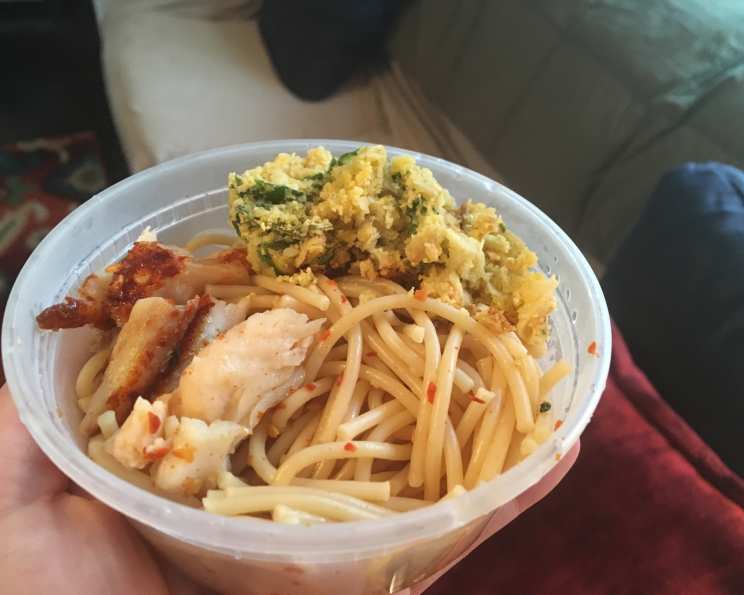
Spicy Parrot Pasta: A Culinary Adventure for Your Feathered Friend
I’ll never forget the first time I introduced spice into my African Grey’s diet. Initially, I was hesitant – chili peppers and parrots just didn’t seem like a natural combination. However, after doing some research and consulting with avian vets, I learned that parrots actually lack the taste receptors for capsaicin, the compound that makes chili peppers hot. My bird, Zephyr, took to it instantly. Now, “Spicy Parrot Pasta” is a regular fixture in our weekly meal prep, and it’s a joy watching him devour it with gusto, completely unfazed by the heat that would leave me reaching for a glass of milk!
Recipe Overview
- Prep Time: 5 minutes
- Cook Time: 15 minutes
- Total Time: 20 minutes
- Servings: 1 parrot
- Yields: 1 serving
- Dietary Type: Adaptable (Vegetarian/Vegan/Omnivore)
Ingredients
- Spaghetti: A serving for 1 person, one small handful
- Cayenne Pepper: 2 teaspoons
- Crushed Red Pepper Flakes: 1 1/2 tablespoons
- Ground Cumin: 1 teaspoon
- Vegetables: 2 tablespoons of your choice (e.g., carrots, broccoli, peas, green beans, Swiss chard)
- Protein: 2 tablespoons of your choice (e.g., salmon, fish, chicken, turkey, eggs)
- Water: 3-4 cups for boiling pasta
Ingredient Notes:
- The type of pasta can be adjusted based on your parrot’s preference. Whole wheat pasta provides additional fiber.
- Vegetables can be fresh, frozen, or pre-cooked (without added salt, butter, or seasonings).
- Choose a lean protein source and ensure it is fully cooked.
- Adjust the amount of cayenne and red pepper flakes to your parrot’s tolerance level. Start with a smaller amount and gradually increase it over time.
Equipment Needed
- Small pot
- Steamer (stove-top or microwave)
- Colander
- Mixing bowl
Instructions
- Add 3-4 cups of water and the spaghetti to a small pot. Ensure there is enough water to fully submerge the pasta.
- Add the cayenne pepper, crushed red pepper flakes, and ground cumin to the water and pasta. This infuses the pasta with flavor as it cooks.
- Bring the mixture to a boil over high heat. Once boiling, reduce the heat to medium-high to medium and allow the pasta to cook for 8-10 minutes, stirring occasionally to prevent sticking.
- While the pasta is cooking, prepare the vegetables. You can use a steamer on the stove or microwave to cook or heat them up. Alternatively, use vegetables from your own dinner before adding any butter, salt, or other seasonings. Ensure the vegetables are cooked until tender-crisp.
- Once the pasta is cooked al dente (slightly firm to the bite), drain it in a colander. Do NOT rinse the pasta, as rinsing will remove the flavorful spices.
- Place the drained pasta in an appropriately sized mixing bowl. Add the cooked vegetables and protein to the pasta.
- Allow the “meal” to cool for about 5-10 minutes before serving to your parrot. This prevents burns and allows the flavors to meld.
Expert Tips & Tricks
- Spice Level Adjustment: Begin with a smaller quantity of cayenne and red pepper flakes if you’re unsure how your parrot will react. You can always increase the amount in future batches.
- Vegetable Variety: Rotate the types of vegetables you use to provide a range of nutrients and flavors. Some parrots enjoy sweet potatoes, bell peppers, and even small amounts of dark leafy greens like kale or spinach.
- Protein Rotation: Just as with vegetables, vary the protein source. Offer small amounts of cooked chicken, fish (such as salmon), hard-boiled eggs, or even cooked lentils.
- Pasta Doneness: Overcooked pasta can become mushy, which many parrots find unappealing. Aim for an al dente texture.
- Make-Ahead Option: Cook the pasta, vegetables, and protein ahead of time and store them separately in the refrigerator for up to 2 days. Combine and cool before serving.
- Spice Infusion: For a deeper flavor, consider sautéing the spices in a small amount of olive oil or coconut oil before adding them to the water. Be sure to let the oil cool before mixing with the other ingredients.
- Presentation Matters: While parrots aren’t necessarily concerned with aesthetics, offering the pasta in an appealing way can encourage them to eat. Try serving it in a clean, shallow dish or on a foraging toy.
Serving & Storage Suggestions
Serve the Spicy Parrot Pasta in a clean, designated food bowl. Ensure the pasta has cooled sufficiently to prevent burns. Observe your parrot while it eats to ensure it is enjoying the meal and not experiencing any adverse reactions.
Storage:
- Room Temperature: Do not leave the pasta at room temperature for more than 2 hours, as bacteria can grow rapidly.
- Refrigerator: Store leftover pasta in an airtight container in the refrigerator for up to 2 days.
- Freezer: Freezing is not recommended, as the texture of the pasta and vegetables may change upon thawing.
Reheating:
If reheating, microwave the pasta for a short period (15-30 seconds) or warm it in a pan over low heat. Ensure it is cooled before serving.
Nutritional Information
Please note that this is an estimated nutritional information and may vary depending on the specific ingredients used.
| Nutrient | Amount per Serving |
|---|---|
| Calories | ~300 kcal |
| Protein | ~15g |
| Total Fat | ~8g |
| Carbohydrates | ~40g |
| Fiber | ~5g |
| Vitamin A | Varies |
| Vitamin C | Varies |
| Calcium | Varies |
| Iron | Varies |
Variations & Substitutions
- Gluten-Free: Use gluten-free pasta made from rice, quinoa, or corn.
- Vegan: Substitute the animal protein with cooked lentils, beans, or tofu. Ensure the tofu is baked or air-fried to remove excess moisture.
- Lower Sodium: Omit or reduce the amount of crushed red pepper flakes and use fresh herbs for flavor.
- Milder Spice: Substitute smoked paprika for some of the cayenne pepper for a smoky flavor without as much heat.
- Seasonal Vegetables: Adjust the vegetables based on what is fresh and in season.
FAQs (Frequently Asked Questions)
Q: Is it safe to give my parrot spicy food?
A: Yes, parrots lack the taste receptors for capsaicin, so they don’t experience the “heat” in the same way humans do. However, it’s best to start with a small amount and gradually increase it over time.
Q: Can I use canned vegetables instead of fresh or frozen?
A: While you can use canned vegetables, they often contain high levels of sodium. If using canned vegetables, rinse them thoroughly to remove excess salt.
Q: What if my parrot doesn’t like the pasta at first?
A: It may take some time for your parrot to adjust to new flavors and textures. Try offering a small amount alongside their regular food, and be patient.
Q: Can I add fruit to the pasta?
A: Yes, small amounts of certain fruits like berries or diced apple can be a healthy addition, providing extra vitamins and antioxidants. Ensure the fruit is pesticide-free.
Q: How often should I feed my parrot Spicy Parrot Pasta?
A: Spicy Parrot Pasta should be offered as a part of a balanced diet. Offer it 2-3 times per week as a supplementary meal, alongside a high-quality pelleted diet, fresh fruits, and vegetables.
Final Thoughts
Don’t be afraid to experiment and adapt this Spicy Parrot Pasta recipe to suit your feathered friend’s individual preferences. It’s a fantastic way to introduce variety into their diet, provide essential nutrients, and maybe even discover a new favorite dish. I encourage you to try this recipe, share your experiences, and let me know how your parrot enjoys it! Remember to always prioritize your parrot’s health and consult with an avian veterinarian if you have any concerns about their diet. Happy cooking!