
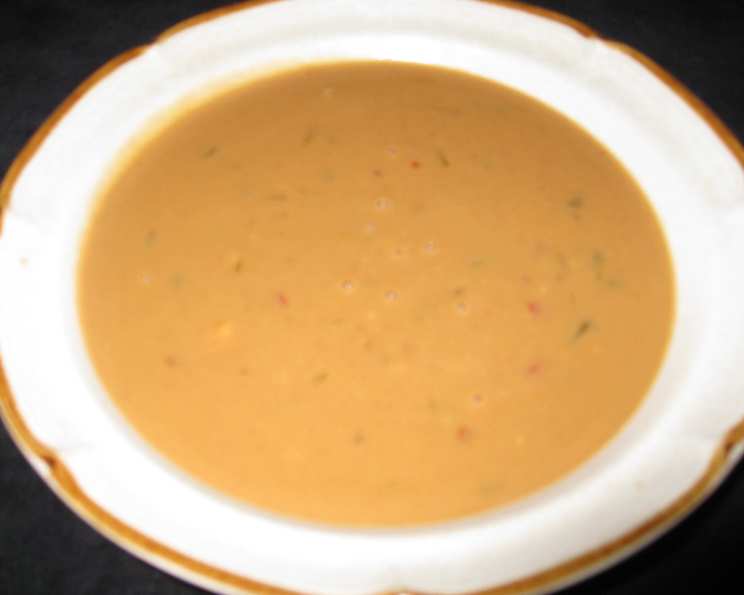
Spicy Peanut Sauce: A Culinary Adventure
I’ll never forget the first time I tasted a truly exceptional peanut sauce. I was backpacking through Southeast Asia, and a street vendor in Bangkok offered me a grilled chicken skewer drizzled with a vibrant, fragrant sauce. The explosion of flavors – the savory peanuts, the tangy vinegar, the subtle sweetness, and that unmistakable kick of chili – completely blew me away. I knew right then I had to learn how to recreate that magic at home. This recipe is my humble attempt to capture that same unforgettable experience, and I can’t wait to share it with you.
Recipe Overview
- Prep Time: 5 minutes
- Cook Time: 8 minutes
- Total Time: 13 minutes
- Yield: 4 cups (approx)
- Dietary Type: Vegetarian (easily adaptable to vegan)
Ingredients
- 3-5 tablespoons vegetable oil (do not use olive oil for this)
- 5 scallions, chopped very fine
- 2 garlic cloves, finely minced
- 2 tablespoons fresh ginger, finely grated
- 2 cups water
- 1 cup peanut butter (can add in more to make a thicker sauce)
- 1/2 cup soy sauce
- 1/3 cup white vinegar
- 6 tablespoons packed brown sugar (1/4 cup plus 2 tablespoons)
- 1-2 tablespoons Thai-style chili sauce (I use Kikkoman chili sauce for this)
Equipment Needed
- Saucepan
- Whisk
- Measuring cups and spoons
- Grater
- Cutting board
- Knife
Instructions
- In a saucepan, heat vegetable oil over medium heat. Be sure to use a neutral oil like vegetable or canola, as olive oil will overpower the other flavors.
- Add the finely chopped scallions, minced garlic, and grated fresh ginger to the hot oil. Sauté these aromatics for about 1 minute, or until they become fragrant and slightly softened. This step is crucial for building a flavorful base.
- Pour in the water, then stir in the peanut butter, soy sauce, white vinegar, and brown sugar.
- Add the Thai-style chili sauce. Start with 1 tablespoon and taste as you go, adding more to reach your desired level of spiciness. Remember, you can always add more, but you can’t take it away!
- Bring the mixture to a simmer, stirring constantly to prevent sticking or burning. A simmer is a gentle bubbling, not a rolling boil.
- Continue to simmer the sauce, stirring occasionally, until it is smooth and the ingredients are well combined. This should take approximately 7 minutes.
- Remove the saucepan from the heat and allow the sauce to cool to room temperature before serving.
- NOTE: If you refrigerate the sauce, and you find that it is too thick after chilling, stir in a couple of tablespoons of hot water and stir until combined, adding more hot water until the sauce is of the right consistency.
- This sauce is best served at room temperature.
Expert Tips & Tricks
- Peanut Butter Power: For the best flavor, use a natural peanut butter with no added sugar or stabilizers. If you prefer a smoother sauce, opt for creamy peanut butter; for a bit of texture, use chunky.
- Ginger Grating: When grating fresh ginger, peel it first and use a microplane or fine grater to release its potent flavor and aroma.
- Spice Level Control: Taste the chili sauce before adding it to the sauce, as brands can vary in heat levels. If you don’t have Thai-style chili sauce on hand, you can substitute 1/2 – 1 teaspoon (or to taste) of red pepper flakes.
- Consistency is Key: If you prefer a thicker sauce, add more peanut butter, one tablespoon at a time, until you reach the desired consistency. Alternatively, you can simmer the sauce for a longer period to reduce the water content.
- Flavor Boost: For an extra layer of complexity, add a squeeze of lime juice or a dash of sesame oil to the finished sauce.
Serving & Storage Suggestions
This spicy peanut sauce is incredibly versatile. Serve it as a dipping sauce for grilled chicken or beef skewers, spring rolls, or vegetables. It’s also fantastic tossed with noodles, drizzled over salads, or used as a marinade for tofu or tempeh.
- Storage: Store leftover peanut sauce in an airtight container in the refrigerator for up to 3 days.
- Reheating: If the sauce thickens in the refrigerator, simply stir in a tablespoon or two of hot water until it reaches your desired consistency. The sauce is best served at room temperature, but it can also be gently warmed in the microwave or on the stovetop. Do not boil when reheating.
- Freezing: While peanut sauce can be frozen, the texture may change slightly upon thawing. If you choose to freeze it, store it in an airtight container for up to 2 months. Thaw overnight in the refrigerator and stir well before serving.
Nutritional Information
| Nutrient | Amount per Serving | % Daily Value |
|---|---|---|
| Calories | 588.3 kcal | N/A |
| Total Fat | 42.8 g | 65% |
| Saturated Fat | 8 g | 39% |
| Cholesterol | 0 mg | 0% |
| Sodium | 2379.2 mg | 99% |
| Total Carbohydrate | 38.2 g | 12% |
| Dietary Fiber | 5 g | 19% |
| Sugars | 27.5 g | N/A |
| Protein | 20.6 g | 41% |
Note: Nutritional information is an estimate and may vary based on specific ingredients and serving sizes.
Variations & Substitutions
- Vegan Option: To make this recipe vegan, ensure that your soy sauce is gluten-free and vegan. Some soy sauces contain honey or other animal-derived ingredients.
- Gluten-Free: Use tamari instead of soy sauce for a gluten-free version.
- Sweetness Adjustment: If you prefer a sweeter sauce, add a tablespoon or two of honey or maple syrup in addition to the brown sugar.
- Nutty Boost: Add a tablespoon of toasted sesame seeds or chopped peanuts for added flavor and texture.
- Extra Spice: For a more intense heat, add a pinch of cayenne pepper or a few drops of your favorite hot sauce.
FAQs (Frequently Asked Questions)
Q: Can I use honey instead of brown sugar?
A: Yes, you can substitute honey for brown sugar in this recipe. Start with an equal amount (6 tablespoons) and adjust to taste.
Q: How can I make this sauce thicker?
A: To thicken the sauce, add more peanut butter, one tablespoon at a time, until you reach your desired consistency. You can also simmer the sauce for a longer period to reduce the water content.
Q: Can I use a different type of vinegar?
A: While white vinegar is recommended for its neutral flavor, you can experiment with other types of vinegar, such as rice vinegar or apple cider vinegar. These will impart slightly different flavor profiles to the sauce.
Q: Can I use this sauce as a marinade?
A: Absolutely! This sauce makes an excellent marinade for chicken, tofu, or vegetables. Marinate for at least 30 minutes, or up to overnight, for maximum flavor.
Q: How long does the sauce last in the refrigerator?
A: When stored in an airtight container, this sauce will last for up to 3 days in the refrigerator. If you find that the sauce is too thick after chilling, stir in a couple of tablespoons of hot water and stir until combined, adding more hot water until the sauce is of the right consistency.
Final Thoughts
I hope you’re inspired to try this Spicy Peanut Sauce recipe. It’s a fantastic way to add a burst of flavor to your favorite dishes. Don’t be afraid to experiment with the ingredients and adjust the spice level to your liking. Once you’ve mastered the basics, the possibilities are endless! Feel free to share your creations and feedback – I can’t wait to hear how it turns out for you. Pair this sauce with grilled chicken satay for a truly authentic Southeast Asian experience!