
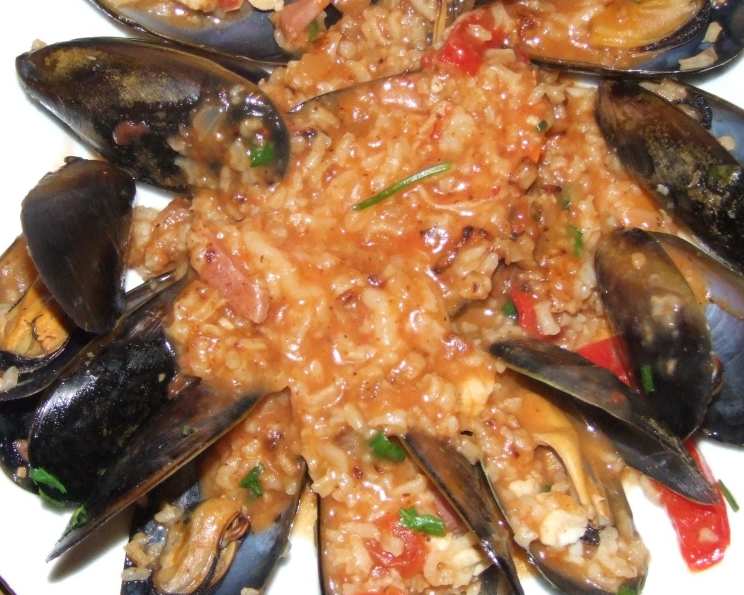
Spicy Seafood Jambalaya: A Taste of the Bayou
The first time I tasted jambalaya, I was a wide-eyed culinary student on a field trip to New Orleans. The aroma alone – a heady mix of spices, seafood, and smoky sausage – was intoxicating. But it was the first bite that truly transported me. The tender rice, bursting with savory flavors and the succulent seafood, felt like a warm embrace. It was more than just a meal; it was a story told through ingredients, a vibrant expression of Louisiana’s heart and soul. Since then, I’ve been chasing that perfect jambalaya, and this spicy seafood version comes incredibly close, perfectly capturing the spirit of the bayou.
Recipe Overview
- Prep Time: 20 minutes
- Cook Time: 25 minutes
- Total Time: 45 minutes
- Servings: 4
- Yield: 1 large pan
- Dietary Type: Pescatarian
Ingredients
- 1 tablespoon olive oil
- 1 yellow onion, chopped
- 2 slices bacon, chopped
- 1 small red capsicum (bell pepper), seeded and cut into 2 cm pieces
- 2 cloves garlic, chopped
- 1 pinch dried thyme
- 1 1⁄2 tablespoons cajun seasoning
- 1 teaspoon cayenne pepper
- 1 1⁄2 cups long grain rice
- 2 tablespoons tomato paste
- 1 (425 g) can chopped tomatoes
- 1 1⁄2 cups chicken stock
- 1 cup dry white wine (such as Sauvignon Blanc or Pinot Grigio)
- 500 g medium green shrimp, peeled and deveined with tails intact
- 500 g mussels, scrubbed and beards removed
- 250 g fish fillets (such as cod, snapper, or halibut), cubed
- 1⁄2 cup coriander leaves (cilantro), chopped
- Sea salt
- Pepper
Equipment Needed
- Large flameproof pan with a lid (Dutch oven or large skillet)
- Cutting board
- Chef’s knife
- Measuring cups and spoons
- Wooden spoon or spatula
Instructions
-
Heat the olive oil in a large flameproof pan with a lid over medium heat. The pan should be large enough to hold all the ingredients comfortably.
-
Add the chopped onion, bacon, red capsicum, and garlic to the pan. Sauté for about 5 minutes, or until the vegetables are soft and the bacon is lightly browned. This step builds the flavor base of the jambalaya, so don’t rush it.
-
Stir in the dried thyme, cajun seasoning, and cayenne pepper. Cook for 2 minutes, stirring constantly, to toast the spices and release their aromas. Be careful not to burn them.
-
Add the long grain rice to the pan and stir well to coat the grains with the spice mixture. This helps to prevent the rice from sticking together during cooking.
-
Incorporate the tomato paste, chopped tomatoes, chicken stock, and white wine. Bring the mixture to a boil over medium-high heat. The wine adds acidity and depth to the dish. If you prefer not to use wine, you can substitute it with more chicken stock.
-
Once boiling, reduce the heat to low, cover the pan tightly with the lid, and simmer for 10-15 minutes, or until the rice is just tender and most of the liquid has been absorbed. It’s important to keep the lid on tightly to ensure the rice steams properly. Avoid lifting the lid during cooking, as this will release steam and affect the cooking time.
-
Add the shrimp, mussels, and fish to the pan. Cover again and cook for a further 3 minutes, or until the seafood is cooked through and the mussels have opened. The shrimp should be pink and opaque, and the fish should flake easily with a fork.
-
Discard any mussels that have not opened during cooking. These are not safe to eat.
-
Stir in the chopped coriander leaves, season to taste with sea salt and pepper, and serve immediately. Fresh coriander (cilantro) adds a bright, herbaceous note to the jambalaya. Adjust the seasoning according to your preference.
Expert Tips & Tricks
- Spice Level Control: Adjust the amount of cayenne pepper to control the heat level of your jambalaya. If you’re sensitive to spice, start with half a teaspoon and add more to taste.
- Seafood Freshness: Use the freshest seafood possible for the best flavor and texture. If using frozen seafood, thaw it completely before adding it to the pan.
- Rice Perfection: Don’t overcook the rice. It should be tender but still have a slight bite to it. If the rice is cooked but there’s still too much liquid in the pan, remove the lid and cook over low heat for a few minutes, stirring occasionally, until the liquid has evaporated.
- Flavor Enhancement: For an extra layer of flavor, add a tablespoon of Worcestershire sauce or a dash of hot sauce along with the spices.
Serving & Storage Suggestions
Serve the spicy seafood jambalaya hot, straight from the pan. Garnish with extra coriander leaves and a wedge of lemon or lime for a burst of freshness. It pairs well with crusty bread or a simple green salad.
Leftovers can be stored in an airtight container in the refrigerator for up to 2 days. To reheat, gently warm in a pan over low heat, adding a splash of chicken stock or water if needed to prevent it from drying out. Jambalaya can also be frozen for up to 1 month. Thaw overnight in the refrigerator before reheating. Due to the seafood content, it is best consumed within a short timeframe.
Nutritional Information
| Nutrient | Amount per Serving | % Daily Value |
|---|---|---|
| Calories | 690.6 kcal | N/A |
| Calories from Fat | 105 g | 15% |
| Total Fat | 11.8 g | 18% |
| Saturated Fat | 2.3 g | 11% |
| Cholesterol | 232.3 mg | 77% |
| Sodium | 1354.2 mg | 56% |
| Total Carbohydrate | 76.2 g | 25% |
| Dietary Fiber | 3.6 g | 14% |
| Sugars | 7.9 g | 31% |
| Protein | 55.8 g | 111% |
Variations & Substitutions
- Vegetarian Jambalaya: Omit the bacon and seafood and add vegetables such as diced zucchini, eggplant, and mushrooms. Use vegetable stock instead of chicken stock.
- Chicken and Sausage Jambalaya: Substitute the seafood with diced chicken thighs and Andouille sausage.
- Spicier Version: Add a chopped jalapeno pepper or a few dashes of your favorite hot sauce for an extra kick.
- Coconut Milk Jambalaya: Replace the chicken stock with coconut milk for a richer, creamier flavor. This adds a hint of sweetness that complements the spices beautifully.
- Different Rice: While long grain rice is traditional, you can experiment with other types of rice, such as brown rice or jasmine rice, but be aware that cooking times may need to be adjusted.
FAQs (Frequently Asked Questions)
Q: Can I make this jambalaya ahead of time?
A: While best served fresh, you can prepare the base (rice, vegetables, and spices) up to a day in advance. Add the seafood just before serving to prevent it from overcooking.
Q: What’s the best way to clean mussels?
A: Scrub the mussels under cold running water to remove any dirt or debris. Remove the beard (the stringy part that protrudes from the shell) by pulling it firmly towards the hinge of the shell.
Q: Can I use frozen shrimp and fish?
A: Yes, but be sure to thaw them completely before adding them to the jambalaya. Pat them dry with paper towels to remove excess moisture.
Q: How do I know when the seafood is cooked through?
A: The shrimp should be pink and opaque, the mussels should be open, and the fish should flake easily with a fork.
Q: What if I don’t have Cajun seasoning?
A: You can make your own Cajun seasoning by combining paprika, cayenne pepper, garlic powder, onion powder, dried oregano, dried thyme, and black pepper.
Final Thoughts
This spicy seafood jambalaya is a celebration of flavors and textures, a dish that’s perfect for a cozy weeknight dinner or a lively gathering with friends. Don’t be intimidated by the ingredient list; the process is simpler than it seems, and the results are truly rewarding. Gather your ingredients, put on some upbeat music, and let the aromas of the bayou fill your kitchen. I encourage you to try this recipe and make it your own. Feel free to experiment with different seafood combinations or spice levels to create a jambalaya that perfectly suits your taste. And don’t forget to share your creations and feedback – I can’t wait to hear what you think! Perhaps serve it with a crisp Sauvignon Blanc to cut through the richness and spice, completing the experience. Bon appétit!