
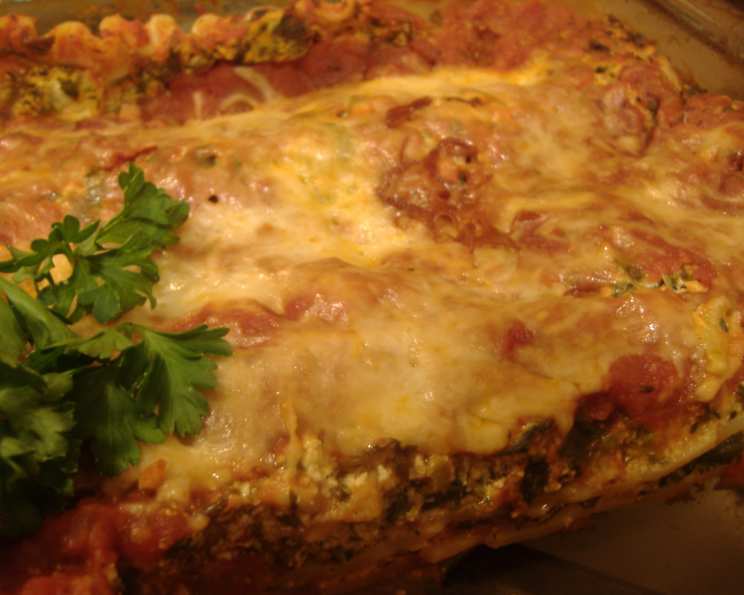
Spinach Lasagna: A Weeknight Delight
My grandmother, a woman whose kitchen always smelled of garlic and simmering tomatoes, believed lasagna was a love language. Not the fussy, multi-layered, béchamel-drenched kind, but a hearty, comforting version that could feed a crowd on a moment’s notice. I remember watching her, apron dusted with flour, effortlessly layering noodles, cheese, and sauce – a simple act that somehow transformed into a magical, soul-warming meal. This spinach lasagna recipe is a tribute to her practical approach and unwavering love for good food, made easy enough for even the busiest weeknight.
Recipe Overview
- Prep Time: 20 minutes
- Cook Time: 1 hour 15 minutes
- Total Time: 1 hour 35 minutes
- Servings: 8
- Yield: 1 pan
- Dietary Type: Vegetarian
Ingredients
- 1 (15 ounce) container ricotta cheese
- 2 cups shredded mozzarella cheese, divided
- 1 (10 ounce) package frozen spinach, thawed and well drained
- 1 egg
- 1 teaspoon salt
- ⅛ teaspoon pepper
- ¾ teaspoon oregano
- 1 (26 ounce) jar your favorite spaghetti sauce
- ½ lb uncooked lasagna noodles, can use any variety
- 1 cup water
Equipment Needed
- 9×13 inch baking dish
- Medium bowl
- Grease (cooking spray or oil)
- Aluminum foil
Instructions
- Preheat your oven to 350°F (175°C). Prepare your 9×13 inch baking dish by greasing it well with cooking spray or a little olive oil. This will prevent the lasagna from sticking and make serving easier.
- In a medium bowl, combine the ricotta cheese, 1 cup of the shredded mozzarella cheese, the egg, the thawed and well-drained spinach, salt, pepper, and oregano. Mix everything together thoroughly until well combined. Ensure the spinach is really squeezed dry, as excess moisture can make the lasagna watery.
- Spread ⅓ of the spaghetti sauce evenly across the bottom of the prepared baking dish. If you find that your sauce is a bit thick, you can thin it with a little water to help it spread more easily and ensure you have enough to cover all the layers.
- Place half of the uncooked lasagna noodles over the layer of sauce. You can overlap them slightly to ensure the entire surface is covered. Don’t worry about pre-boiling the noodles – they will cook perfectly in the oven.
- Spread half of the ricotta cheese mixture evenly over the noodles. Try to distribute it as uniformly as possible for consistent flavor in every bite.
- Repeat the layering process: Spread another ⅓ of the spaghetti sauce over the cheese mixture. Then, add the remaining uncooked lasagna noodles, followed by the remaining ricotta cheese mixture.
- Sprinkle the remaining 1 cup of mozzarella cheese evenly over the top layer of ricotta.
- Drizzle any remaining spaghetti sauce over the top of the mozzarella cheese. This adds visual appeal and ensures the top layer doesn’t dry out during baking.
- Pour the 1 cup of water around the edges of the lasagna in the baking dish. This helps to create steam during baking, which aids in cooking the noodles and keeping the lasagna moist.
- Cover the baking dish securely with aluminum foil. This traps the steam and prevents the cheese from browning too quickly.
- Bake in the preheated oven at 350°F (175°C) for 1 hour and 15 minutes.
- Carefully remove the aluminum foil from the baking dish and bake for another 10 to 15 minutes, or until the cheese is melted, bubbly, and lightly golden brown.
- Remove the lasagna from the oven and let it stand for 10 minutes before cutting and serving. This allows the lasagna to set and makes it easier to slice.
Expert Tips & Tricks
- Drain the spinach thoroughly: Squeeze out as much excess water as possible from the thawed spinach. Use your hands, a clean kitchen towel, or a potato ricer to remove the moisture. This prevents a watery lasagna.
- Don’t overcook the noodles: Since you’re using uncooked noodles, it’s important to add enough moisture (the water) to the dish to allow them to cook properly.
- Customize the sauce: Feel free to enhance your spaghetti sauce with additional herbs, spices, or vegetables to suit your taste. A pinch of red pepper flakes can add a subtle kick.
- Make-ahead magic: Assemble the lasagna ahead of time and store it, covered, in the refrigerator for up to 24 hours before baking. This is a great way to save time on busy days. You may need to add 10-15 minutes to the baking time if baking directly from the refrigerator.
- Broiler boost: If you want a more golden-brown and bubbly cheese topping, you can broil the lasagna for a minute or two after removing the foil, keeping a close eye to prevent burning.
Serving & Storage Suggestions
Serve the spinach lasagna warm, either as a main course or alongside a fresh salad and some crusty bread. A simple green salad with a vinaigrette dressing complements the richness of the lasagna.
Leftover lasagna can be stored in the refrigerator for up to 3-4 days. To reheat, cover a slice with foil and bake in a preheated oven at 350°F (175°C) until heated through, or microwave on medium power until warm. You can also freeze individual portions of lasagna for up to 2-3 months. Thaw overnight in the refrigerator before reheating.
Nutritional Information
| Nutrient | Amount per Serving | % Daily Value |
|---|---|---|
| Calories | 349.9 kcal | N/A |
| Calories from Fat | 144 g | 41% |
| Total Fat | 16 g | 24% |
| Saturated Fat | 8.9 g | 44% |
| Cholesterol | 74.6 mg | 24% |
| Sodium | 757.8 mg | 31% |
| Total Carbohydrate | 32.2 g | 10% |
| Dietary Fiber | 3.4 g | 13% |
| Sugars | 5.9 g | N/A |
| Protein | 19.2 g | 38% |
Nutritional information is an estimate and may vary based on specific ingredients and portion sizes.
Variations & Substitutions
- Gluten-free: Use gluten-free lasagna noodles for a gluten-free version.
- Vegan: Substitute ricotta cheese with a plant-based alternative, use vegan mozzarella shreds, and replace the egg with flaxseed meal mixed with water (1 tablespoon flaxseed meal + 3 tablespoons water, let sit for 5 minutes).
- Meat lovers: Add a layer of cooked ground beef, sausage, or turkey to the lasagna for a meatier version. Brown the meat separately and drain off any excess grease before adding it to the lasagna.
- Vegetable medley: Incorporate other vegetables like sautéed mushrooms, zucchini, bell peppers, or eggplant for added nutrients and flavor.
FAQs (Frequently Asked Questions)
Q: Can I use fresh spinach instead of frozen?
A: Yes, you can use fresh spinach. You’ll need about 1 pound of fresh spinach. Sauté it until wilted, then chop it and drain well before adding it to the ricotta mixture.
Q: Do I really need to drain the spinach so thoroughly?
A: Yes! Excess water from the spinach is the number one cause of watery lasagna. Take the time to squeeze it dry.
Q: Can I use a different type of cheese?
A: Absolutely! Fontina, provolone, or a blend of Italian cheeses would work well.
Q: My noodles are still a bit firm after baking. What did I do wrong?
A: Ensure you added the full cup of water to the baking dish. Also, check that your oven temperature is accurate. If necessary, bake for an additional 15 minutes, covered with foil.
Q: Can I add garlic to this lasagna?
A: Definitely! Add minced garlic to the spaghetti sauce or to the ricotta mixture for extra flavor.
Final Thoughts
This spinach lasagna is more than just a recipe; it’s an invitation to create a comforting, satisfying meal that’s perfect for any occasion. Whether you’re feeding a family, hosting a potluck, or simply craving a taste of home, this dish is sure to please. Don’t be afraid to experiment with variations and make it your own. Gather your ingredients, preheat your oven, and get ready to experience the simple joy of homemade lasagna. I hope you enjoy making and sharing this recipe as much as I do. Buon appetito!