
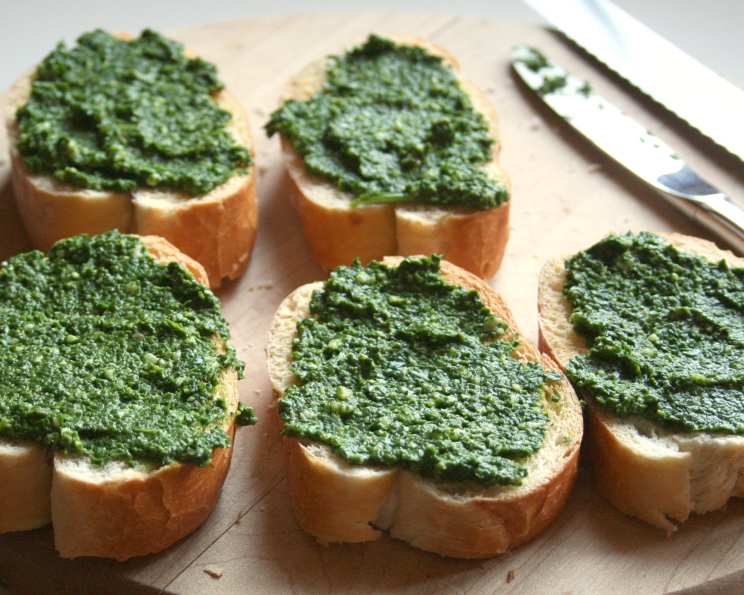
Vibrant Spinach Pesto: A Nut-Free Delight
I’ll never forget the first time I tasted pesto. It was a summer evening in Liguria, Italy, the birthplace of this glorious sauce. The aroma of fresh basil hung heavy in the air, mingled with the salty tang of the sea. Yet, as much as I adore traditional basil pesto, there are times when I crave something a little different, something a bit brighter and equally delicious. And that’s when I turn to my beloved spinach pesto – a vibrant, nut-free alternative that bursts with fresh flavors and is incredibly versatile.
Recipe Overview
- Prep Time: 10 minutes
- Cook Time: 10 minutes
- Total Time: 20 minutes
- Servings: 4-6
- Yield: About 1 cup of pesto
- Dietary Type: Vegetarian (can be easily made vegan)
Ingredients
- 2 cups spinach (baby spinach or regular spinach)
- ½ lemon, juice and zest of
- 1-2 garlic clove (pressed)
- ⅓ cup olive oil
- 1 ounce parmigiano-reggiano cheese (grated) (omit for vegan version, nutritional yeast can be used as an alternative)
- ¼ cup sun-dried tomatoes (optional, add as much as you like)
- ½ teaspoon sea salt
- ½ teaspoon black pepper
- 1 lb pasta (thin spaghetti, spaghetti or angel hair pasta)
Equipment Needed
- Food Processor
- Large pot
- Pasta bowl
- Lemon zester
- Garlic press
Instructions
-
Begin by bringing a large pot of salted water to a boil. This is for your pasta, so make sure there’s enough water for it to cook properly.
-
While the water is heating, prepare the spinach pesto. In a food processor, combine the spinach, lemon zest, lemon juice, garlic, olive oil, sea salt, black pepper, and parmigiano-reggiano cheese (and sun-dried tomatoes, if using).
-
Process the mixture until the spinach is finely chopped and all the ingredients are well combined into a smooth, vibrant green sauce. You may need to stop the processor a few times to scrape down the sides of the bowl to ensure everything is evenly incorporated.
-
Once the water is boiling, add the pasta and cook according to the package directions until al dente. This usually takes around 8-10 minutes, but it’s always best to taste a strand of pasta to ensure it’s cooked to your liking.
-
Before draining the pasta, reserve about 1-2 tablespoons of pasta water. This starchy water will help to emulsify the pesto and create a creamier sauce.
-
Drain the pasta and immediately transfer it to a large pasta bowl.
-
Pour the spinach pesto mixture over the hot pasta.
-
Toss the pasta and pesto together to coat the strands evenly. If the pesto seems a bit thick, add a tablespoon or two of the reserved pasta water to loosen it up and create a smoother consistency.
-
Serve immediately.
Expert Tips & Tricks
- Don’t overheat the pesto: Heating pesto can dull its bright green color and diminish its fresh flavor. That’s why it’s best to toss the pesto with the hot pasta rather than cooking it on the stove.
- Taste and adjust: Always taste the pesto before serving and adjust the seasonings as needed. You might want to add a pinch more salt, pepper, or a squeeze of lemon juice to brighten the flavors.
- Use high-quality ingredients: The quality of your ingredients will significantly impact the flavor of the pesto. Use fresh, vibrant spinach, good quality olive oil, and real Parmigiano-Reggiano cheese for the best results. If using sundried tomatoes, opt for the oil-packed ones for a richer flavor.
- For a smoother pesto: If you prefer a super smooth pesto, you can blanch the spinach for a minute or two before processing it. This will also help to preserve the bright green color. Just be sure to squeeze out any excess water before adding it to the food processor.
- Make it vegan: Simply omit the Parmigiano-Reggiano cheese or substitute it with nutritional yeast for a cheesy flavor. You may need to add a little extra salt to compensate for the missing saltiness of the cheese.
- Storage: Store leftovers in an airtight container in the refrigerator for up to 3 days. You can also freeze pesto for longer storage. Portion it into ice cube trays and then transfer the frozen cubes to a freezer bag. This makes it easy to thaw just the amount you need.
Serving & Storage Suggestions
Serve the spinach pesto pasta immediately while it’s hot and the pesto is still vibrant green. Garnish with a sprinkle of extra grated Parmigiano-Reggiano cheese (if not vegan) and a few fresh spinach leaves for a beautiful presentation.
This pesto is also fantastic served with grilled chicken or fish, spread on sandwiches or crostini, or used as a dip for vegetables.
Leftover spinach pesto pasta can be stored in an airtight container in the refrigerator for up to 3 days. Reheat gently in a skillet over low heat, adding a splash of water or broth to prevent it from drying out. It’s not recommended to leave this dish at room temperature for more than 2 hours due to the perishable ingredients.
Nutritional Information
(Estimated per serving, without pasta):
| Nutrient | Amount per Serving | % Daily Value |
|---|---|---|
| Calories | 250 kcal | 13% |
| Total Fat | 20g | 31% |
| Saturated Fat | 5g | 25% |
| Cholesterol | 10mg | 3% |
| Sodium | 300mg | 13% |
| Total Carbohydrate | 8g | 3% |
| Dietary Fiber | 3g | 12% |
| Sugars | 2g | N/A |
| Protein | 8g | 16% |
Variations & Substitutions
- Arugula Pesto: Substitute half or all of the spinach with arugula for a peppery twist.
- Lemon-Herb Pesto: Add fresh herbs like basil, parsley, or mint to the spinach for a more complex flavor profile. Increase the amount of lemon zest for a bright, citrusy aroma.
- Spicy Pesto: Add a pinch of red pepper flakes or a small piece of finely chopped chili to the pesto for a kick of heat.
- Sundried Tomato Pesto: Increase the amount of sundried tomatoes for a sweeter, more intense flavor.
- Vegan Pesto: As mentioned earlier, simply omit the cheese or substitute it with nutritional yeast. You can also add a tablespoon of pine nuts or walnuts (if you don’t mind using nuts) for added richness and texture.
- Gluten-Free: Use gluten-free pasta to make this recipe suitable for those with gluten sensitivities or celiac disease.
FAQs (Frequently Asked Questions)
Q: Can I use frozen spinach for this recipe?
A: Yes, you can use frozen spinach, but make sure to thaw it completely and squeeze out as much excess water as possible before adding it to the food processor.
Q: How long does spinach pesto last in the refrigerator?
A: Spinach pesto will last for up to 3 days in the refrigerator when stored in an airtight container.
Q: Can I freeze spinach pesto?
A: Yes, spinach pesto freezes very well. Portion it into ice cube trays and then transfer the frozen cubes to a freezer bag for easy thawing.
Q: Can I use different types of cheese?
A: Yes, you can experiment with different types of cheese. Pecorino Romano or Grana Padano are good alternatives to Parmigiano-Reggiano.
Q: What other ways can I use spinach pesto?
A: Spinach pesto is incredibly versatile. Use it as a spread on sandwiches, as a dip for vegetables, as a sauce for pizza, or as a topping for grilled meats and fish.
Final Thoughts
Spinach pesto is a delightful departure from the classic basil version, offering a vibrant and flavorful alternative that’s incredibly easy to make. Whether you’re looking for a nut-free option, want to sneak in some extra greens, or simply crave something a little different, this recipe is sure to become a new favorite. I encourage you to try it, experiment with different variations, and let your creativity flow in the kitchen. Don’t be afraid to share your creations and feedback – I’d love to hear how you make this recipe your own! Perhaps serve it alongside a crisp, dry white wine like Sauvignon Blanc for a truly memorable meal.