
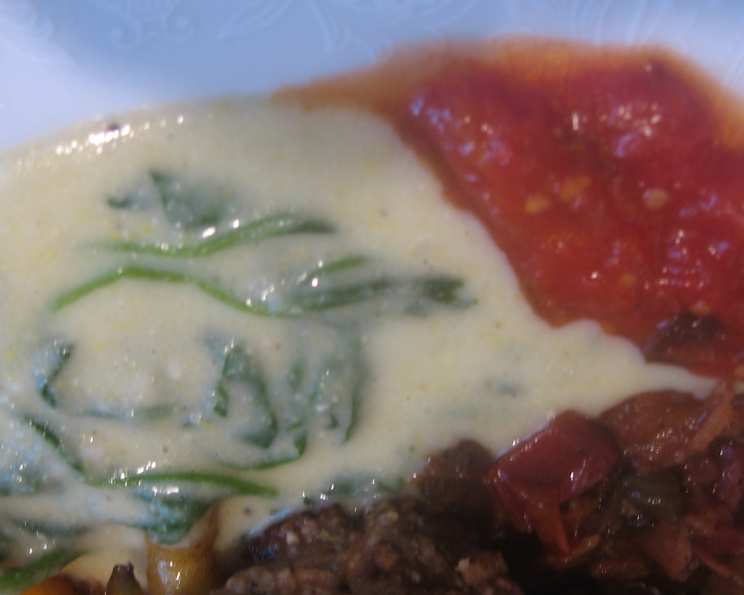
Spinach Polenta With Balsamic Tomatoes: A Taste of Italian Sunshine
The scent of balsamic vinegar, sweet tomatoes, and creamy polenta always brings me back to my little trattoria tucked away in the hills of Tuscany. It was a humble place, run by a family who poured their hearts into simple, honest food. I remember one particular evening, sitting on their vine-covered patio, savoring a steaming plate of polenta topped with sun-ripened tomatoes bursting with flavor. The polenta, subtly infused with spinach and parmesan, was the perfect canvas for the sweet and tangy tomatoes. This recipe captures that memory – a vibrant, comforting dish that’s both easy to make and deeply satisfying.
Recipe Overview
- Prep Time: 15 minutes
- Cook Time: 25 minutes
- Total Time: 40 minutes
- Servings: 4
- Dietary Type: Vegetarian
Ingredients
- For the Balsamic Tomatoes:
- 4 vine-ripe medium-large tomatoes
- 2 tablespoons olive oil
- 3 tablespoons balsamic vinegar
- 3 tablespoons sugar
- 3 tablespoons fresh oregano leaves
- For the Polenta:
- 2 cups hot water
- 2 cups milk (2% fat or higher)
- 1 cup polenta
- 1/2 cup grated Parmesan cheese
- 12 ounces fresh baby spinach
- 2 ounces butter
- Salt and pepper to taste
Equipment Needed
- Oven
- Ovenproof ceramic dish (9×13 inch recommended)
- Small bowl
- Saucepan
- Whisk
- Spoon
Instructions
- Preheat your oven to 400 degrees Fahrenheit (200 degrees Celsius).
- Slice the tomatoes in half.
- Place the tomatoes, cut side down, in an ovenproof ceramic dish. Choose a dish size that fits the tomatoes snugly. A 9×13 inch dish works well for medium to large-sized tomatoes. If the pan is too big, the pan juices will evaporate too quickly, resulting in drier tomatoes.
- In a small bowl, combine the olive oil, balsamic vinegar, sugar, and oregano. Whisk together until well mixed.
- Pour the balsamic mixture evenly over the tomatoes.
- Bake for 20 minutes, or until the tomatoes are soft and slightly caramelized. While the tomatoes are baking, start preparing the polenta.
- In a saucepan, combine the water and milk over medium-high heat.
- Bring the mixture to a boil.
- Slowly whisk in the polenta, making sure to incorporate it evenly to prevent lumps from forming.
- Reduce the heat to low and cook the polenta, stirring constantly, for 3-5 minutes, or until it thickens and is cooked through. The polenta should be creamy and smooth.
- Stir in the grated Parmesan cheese, fresh spinach, and butter. Continue stirring until the spinach wilts and the butter is melted and fully incorporated.
- Remove the polenta from the heat.
- Taste the polenta and season with salt and pepper to taste. Adjust the seasoning as needed.
- To serve, spoon the polenta onto individual plates.
- Place the balsamic tomatoes directly next to (touching) the polenta.
- Drizzle the pan juices from the baked tomatoes over the top of the tomatoes and polenta.
- Finish with extra grated Parmesan cheese sprinkled over the polenta for added flavor and texture.
Expert Tips & Tricks
- Toast the Polenta: For a nuttier flavor, lightly toast the dry polenta in a dry skillet over medium heat for a few minutes before cooking it. Watch carefully to avoid burning.
- Infuse the Milk: Before bringing the milk to a boil, steep it with a clove of garlic or a sprig of rosemary for extra flavor. Remember to remove the garlic or rosemary before adding the polenta.
- Creamier Polenta: For an even richer and creamier polenta, stir in a tablespoon or two of mascarpone cheese at the end, along with the butter.
- Don’t Overbake the Tomatoes: Keep an eye on the tomatoes while they’re baking. You want them to be soft and slightly caramelized, but not completely collapsed.
- Fresh Herbs: Using fresh oregano is key to the flavor of the balsamic tomatoes. If you can’t find fresh oregano, you can substitute dried oregano, but use only 1 tablespoon, as dried herbs have a more concentrated flavor.
Serving & Storage Suggestions
This spinach polenta with balsamic tomatoes is delicious served as a main course or as a flavorful side dish. For a heartier meal, consider adding grilled chicken, sausage, or shrimp. A simple green salad pairs perfectly with this dish.
Leftover polenta can be stored in an airtight container in the refrigerator for up to 3 days. To reheat, add a splash of milk or water and microwave in 30-second intervals, stirring in between, until heated through. The tomatoes are best eaten fresh, but can also be stored in the refrigerator for up to 2 days. Reheat gently in a skillet before serving. The polenta can be made ahead of time and reheated when needed; just add a bit of liquid while reheating to restore the creamy texture.
Nutritional Information
| Nutrient | Amount per Serving | % Daily Value |
|---|---|---|
| Calories | 484 kcal | 24% |
| Total Fat | 28g | 43% |
| Saturated Fat | 13g | 65% |
| Cholesterol | 59mg | 19% |
| Sodium | 419mg | 18% |
| Total Carbohydrate | 48g | 16% |
| Dietary Fiber | 6g | 24% |
| Sugars | 13g | – |
| Protein | 15g | 30% |
Note: Nutritional information is an estimate and can vary based on specific ingredients and portion sizes.
Variations & Substitutions
- Vegan Polenta: Omit the Parmesan cheese and butter, and use plant-based milk (such as almond, soy, or oat milk) instead of dairy milk. Add a tablespoon of nutritional yeast for a cheesy flavor. Use olive oil in place of butter.
- Gluten-Free: This recipe is naturally gluten-free, as polenta is made from cornmeal.
- Different Vegetables: Experiment with other vegetables in the polenta, such as roasted butternut squash, sautéed mushrooms, or grilled zucchini.
- Spicy Tomatoes: Add a pinch of red pepper flakes to the balsamic tomato mixture for a touch of heat.
- Cheese Variations: Substitute the Parmesan cheese with Pecorino Romano, Asiago, or Fontina for different flavor profiles.
FAQs (Frequently Asked Questions)
Q: Can I use quick-cooking polenta for this recipe?
A: While you can use quick-cooking polenta, the texture will be slightly different. Regular polenta provides a creamier and more authentic result. Adjust cooking time according to package directions if using quick-cooking polenta.
Q: How do I prevent the polenta from sticking to the bottom of the saucepan?
A: Stir the polenta constantly while it’s cooking, especially as it thickens. Using a heavy-bottomed saucepan can also help to prevent sticking.
Q: Can I prepare the tomatoes ahead of time?
A: Yes, you can roast the tomatoes ahead of time and store them in the refrigerator. Reheat them gently before serving.
Q: What can I use instead of fresh oregano?
A: If you don’t have fresh oregano, you can use dried oregano. Use 1 tablespoon of dried oregano for every 3 tablespoons of fresh oregano.
Q: Is it important to use full-fat milk?
A: Using milk with a higher fat content will result in a creamier polenta. However, you can use lower-fat milk if you prefer, but the texture may be slightly less rich.
Final Thoughts
This spinach polenta with balsamic tomatoes is more than just a recipe; it’s an invitation to create a moment of culinary joy. The combination of creamy polenta, sweet and tangy tomatoes, and fragrant herbs is a symphony of flavors that will transport you to the Italian countryside. I encourage you to try this recipe, experiment with variations, and share your feedback. Pair it with a glass of crisp white wine for a truly memorable meal. Buon appetito!