
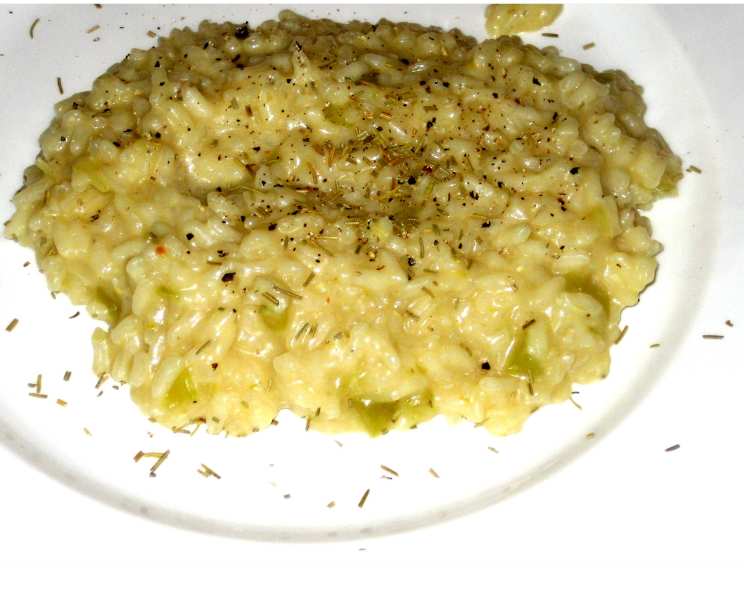
Spring Risotto With Shallots and Lemon: A Culinary Awakening
The first time I tasted a truly exceptional risotto, it was spring. I was a young cook, overwhelmed by the fragrant aromas swirling from the kitchen of a small trattoria in Tuscany. The dish, adorned with bright green asparagus and a vibrant lemon zest, tasted like sunshine and renewal – a flavor memory that still transports me back to that sun-drenched terrace, a glass of crisp white wine in hand, and the promise of a long, delicious season ahead. This recipe aims to capture that same essence of spring, a symphony of flavors that will awaken your palate and brighten your table.
Recipe Overview
- Prep Time: 15 minutes
- Cook Time: 30 minutes
- Total Time: 45 minutes
- Servings: 4
- Dietary Type: Vegetarian
Ingredients
- 2 tablespoons butter
- 3 shallots
- 2 celery sticks
- 1 tablespoon extra virgin olive oil
- 2 cups arborio rice
- 1 1⁄2 – 2 liters vegetable stock
- 1 lemon, zest of
- 1⁄4 cup lemon juice, freshly squeezed
- 1 teaspoon dried rosemary
- 6 tablespoons Parmesan cheese, freshly grated
- 1⁄3 cup heavy cream
- 2 tablespoons butter
- Salt and pepper to taste
Equipment Needed
- Large skillet
- Small bowl
- Cutting board
- Sharp knife
- Ladle
Instructions
-
Begin by preparing your vegetables. Chop the shallots and celery finely. This ensures they cook evenly and meld beautifully into the risotto.
-
In a small bowl, combine the freshly squeezed lemon juice, heavy cream, and freshly grated Parmesan cheese. Set aside. This mixture will be stirred in at the end to create a luscious, creamy finish.
-
In a large skillet or wide-bottomed pan, heat the olive oil and 2 tablespoons of butter over medium heat. Allow the butter to melt completely and shimmer before adding the vegetables.
-
Add the finely chopped shallots and celery to the skillet. Cook them, stirring occasionally, until they are softened and translucent, about 5-7 minutes. This step is crucial for building the flavor base of the risotto. Be careful not to brown the shallots.
-
Add the arborio rice to the skillet. Stir continuously to coat the rice grains evenly with the oil and butter mixture. This step, known as toasting the rice, helps to prevent sticking and contributes to the creamy texture of the final dish. Cook for about 2-3 minutes, until the edges of the rice become slightly translucent.
-
Now, the key to a perfect risotto lies in the gradual addition of stock. Pour 1 cup of warm vegetable stock into the pan. Stir constantly until the rice has completely absorbed the liquid. The rice should be simmering gently, not boiling vigorously.
-
Continue to add the stock, one cup at a time, stirring continuously and allowing each addition to be fully absorbed before adding the next. This process will take approximately 20-25 minutes. The constant stirring helps to release the starches in the rice, creating the signature creamy texture of risotto.
-
As you stir, monitor the rice for doneness. The risotto is ready when the rice is creamy and tender, but still has a slight bite to it – al dente, as the Italians say. You may not need to use all of the stock.
-
Once the rice is cooked to perfection, add the lemon zest and dried rosemary to the risotto. Stir to incorporate the flavors. The lemon zest adds a bright, aromatic note, while the rosemary provides a subtle herbal undertone.
-
Remove the skillet from the heat. Immediately stir in the reserved bowl of cream, lemon juice, and Parmesan cheese mixture. This will create a rich, velvety sauce that coats the rice beautifully.
-
Finally, add the remaining 2 tablespoons of butter, a generous pinch of salt, and freshly ground pepper to taste. Stir vigorously to emulsify the butter and seasonings into the risotto. The butter adds richness and shine, while the salt and pepper enhance the other flavors.
-
Serve the risotto immediately, while it is still warm and creamy.
Expert Tips & Tricks
- Warm the stock: Keeping your vegetable stock warm in a separate saucepan is crucial. Adding cold stock will lower the temperature of the rice and slow down the cooking process.
- Use quality ingredients: The flavor of the risotto will only be as good as the ingredients you use. Opt for high-quality arborio rice, fresh lemons, and freshly grated Parmesan cheese.
- Don’t be afraid to experiment: While this recipe calls for dried rosemary, feel free to experiment with other herbs, such as thyme or parsley.
- Make it vegan: Substitute the butter with olive oil and the Parmesan cheese and heavy cream with nutritional yeast and a plant-based cream alternative.
Serving & Storage Suggestions
Serve the risotto hot, garnished with a sprig of fresh rosemary or a sprinkle of extra Parmesan cheese. It is best enjoyed immediately, as the texture can change upon cooling.
Leftover risotto can be stored in an airtight container in the refrigerator for up to 2 days. To reheat, add a splash of stock or water to the risotto and heat gently in a saucepan over low heat, stirring frequently, until heated through. You can also reheat it in the microwave, but be careful not to overcook it.
Nutritional Information
| Nutrient | Amount per Serving | % Daily Value |
|---|---|---|
| Calories | 608.7 kcal | N/A |
| Calories from Fat | 224 g | 37% |
| Total Fat | 25 g | 38% |
| Saturated Fat | 13.8 g | 68% |
| Cholesterol | 64.3 mg | 21% |
| Sodium | 223.2 mg | 9% |
| Total Carbohydrate | 84.6 g | 28% |
| Dietary Fiber | 3.3 g | 13% |
| Sugars | 0.8 g | 3% |
| Protein | 10.5 g | 21% |
Variations & Substitutions
- Asparagus and Pea Risotto: Add blanched asparagus tips and fresh or frozen peas during the last few minutes of cooking for a vibrant green twist.
- Mushroom Risotto: Sauté sliced mushrooms (such as cremini or shiitake) with the shallots and celery for a savory, earthy flavor.
- Shrimp Risotto: Add cooked shrimp during the last few minutes of cooking for a delicious seafood option.
- Vegan Risotto: Substitute the butter with olive oil, the Parmesan cheese with nutritional yeast, and the heavy cream with a plant-based cream alternative like cashew cream or coconut cream.
FAQs (Frequently Asked Questions)
Q: What is arborio rice, and why is it used for risotto?
A: Arborio rice is a short-grain Italian rice variety that is high in starch. This starch is released during cooking, creating the creamy texture characteristic of risotto.
Q: Can I use a different type of rice?
A: While arborio rice is traditionally used, you can use other short-grain rice varieties like carnaroli or vialone nano. Avoid using long-grain rice, as it will not produce the same creamy texture.
Q: How do I know when the risotto is done?
A: The risotto is done when the rice is creamy and tender, but still has a slight bite to it (al dente). The liquid should be mostly absorbed, and the risotto should have a slightly loose consistency.
Q: Can I make risotto ahead of time?
A: Risotto is best enjoyed immediately after cooking, as the texture can change upon cooling. However, you can prepare the ingredients in advance by chopping the vegetables and measuring out the stock.
Q: Why is it important to stir the risotto constantly?
A: Stirring releases the starch from the rice, creating the creamy texture. It also prevents the rice from sticking to the bottom of the pan.
Final Thoughts
This Spring Risotto with Shallots and Lemon is more than just a recipe; it’s an invitation to embrace the flavors of the season. The bright lemon, the subtle herbs, and the creamy rice come together in a harmonious blend that will delight your senses. Don’t be afraid to experiment with different variations and make it your own. Share your creations with friends and family, and let this dish be a celebration of good food and good company. Pair this delightful risotto with a chilled glass of Pinot Grigio for the ultimate spring dining experience.