
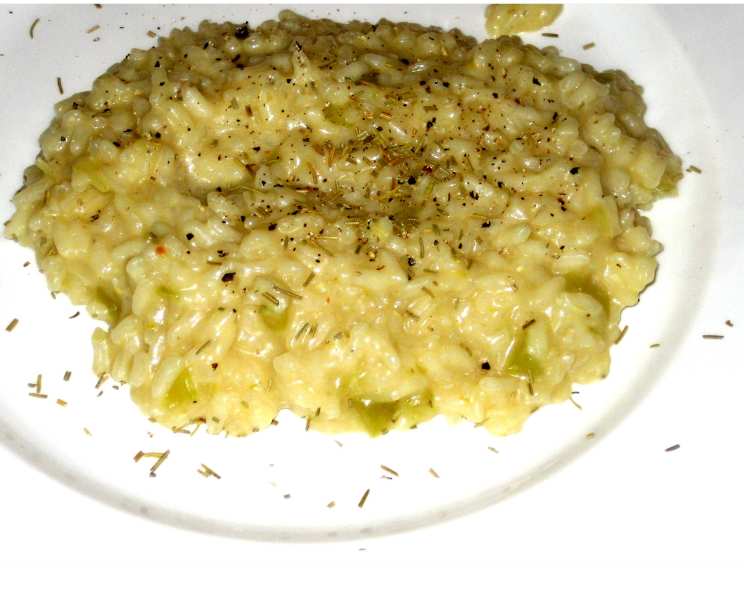
Spring Risotto With Shallots and Lemon: A Taste of Sunshine
I’ll never forget the first time I tasted a truly perfect risotto. It was spring in Tuscany, and I was fortunate enough to be learning from a Nonna who seemed to infuse every dish with sunshine and love. The simplicity of the ingredients, the painstaking stirring, the moment when the rice surrendered and became creamy perfection—it was a revelation. This Spring Risotto with Shallots and Lemon captures that same essence, a vibrant melody of flavors that will transport you to a sun-drenched Italian hillside.
Recipe Overview
- Prep Time: 15 minutes
- Cook Time: 30 minutes
- Total Time: 45 minutes
- Servings: 4
- Dietary Type: Vegetarian
Ingredients
- 2 tablespoons butter
- 3 shallots, finely chopped
- 2 celery stalks, finely chopped
- 1 tablespoon extra virgin olive oil
- 2 cups Arborio rice
- 1 1/2 – 2 liters vegetable stock
- 1 lemon, zest of
- 1/4 cup freshly squeezed lemon juice
- 1 teaspoon dried rosemary
- 6 tablespoons freshly grated Parmesan cheese
- 1/3 cup heavy cream
- 2 tablespoons butter
- Salt and pepper to taste
Equipment Needed
- Large skillet or Dutch oven
- Small bowl
- Measuring cups and spoons
- Zester
- Juicer
Instructions
-
Begin by preparing your vegetables. Finely chop the shallots and celery. Mince them uniformly to ensure even cooking.
-
In a small bowl, whisk together the freshly squeezed lemon juice, heavy cream, and Parmesan cheese. Set this mixture aside; it will be added at the very end to create the perfect creamy texture.
-
Heat the olive oil and 2 tablespoons of butter in a large skillet or Dutch oven over medium heat. Once the butter is melted and shimmering, add the chopped shallots and celery. Cook them until softened and translucent, about 5-7 minutes. Be careful not to brown them; you want them to be sweet and fragrant, not bitter.
-
Add the Arborio rice to the skillet and stir constantly for about 2 minutes, coating each grain with the oil and butter mixture. This toasting process is crucial as it helps the rice release its starch slowly, contributing to the creamy texture of the finished risotto.
-
Now, the patient process of adding the vegetable stock begins. Pour 1 cup of warm vegetable stock into the pan and stir continuously until the liquid is completely absorbed by the rice. The rice should be simmering gently, not boiling vigorously.
-
Continue adding the stock, 1 cup at a time, stirring constantly and allowing each addition to be fully absorbed before adding the next. This process will take approximately 20-25 minutes. Keep a close eye on the rice; it should remain submerged in a small amount of liquid throughout the cooking process. Taste the rice occasionally to check for doneness. You’re aiming for a creamy, al dente texture—tender but with a slight bite in the center of each grain. If you run out of stock, just add hot water, but stock is preferable.
-
Once the risotto is creamy and the rice is cooked to al dente, stir in the lemon zest and dried rosemary. The lemon zest will add a bright, aromatic note, while the rosemary provides a subtle earthy counterpoint.
-
Remove the skillet from the heat and stir in the reserved bowl of cream, lemon juice, and Parmesan cheese. This will enrich the risotto and create a luxurious, velvety texture.
-
Finish by stirring in the remaining 2 tablespoons of butter, a generous pinch of salt, and freshly ground black pepper to taste. The butter will add richness and shine, while the salt and pepper will enhance the other flavors.
-
Serve immediately. Risotto is best enjoyed hot, straight from the pan.
Expert Tips & Tricks
- Warm Stock is Key: Always use warm vegetable stock. Cold stock will lower the temperature of the rice and disrupt the cooking process.
- Stir Constantly (Almost): Continuous stirring is essential for releasing the starch from the Arborio rice and creating a creamy texture. However, don’t over-stir; gentle, consistent stirring is all that’s needed.
- The Perfect Doneness: The rice should be al dente, meaning “to the tooth” in Italian. It should be tender but still have a slight bite in the center.
- Make it Vegetarian or Vegan: Substitute the Parmesan cheese with nutritional yeast and the heavy cream with cashew cream or coconut cream.
- Adjust the Lemon: If you like a more pronounced lemon flavor, add a bit more zest or juice to taste.
Serving & Storage Suggestions
Serve this Spring Risotto immediately, garnished with a sprinkle of fresh Parmesan cheese (if not making a vegetarian version) and a sprig of fresh rosemary. It pairs beautifully with grilled asparagus, pan-seared scallops, or a simple green salad.
Leftover risotto can be stored in an airtight container in the refrigerator for up to 2 days. Reheat it gently in a saucepan over low heat, adding a splash of vegetable stock or water to loosen it up. Note that the texture will change slightly upon reheating; it may not be as creamy as it was when freshly made. Freezing is not recommended, as it can drastically alter the texture of the rice.
Nutritional Information
| Nutrient | Amount per Serving | % Daily Value |
|---|---|---|
| Calories | 608.7 kcal | N/A |
| Calories from Fat | 224 g | 37% |
| Total Fat | 25 g | 38% |
| Saturated Fat | 13.8 g | 68% |
| Cholesterol | 64.3 mg | 21% |
| Sodium | 223.2 mg | 9% |
| Total Carbohydrate | 84.6 g | 28% |
| Dietary Fiber | 3.3 g | 13% |
| Sugars | 0.8 g | 3% |
| Protein | 10.5 g | 21% |
Variations & Substitutions
- Asparagus and Pea Risotto: Add blanched asparagus tips and fresh or frozen peas to the risotto during the last few minutes of cooking.
- Mushroom Risotto: Sauté sliced mushrooms (such as cremini, shiitake, or oyster mushrooms) with the shallots and celery.
- Shrimp Risotto: Add cooked shrimp to the risotto during the last few minutes of cooking.
- Saffron Risotto: Infuse the vegetable stock with saffron threads for a luxurious and flavorful twist.
- Vegetarian/Vegan: Use vegan Parmesan cheese, and substitute the cream with coconut or cashew cream. You can also substitute the butter with olive oil.
FAQs (Frequently Asked Questions)
Q: What kind of rice should I use for risotto?
A: Arborio rice is the most commonly used type for risotto because it has a high starch content, which contributes to the creamy texture. Carnaroli rice is another excellent choice, though it can be harder to find.
Q: Can I use chicken stock instead of vegetable stock?
A: Yes, you can substitute chicken stock for vegetable stock if you prefer, but the flavor will be slightly different. For a truly vegetarian dish, stick with vegetable stock.
Q: How do I know when the risotto is done?
A: The risotto is done when the rice is cooked to al dente – tender but with a slight bite in the center. The texture should be creamy and slightly loose, not dry or sticky.
Q: Can I make risotto ahead of time?
A: While risotto is best enjoyed fresh, you can partially cook it ahead of time. Cook the risotto until it is almost done (about 5 minutes before it reaches the desired consistency), then spread it out on a baking sheet to cool quickly. Store it in the refrigerator and finish cooking it just before serving, adding a bit more stock to bring it back to the right consistency.
Q: What can I do if my risotto is too thick?
A: If your risotto is too thick, simply add a little more warm vegetable stock or water until it reaches the desired consistency. Stir well to incorporate the liquid.
Final Thoughts
This Spring Risotto with Shallots and Lemon is more than just a recipe; it’s an invitation to slow down, savor the moment, and experience the joy of creating something truly delicious. Don’t be intimidated by the process—with a little patience and attention, you’ll be rewarded with a creamy, flavorful dish that’s perfect for any occasion. So gather your ingredients, put on some music, and let the aroma of shallots and lemon fill your kitchen. Share your creations, and feel free to experiment with different seasonal vegetables and herbs. Buon appetito!